The Romania Nobody Talks About
Story by Michael Chinnici
I’ve been to Romania several times now, and I still struggle to explain it to people who haven’t been. Not because it’s complicated, but because the things that make it extraordinary are the things that are hardest to put into words — the pace of it, the quiet dignity of the people, the feeling that you’ve slipped through a seam in time and landed somewhere that the rest of the world hasn’t quite caught up to yet.
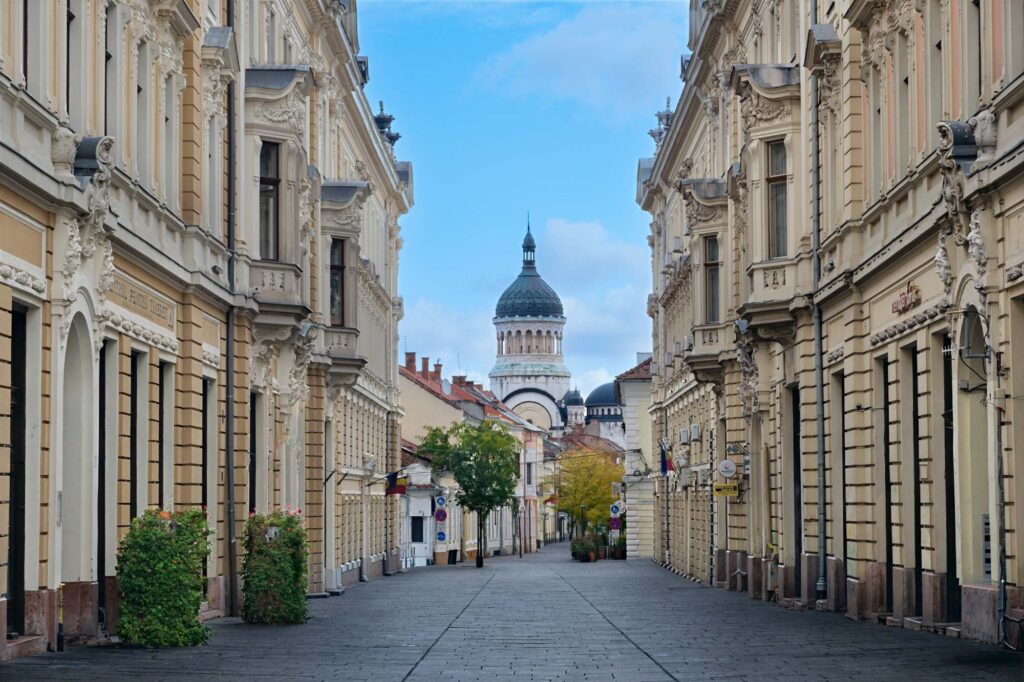
I like to begin in Cluj-Napoca, Romania’s second city, tucked into the heart of Transylvania. It’s a beautiful place to start — young and lively, with Gothic spires rising above Unirii Square and café tables spilling out onto cobblestones where students and locals share the morning light. I love photographing here. The architecture is layered and generous, and the people carry themselves with the easy confidence of a city that knows what it is. Cluj also pulls me in another way. On the edges of the city live Roma communities whose lives tell a different and more complex story — one of resilience, hardship, and humanity that I find myself compelled to document. It’s not easy work, and it shouldn’t be. But it’s important, and Cluj is where that thread of the journey begins for me.
What I’ve come for beyond the city, though, is further north.
The drive toward Maramureș does something to you gradually. The city falls away, the hills get rounder and greener, and haystacks start appearing in the fields — hand-shaped, improbably perfect. Horse-drawn carts share the road. By the time the Iza River valley opens up around you, the calendar has lost a few decades and you’ve stopped caring exactly when you are.
One of the moments I keep coming back to happened in a small village off any road you’d find on a travel itinerary. A young woman in traditional dress met us at the door of a centuries-old wooden church. Her grandfather had been the priest there. She held the keys. She’d prepared a picnic — bread, cheese, cured meats, preserves she’d made herself — and we ate in the churchyard in the shadow of that soaring wooden spire, with no particular agenda and nowhere else to be. That’s Romania at its best. You can’t manufacture a moment like that. You earn it by showing up slowly and staying open.
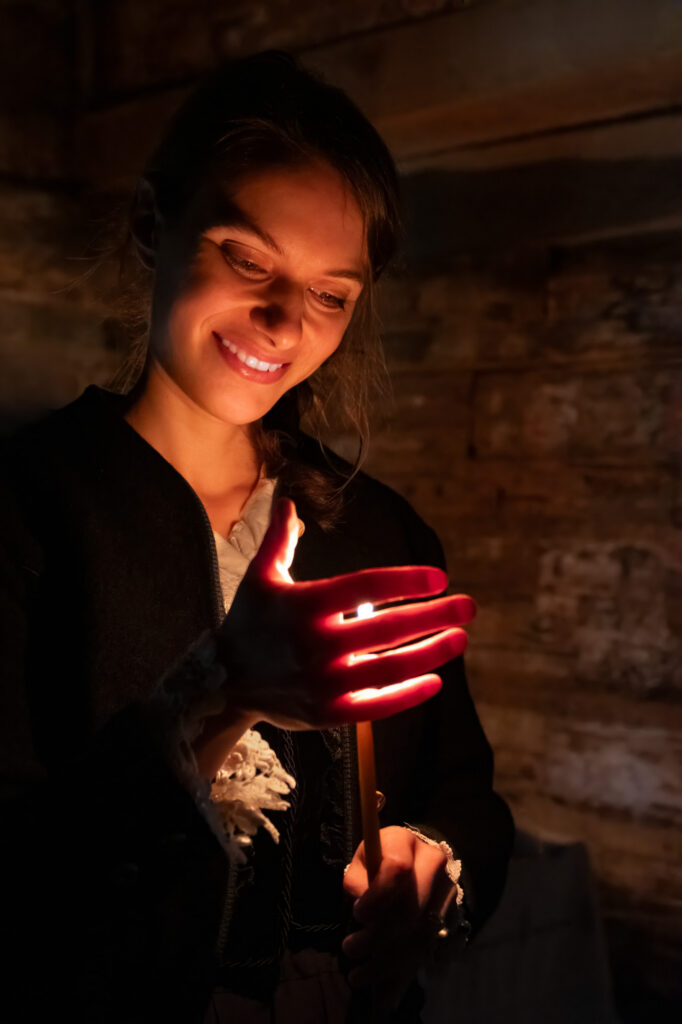
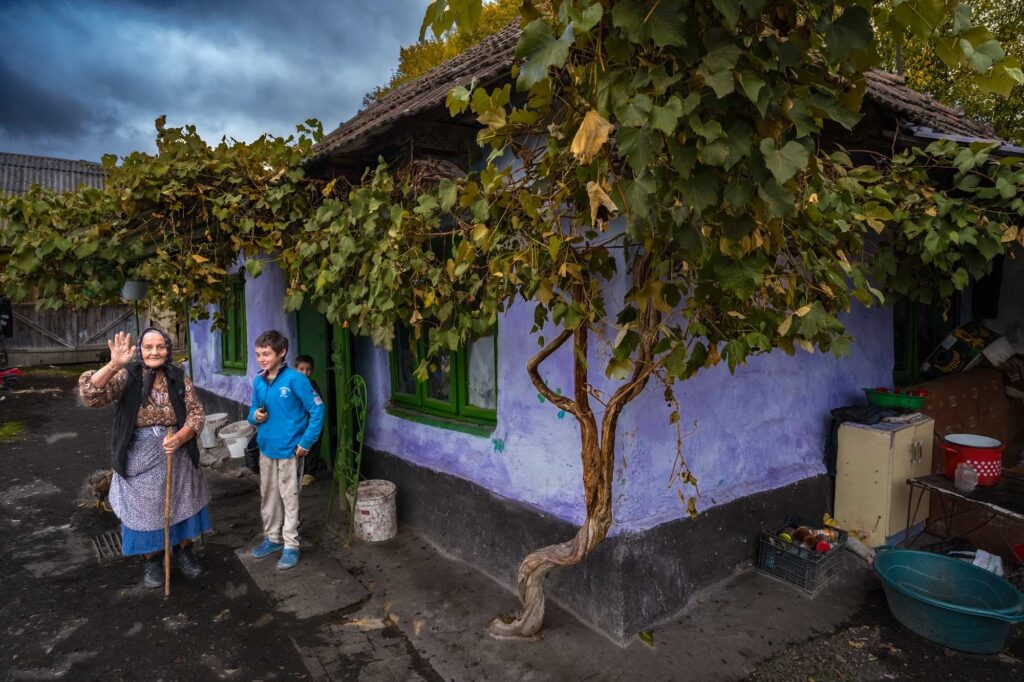
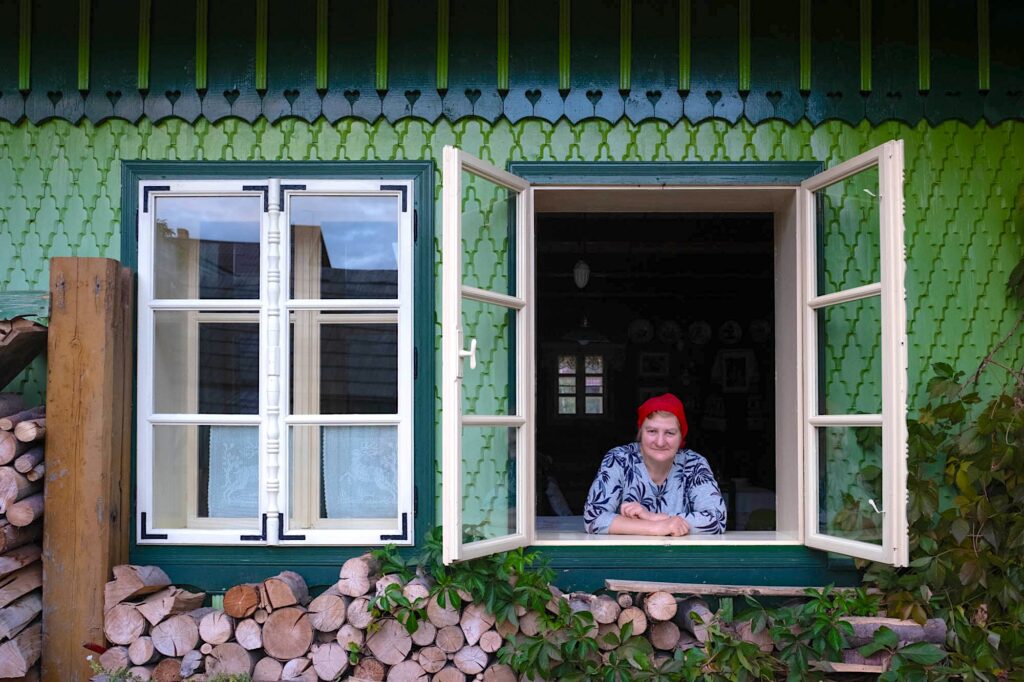
In Breb, I’ve walked the same dirt lanes multiple times and never had the same morning twice. There’s an elderly woman I photographed sweeping her yard in a heavy woolen skirt, pausing just long enough to smile before she went back to her work. A man carving wood in a doorway, hands moving with the kind of confidence you only get from doing something your whole life. Farmers moving between wooden barns and dew-soaked fields while sheep pass through with their bells going. What strikes me every time is that nobody is performing for the camera. Life is just happening, and if you’re patient and respectful, they let you in.
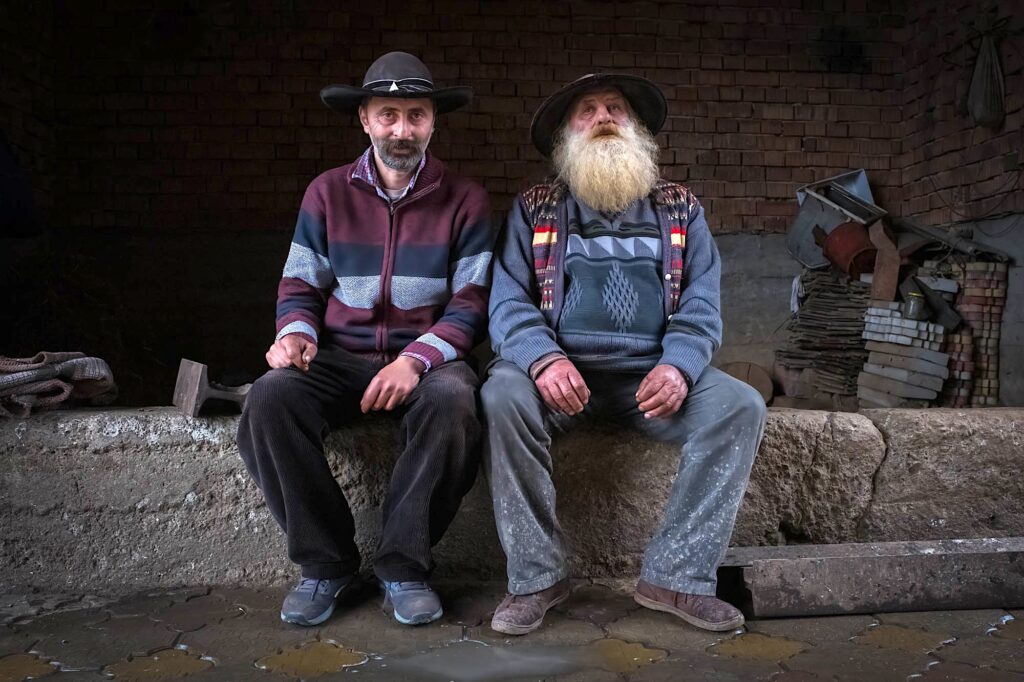
That’s the portrait work I love most — environmental portraits, not posed or arranged, but earned. A weaver in Botiza looking up from her loom, threads dyed with walnuts and onion skins and wild berries, laughing at something. A shepherd in Ieud glancing back over his shoulder as his flock moves across a hillside. An old man at the Slătioara Bridge market pressing a glass of țuică into my hand before I’d said a word. I drank it. You always drink it. These are the frames that stay with you.
The food in Maramureș is the same way — unpretentious and extraordinary. The region is famous for its cheeses, and rightfully so — rich, fresh, and nothing like what travels under that name elsewhere. Meals feel like something conjured from the garden and the cellar. Thick soups, polenta with sour cream, roasted meats tended to all afternoon. Homemade bread. Someone’s recipe, passed down, made without ceremony and eaten slowly. I’ve had meals in some of the world’s great restaurants, and I’m telling you — nothing touches a home-cooked dinner in a Maramureș farmhouse at the end of a long day of photographing.
The wooden churches here deserve everything that’s been written about them and more. UNESCO recognized them for good reason — they rise from village centers with a kind of quiet authority, their shingle roofs sweeping low, their painted interiors intimate rather than grand. But what moves me most is that they’re not museums. In Desești, in Ieud, in Poienile Izei, people still gather here on Sundays in embroidered dress. And then there’s Săpânța, where the Merry Cemetery stops you completely. Bright painted crosses, hand-carved portraits, verse epitaphs that laugh at death with a warmth and humor that shouldn’t work but absolutely does. I’ve stood in that cemetery more than once and felt something shift in me. It says everything about the Romanian spirit — resilient, warm, and utterly unafraid.
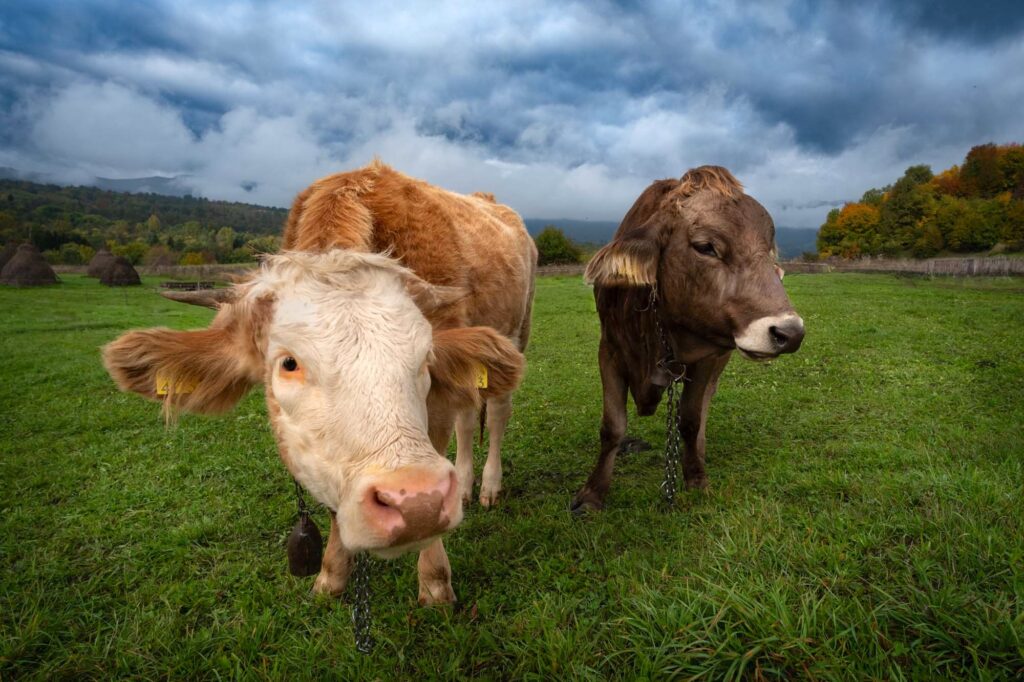
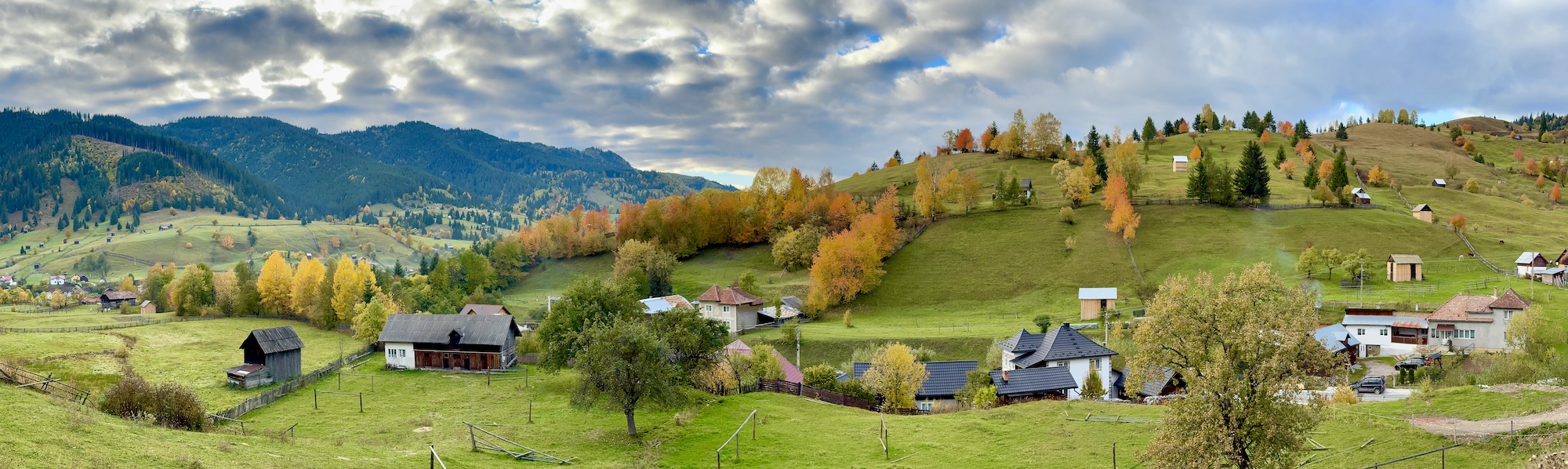
October is when I love this region most. The hills burn amber and copper, the morning fog catches the low sun and holds it, and the light at golden hour from the hills of Glod is the kind that makes you forget to check your settings. You just shoot. The landscape and the lifestyle exist in such complete harmony here that the line between the two disappears. A shepherd moving his flock at dusk is both a portrait and a landscape. A woman hanging laundry between wooden posts with the Carpathian foothills behind her is both a still life and a story.
Our journey always ends in Bucharest, and the contrast is real and welcome. Sophisticated and grand, with wide boulevards, the colossal Palace of the Parliament, and an Old Town alive with light and the full velocity of a capital city. After days of roosters and cowbells and long dinners by the fire, Bucharest feels like stepping back into the present tense. I love it for that. Romania is not one thing — it’s a country of genuine range — and Bucharest closes the story beautifully.