

Portrait, Cultural, and
Landscape Photography
February 7-16, 2027
February 6-15, 2028
Extension Available
• 10 or 13 Days
• Only 4-8 Guests
• Photographer | Guide
• Premium Hotels
• Breakfasts
• 4 Meals
• Local Guides
• Local Transportation
• 2 Domestic Flights


THE LOST TRIBES OF GUJARAT
Delhi, Ahmedabad, Jambughoda, Dasada, Bhuj, and more
RAJASTHAN
VARANASI
HOLI FESTIVAL
KERALA
BHUTAN
SRI LANKA
Meet the Lost Tribes of Gujarat, Where Tradition Lives On.
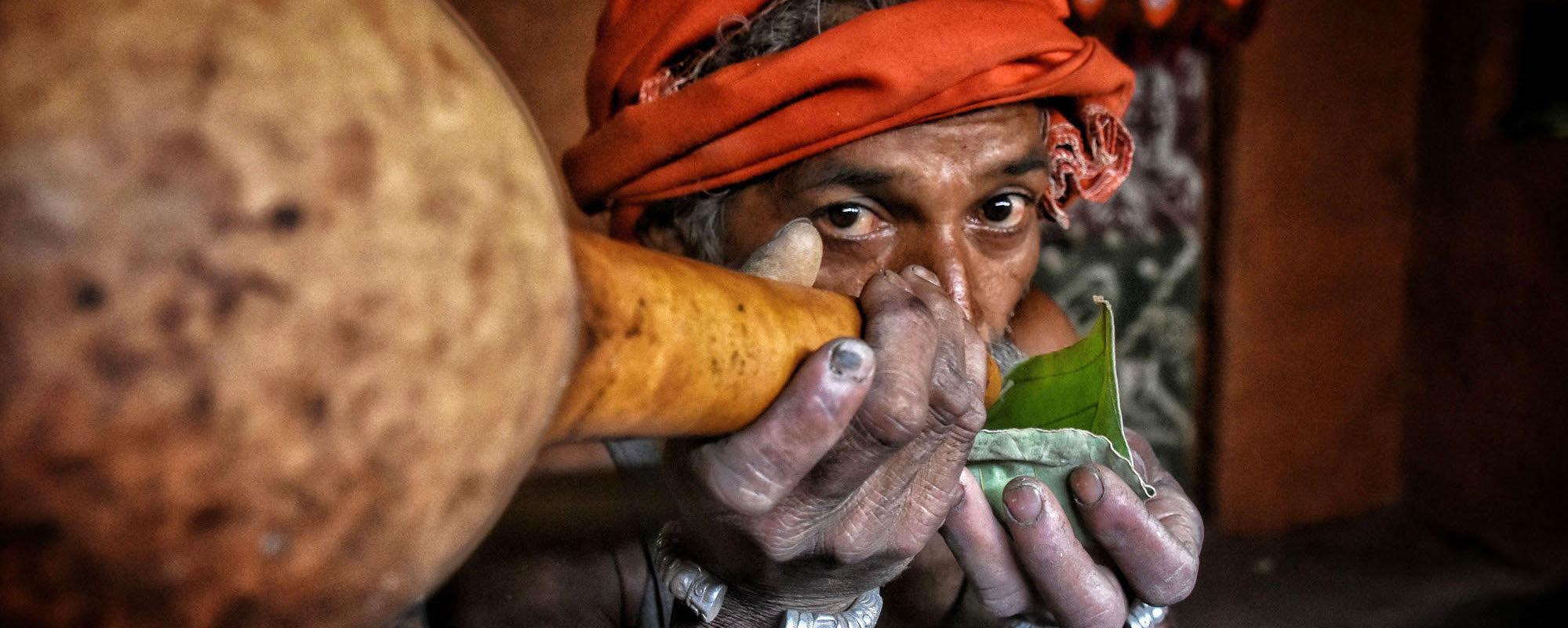
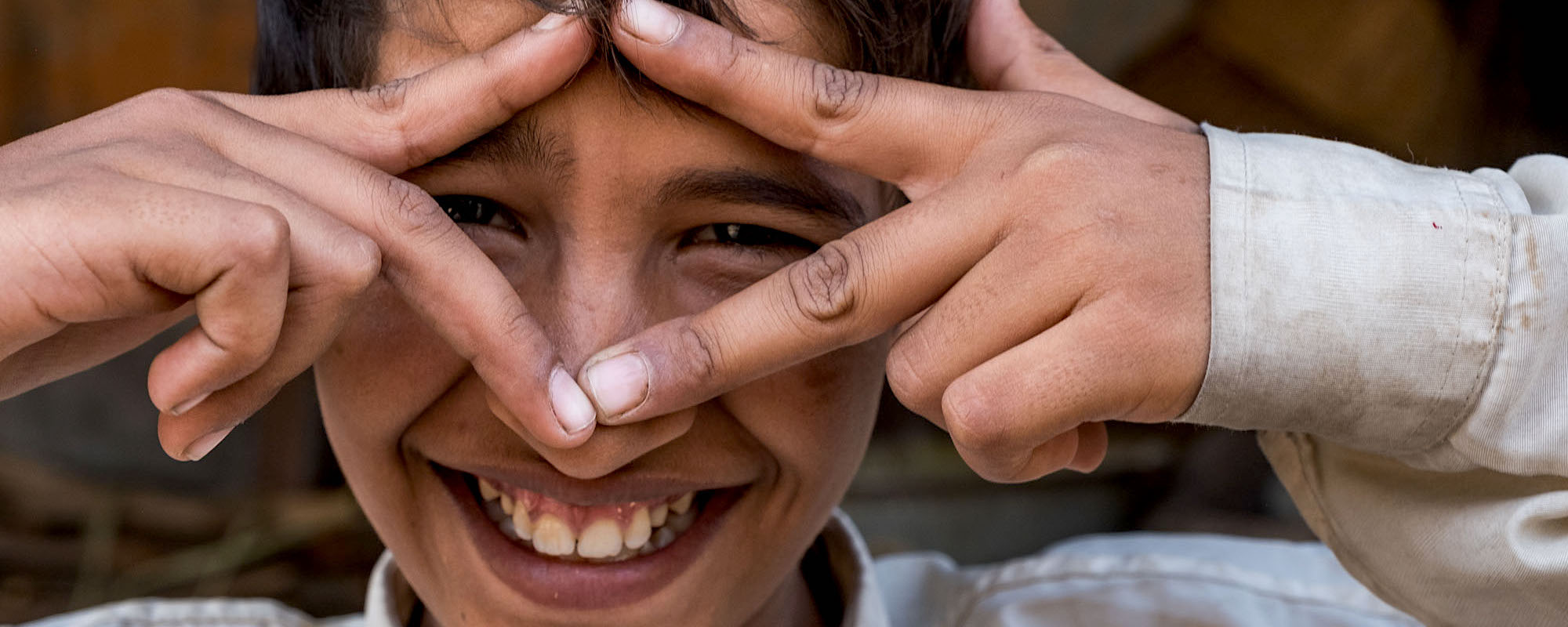
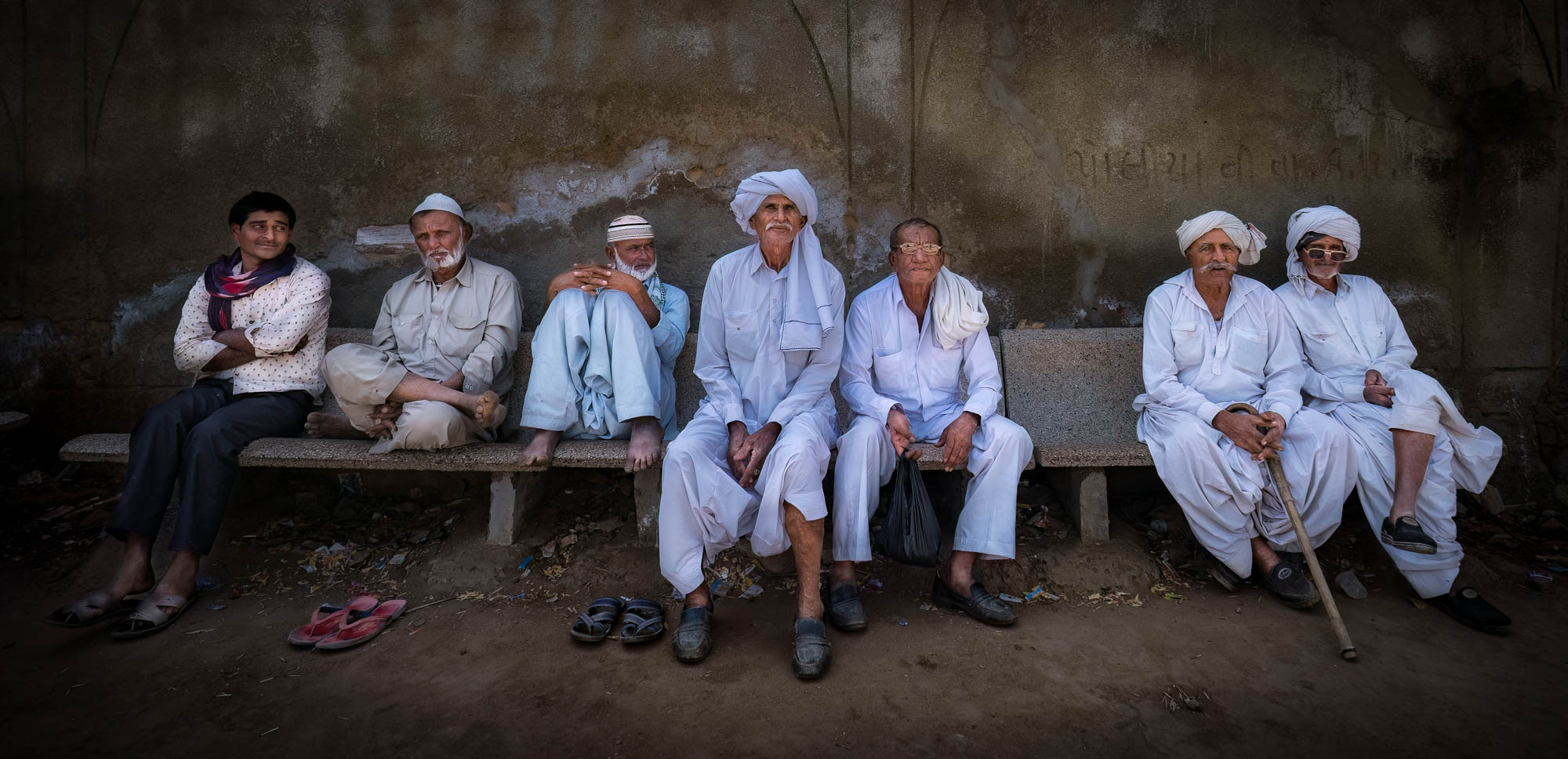
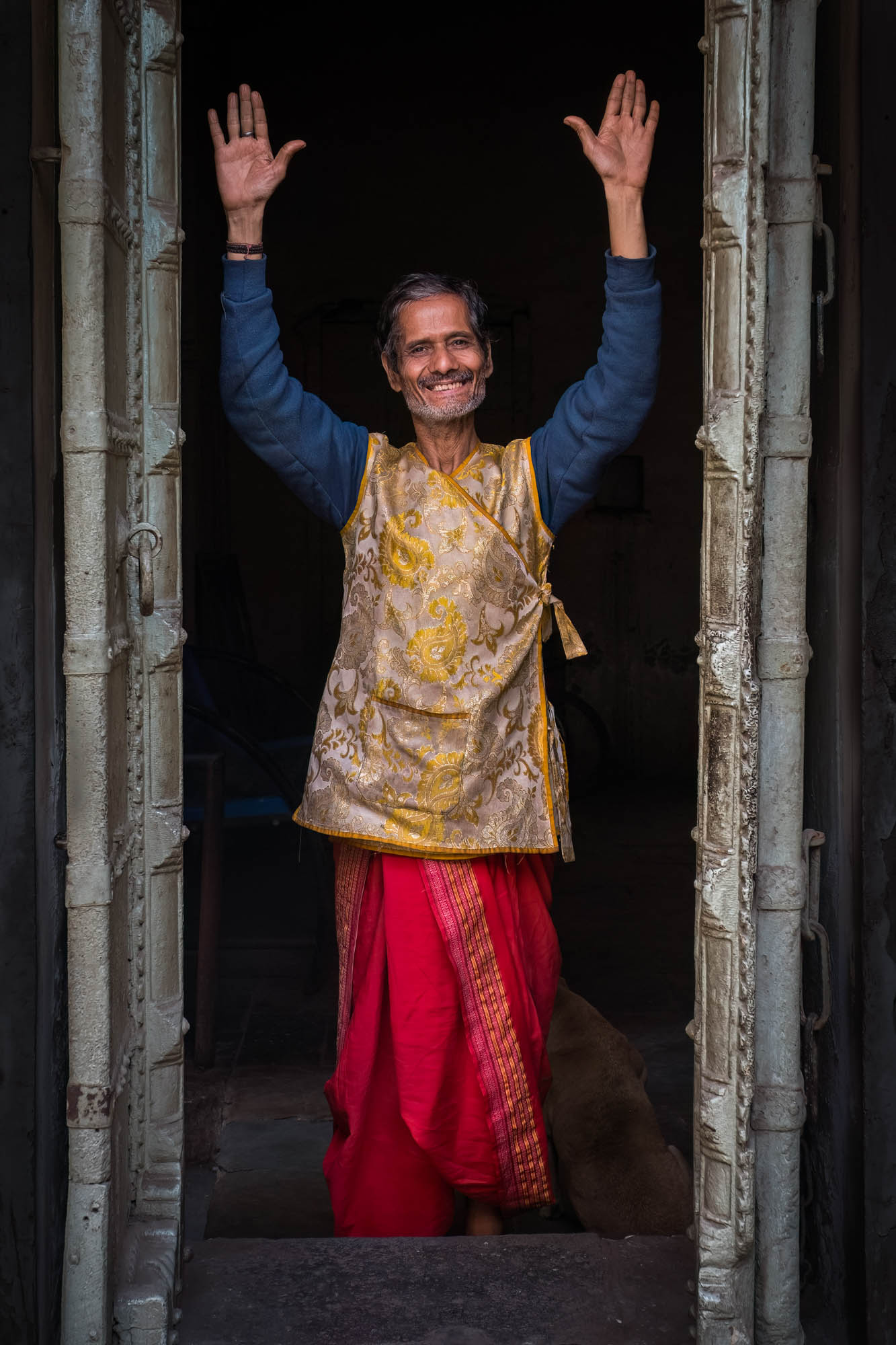
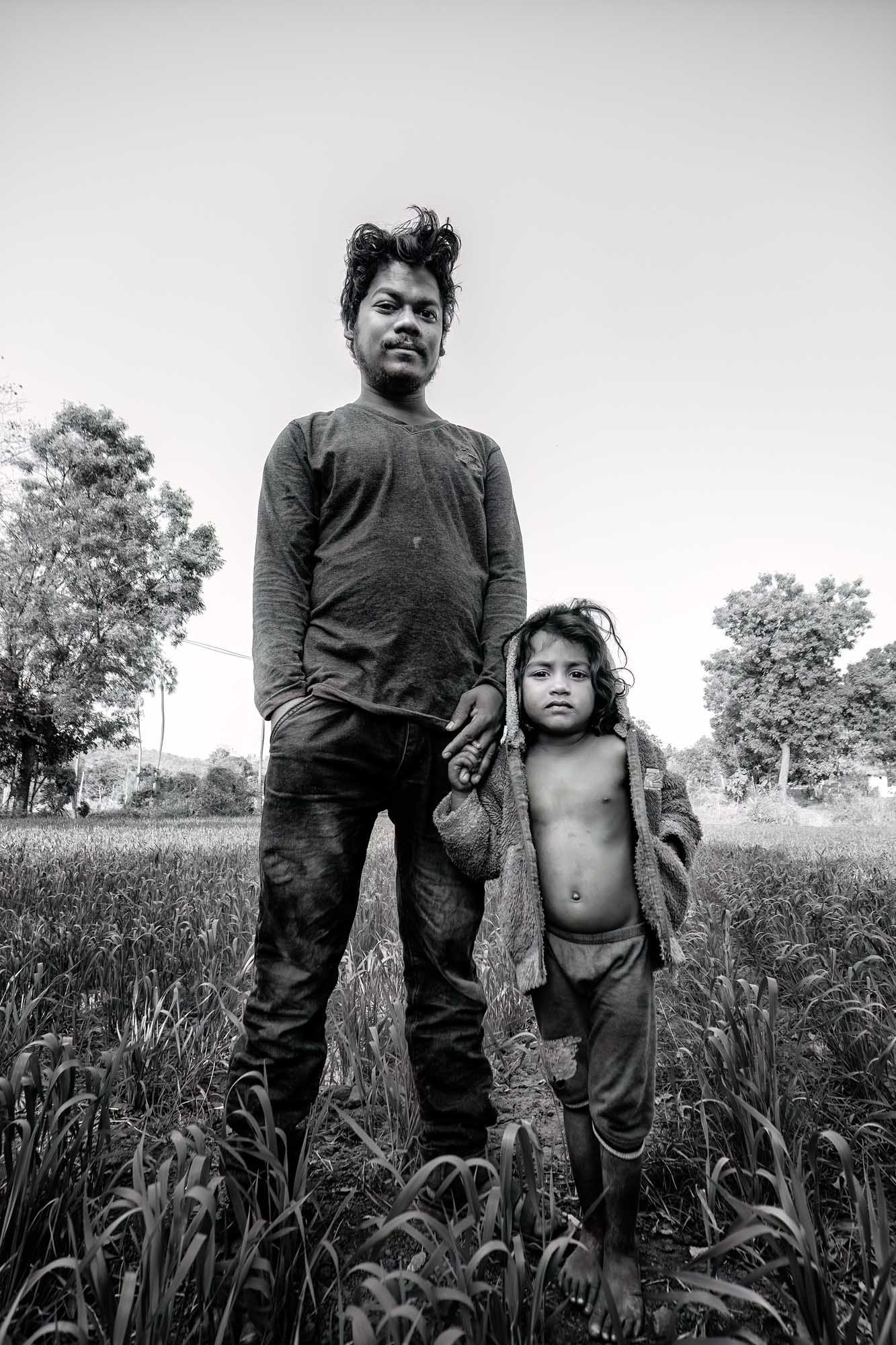
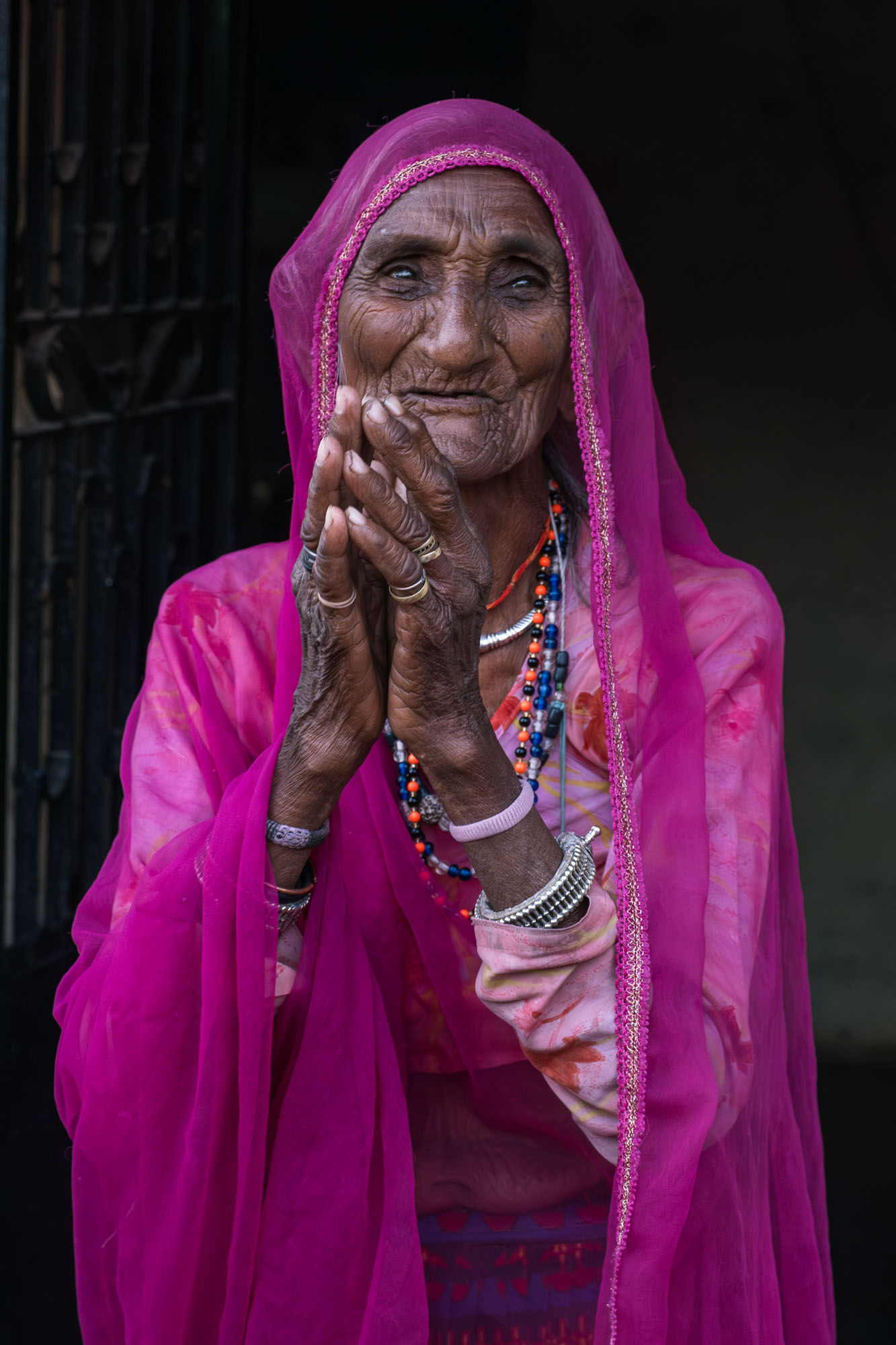
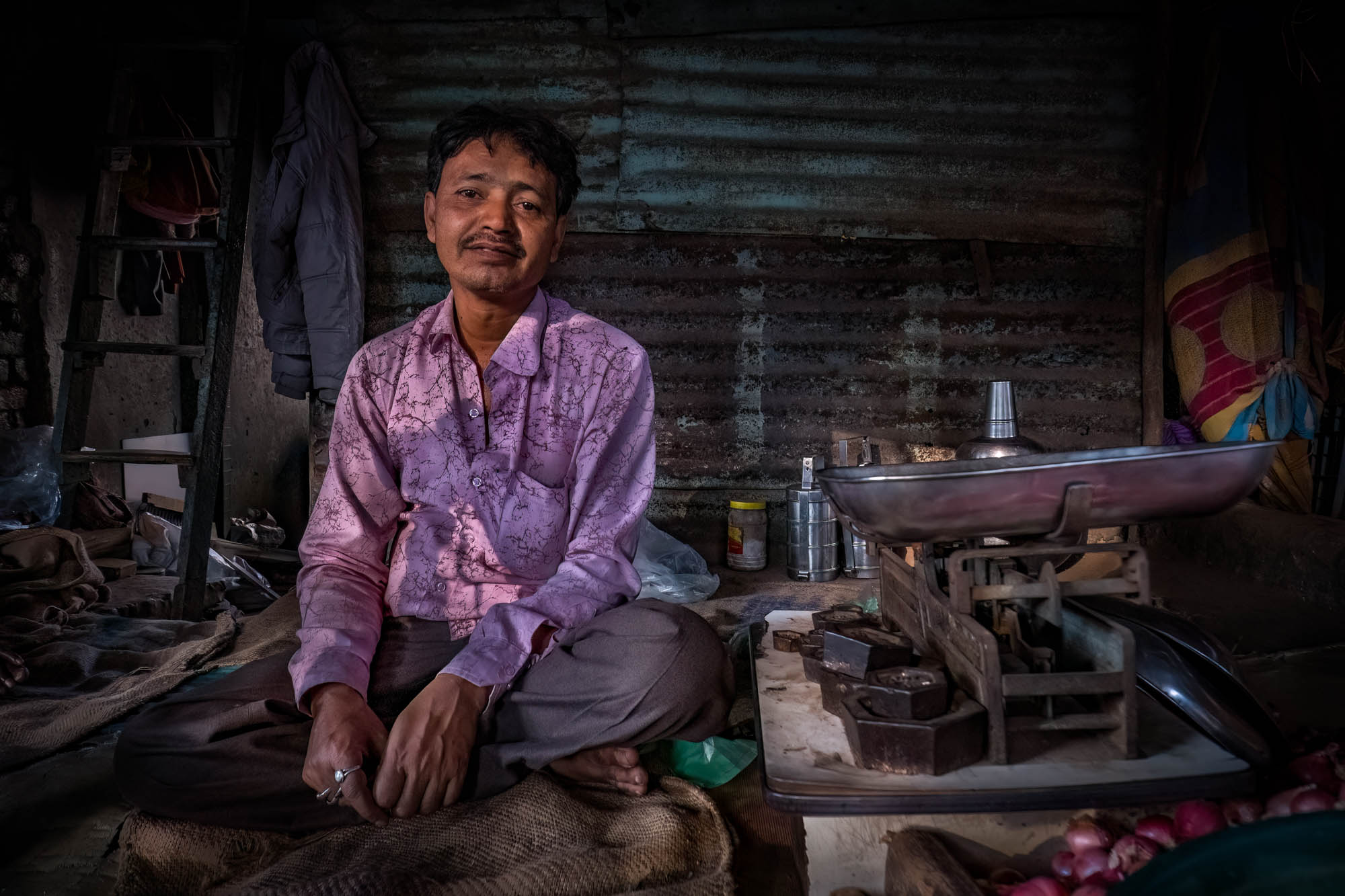
This 10-day India Photo Tour and Cultural Adventure will unveil the rural tribes, vanishing cultures, and secluded communities of Gujarat that have withstood the test of time. Across the length and breadth of this western Indian state, a world beyond the ordinary unfolds, where more than five million tribal people have created distinctive homes, traditions, and ways of life. This photographic journey will leave you with a visual travel diary documenting the many individuals you encounter, offering a rare glimpse into the diverse communities that form the intricate social fabric of India.
It is often said that “India lives in its villages,” and nowhere is this more evident than in Gujarat. As we journey through this fascinating region, we’ll gain rare insight into traditional ways of life that continue to thrive far from India’s bustling cities. In Jambughoda, we’ll enjoy a private tour, intimate dinner, and exclusive photo session with the royal family at the palace of this former princely state. In contrast, much of our adventure will be devoted to meeting and photographing the many tribes and communities scattered across Gujarat’s diverse landscapes.
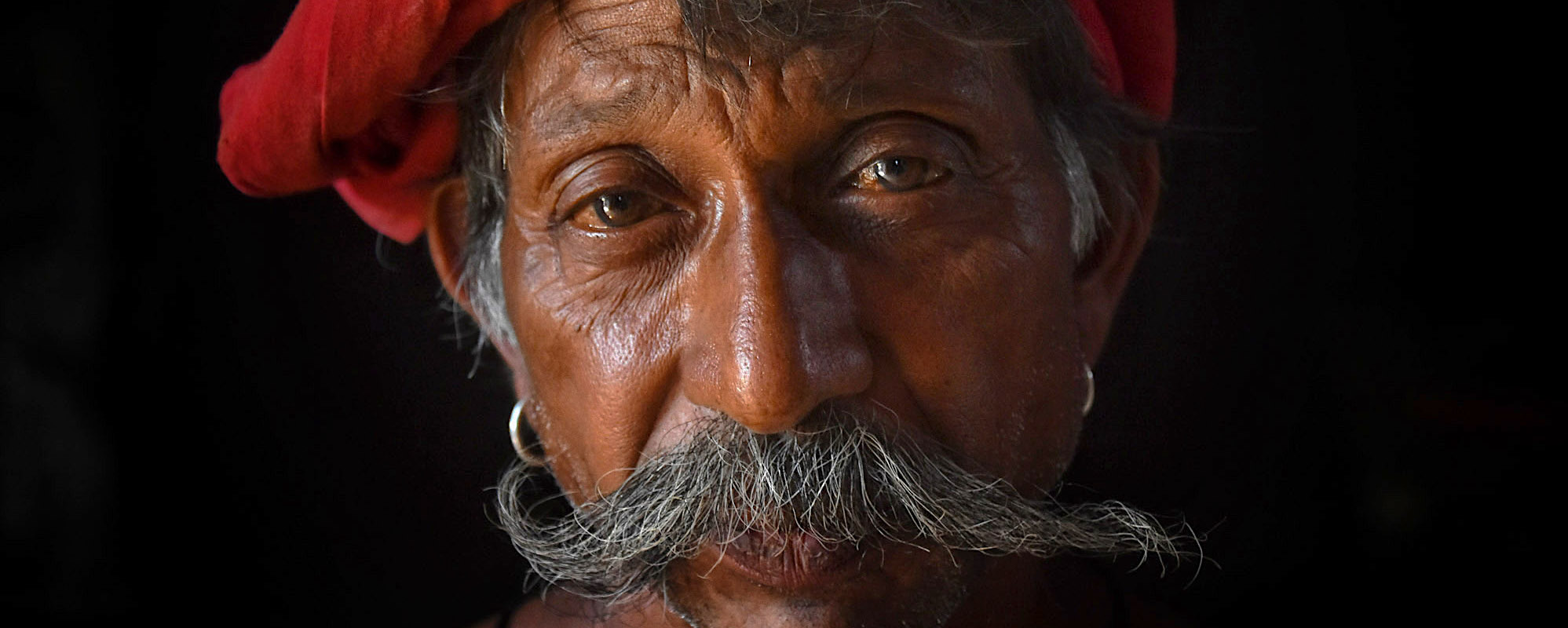
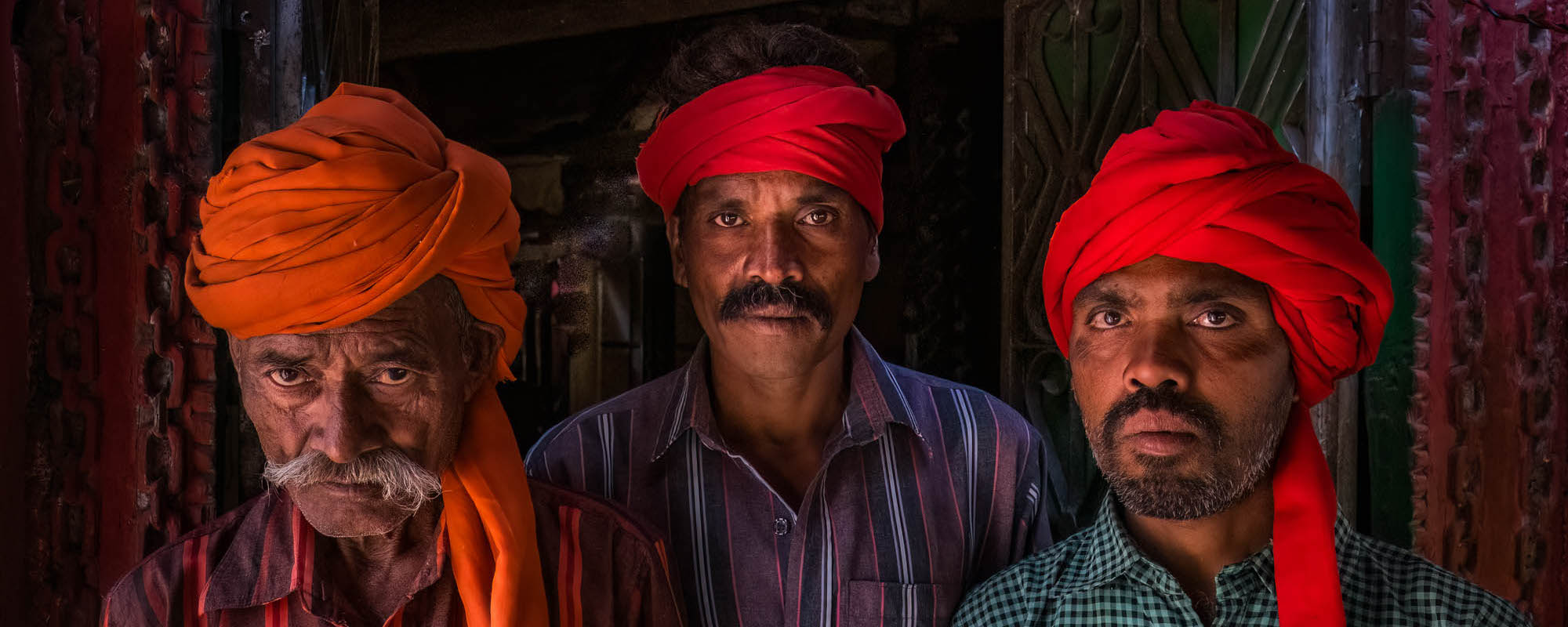
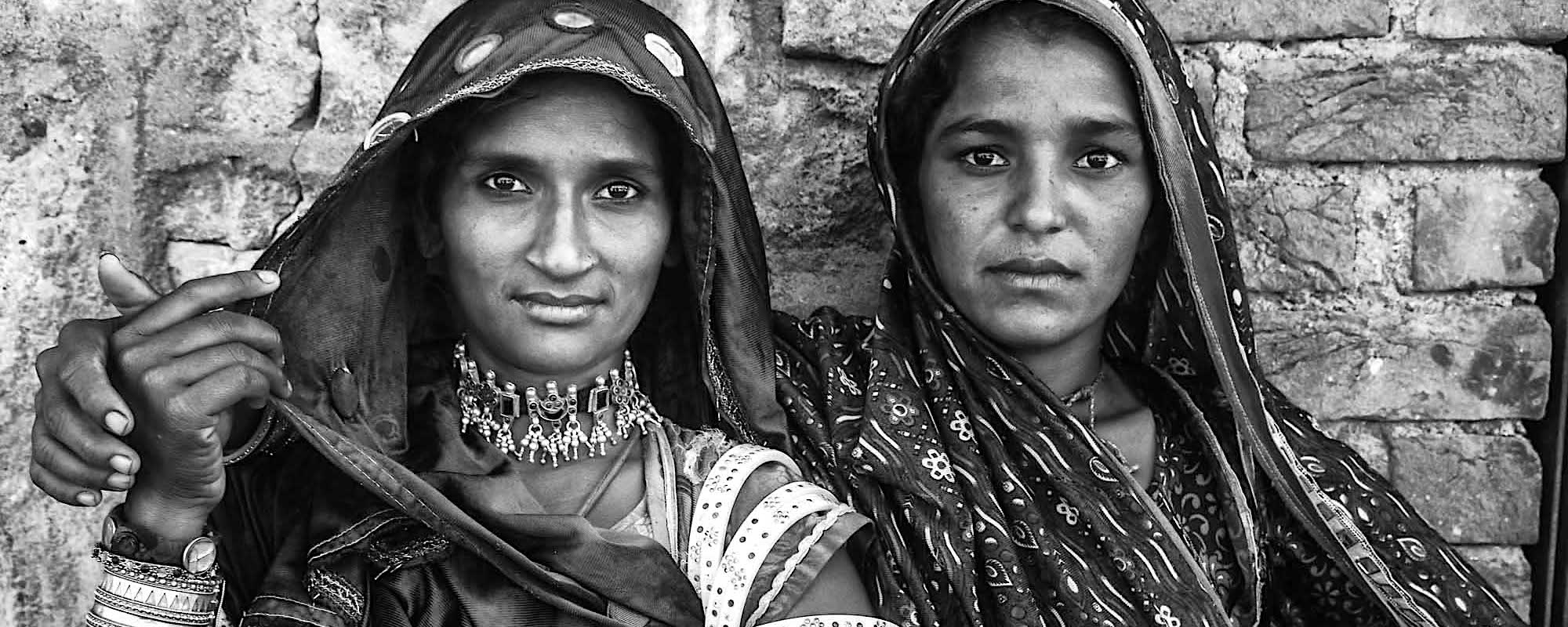
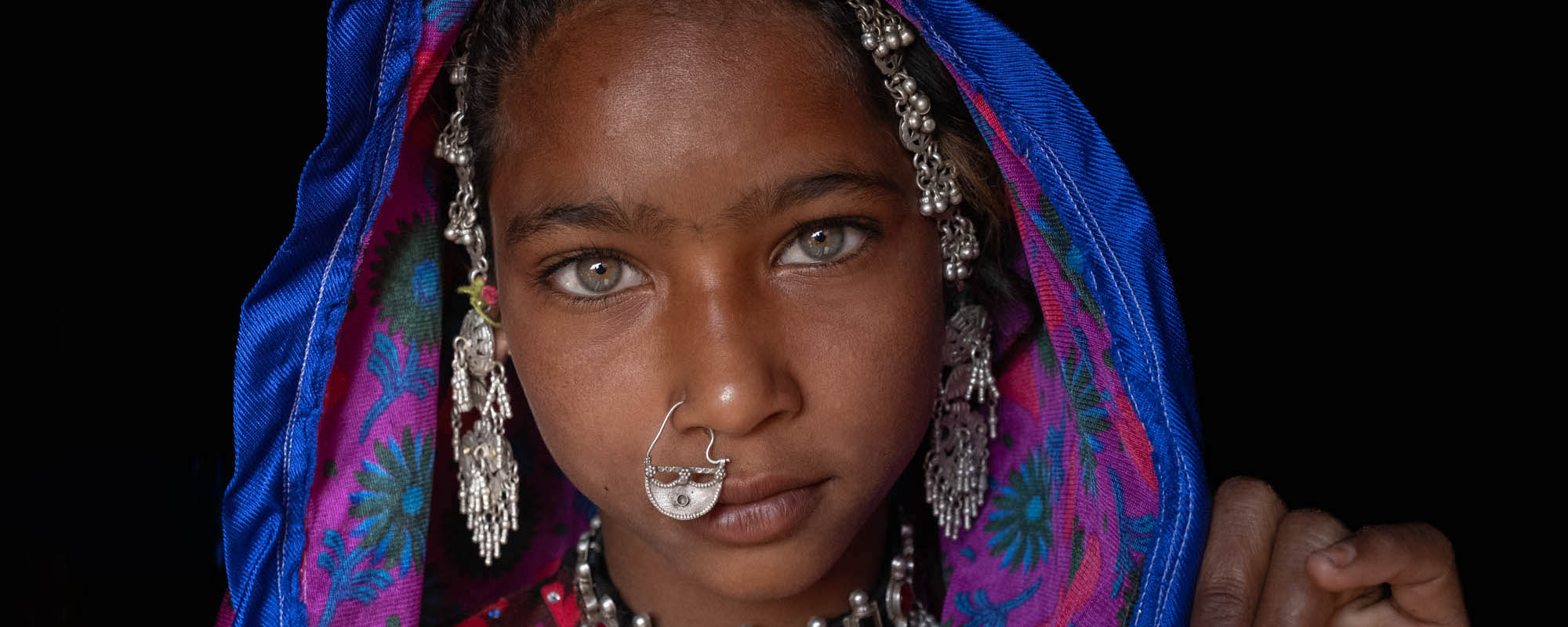
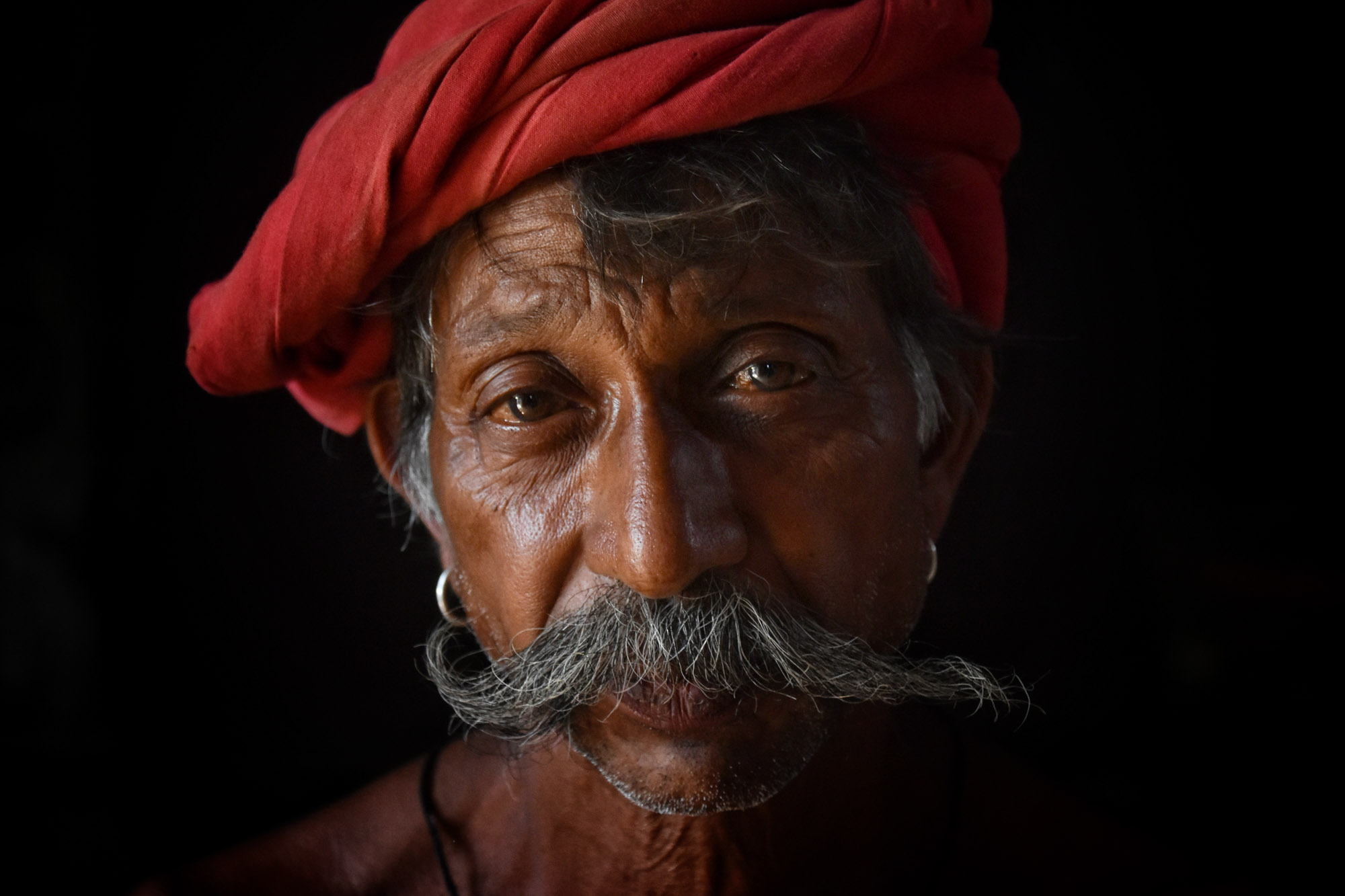
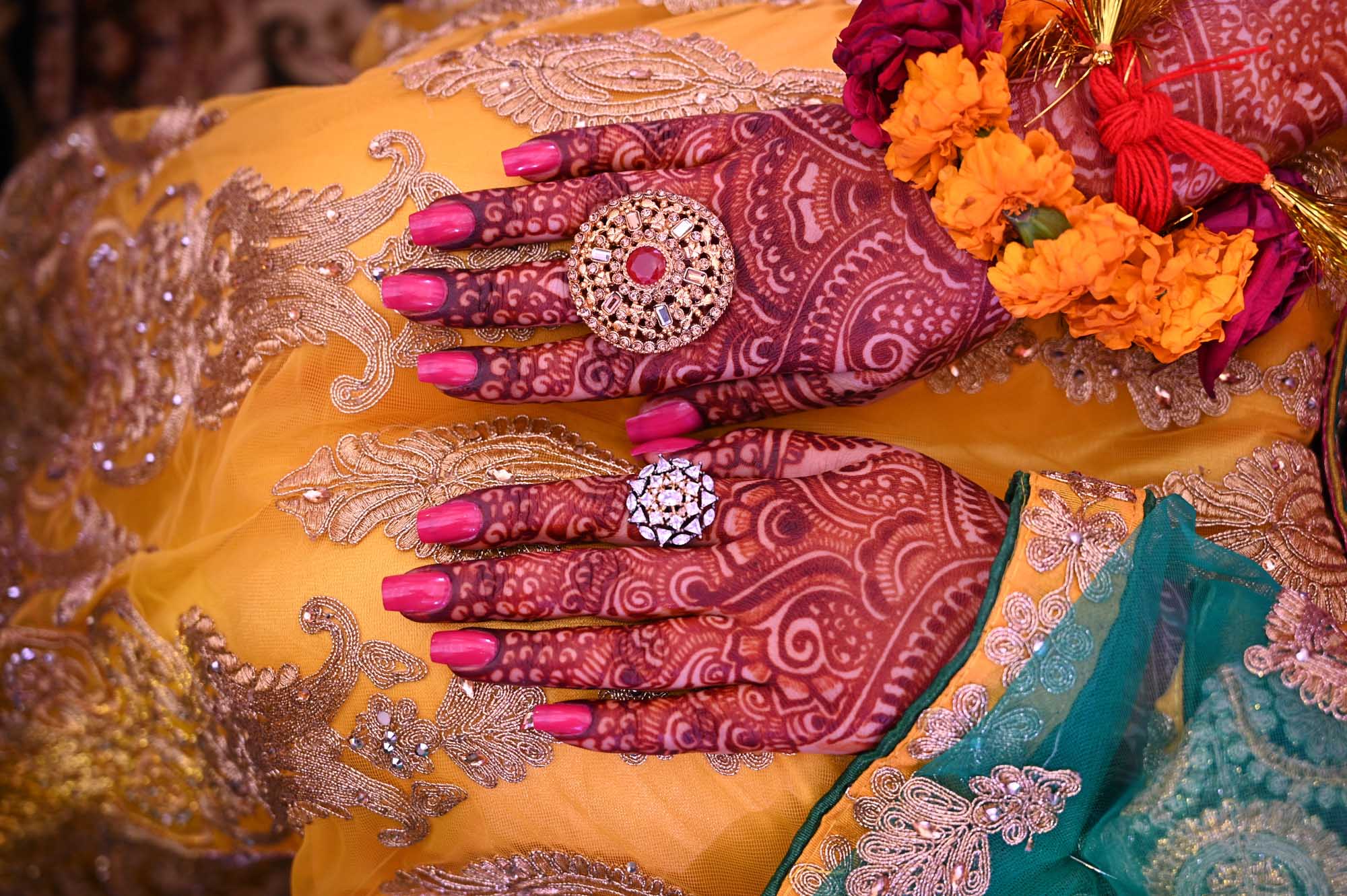
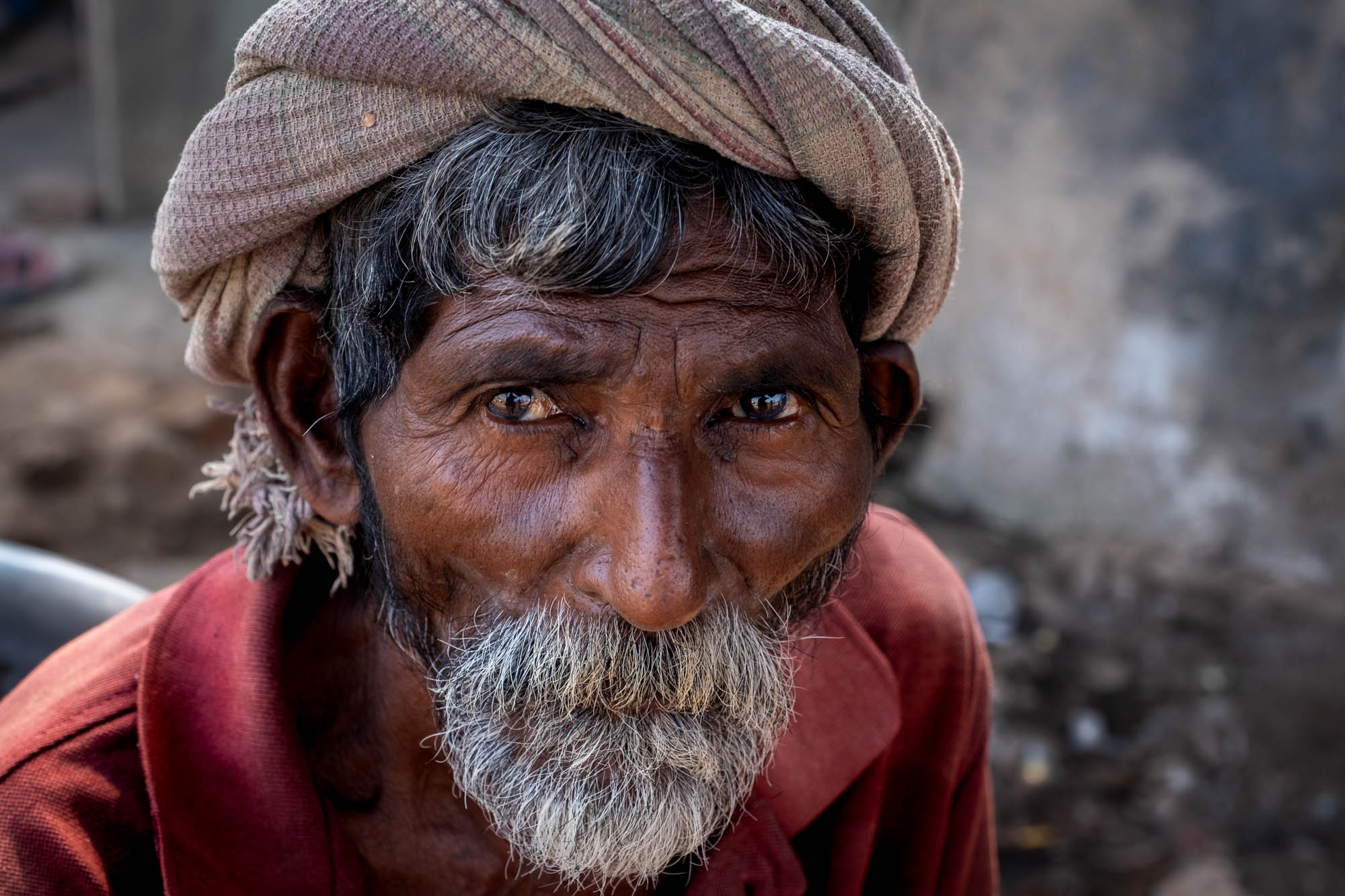
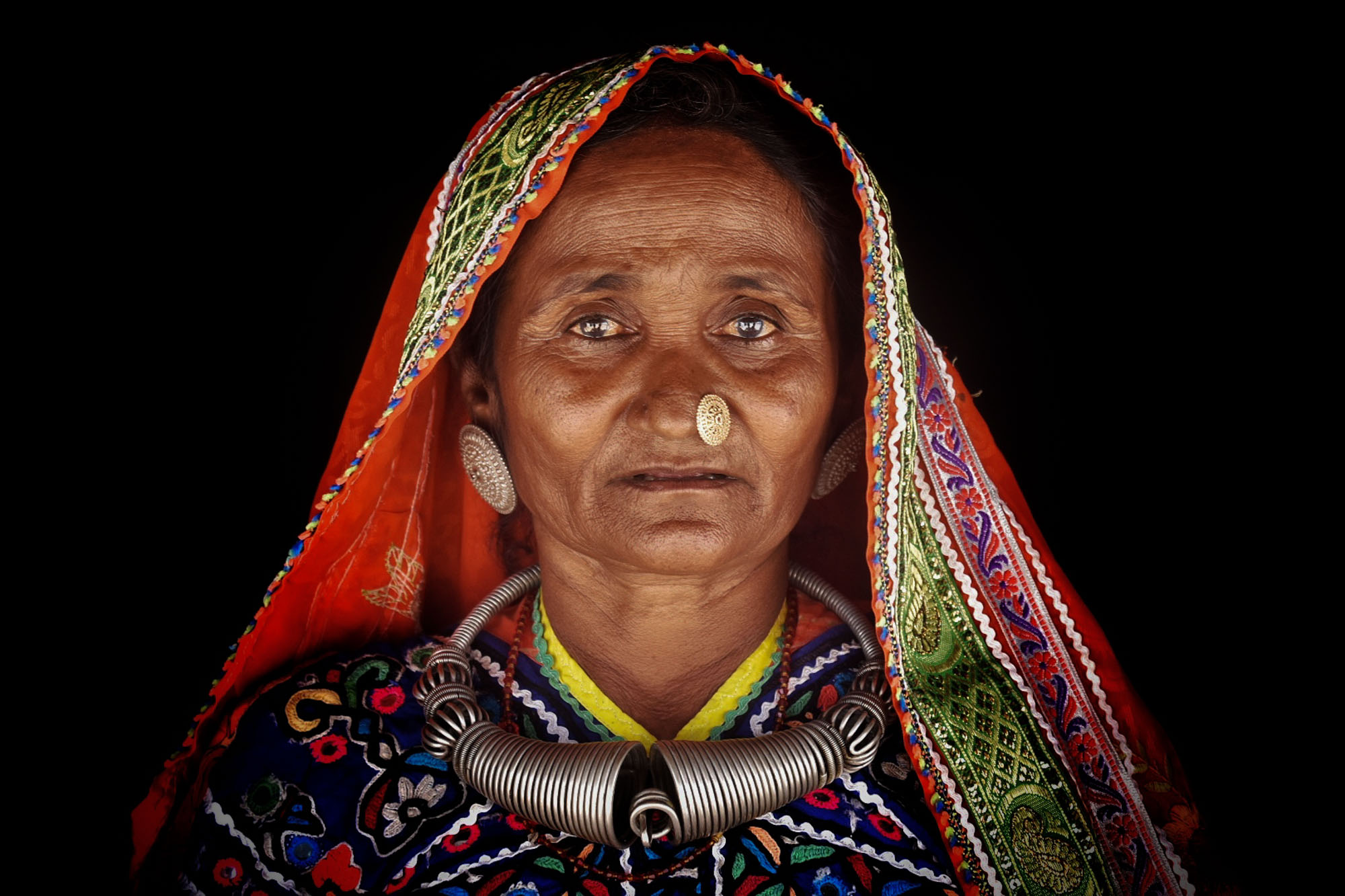
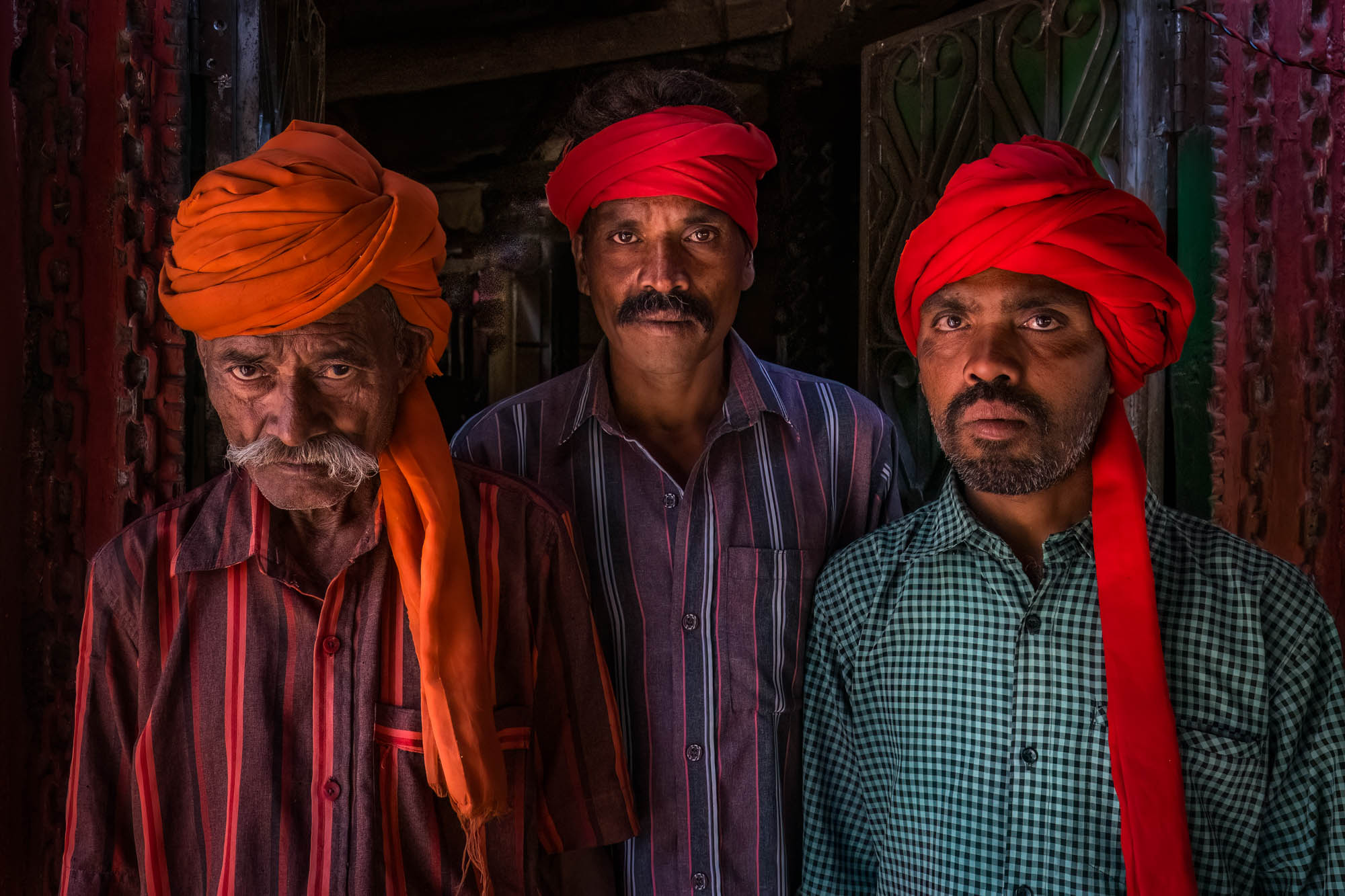
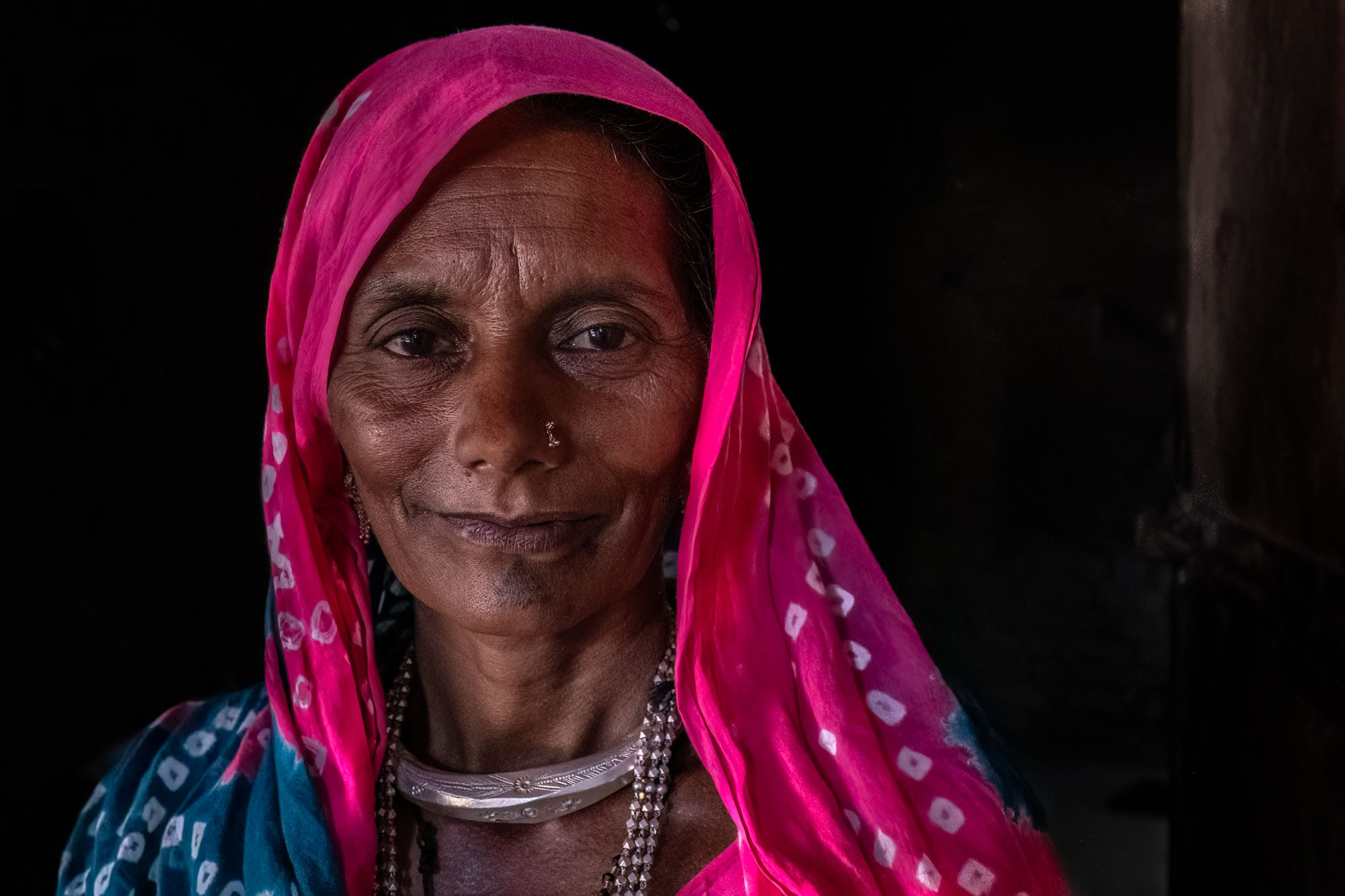
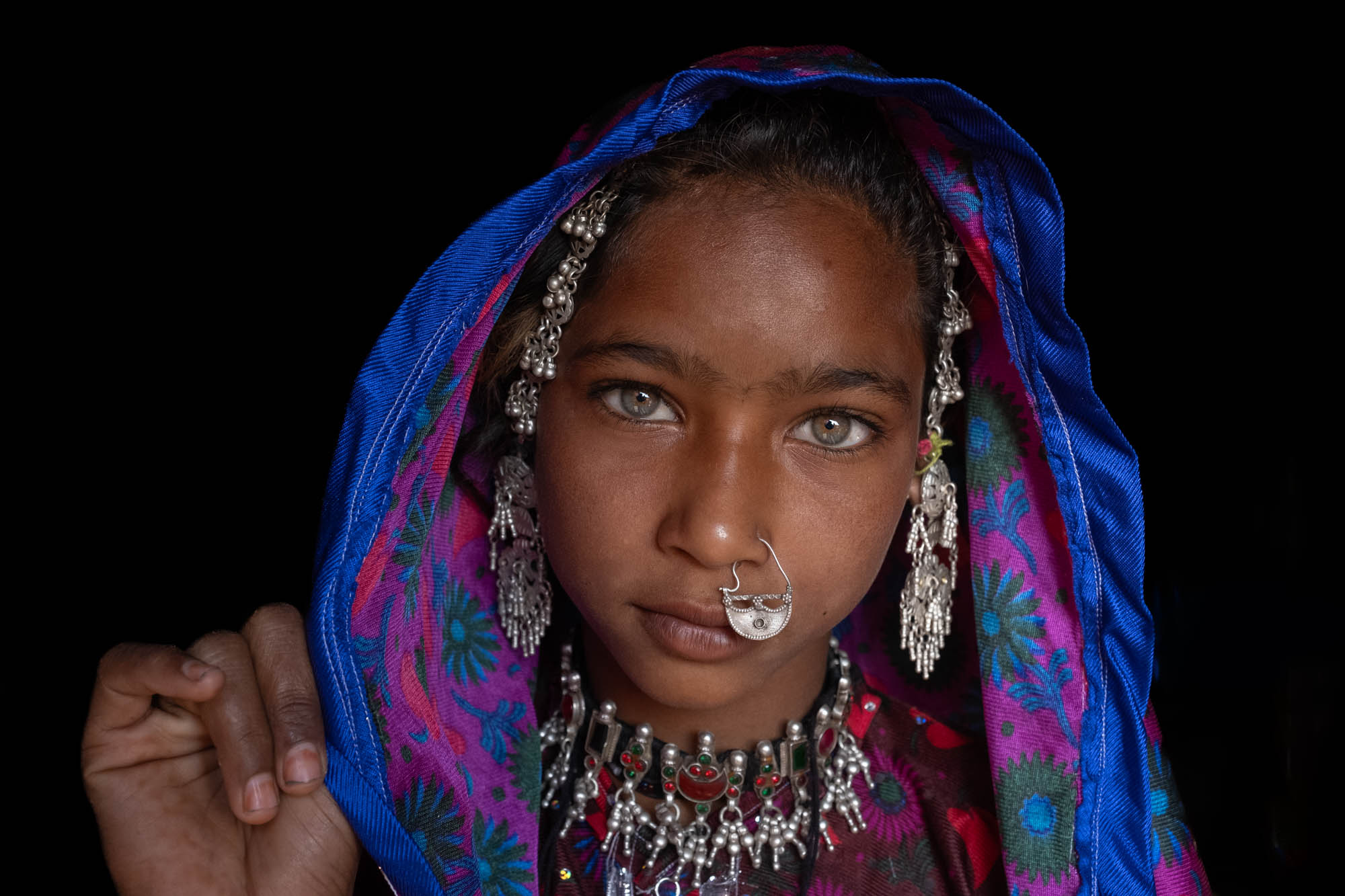
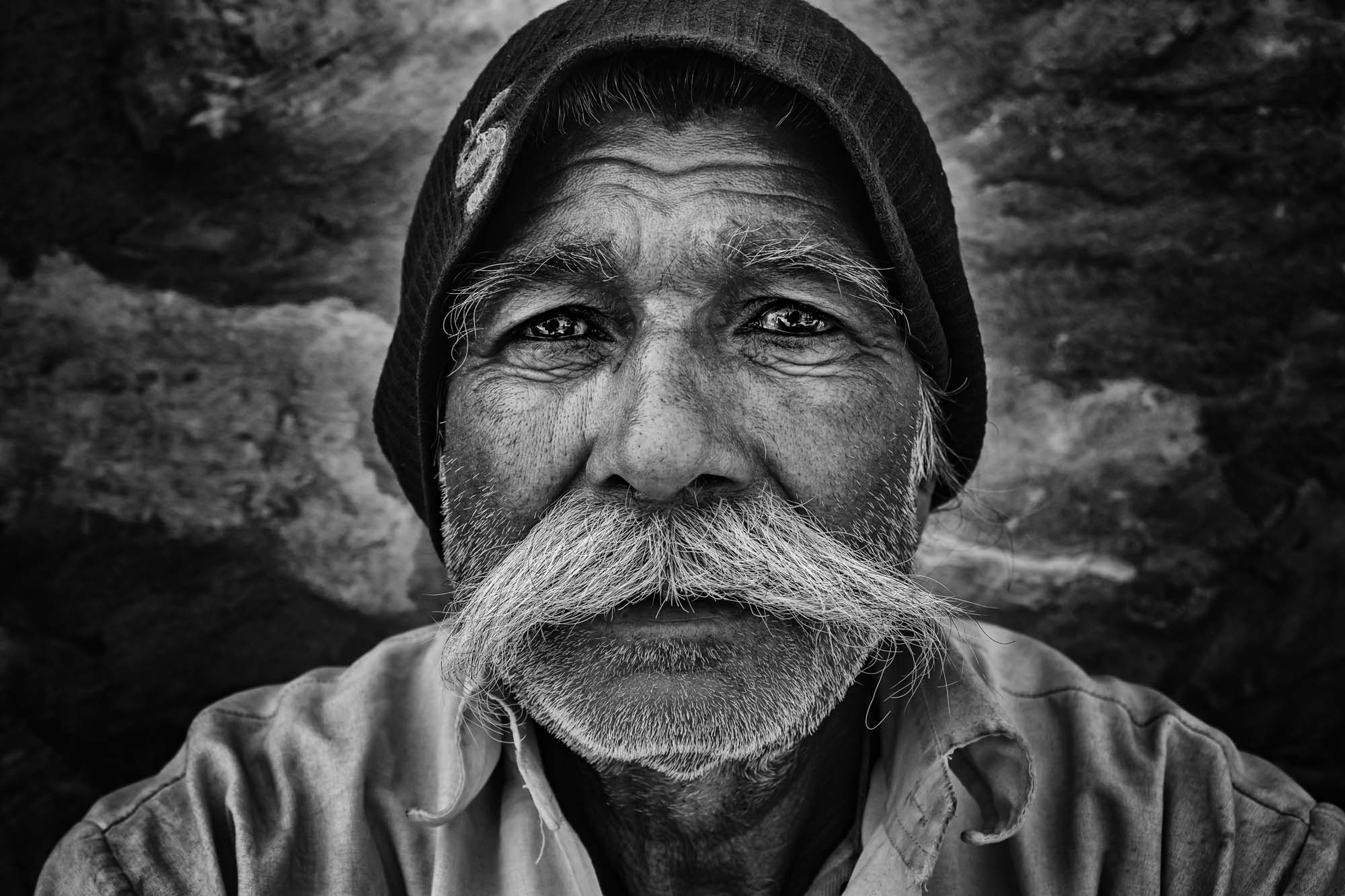
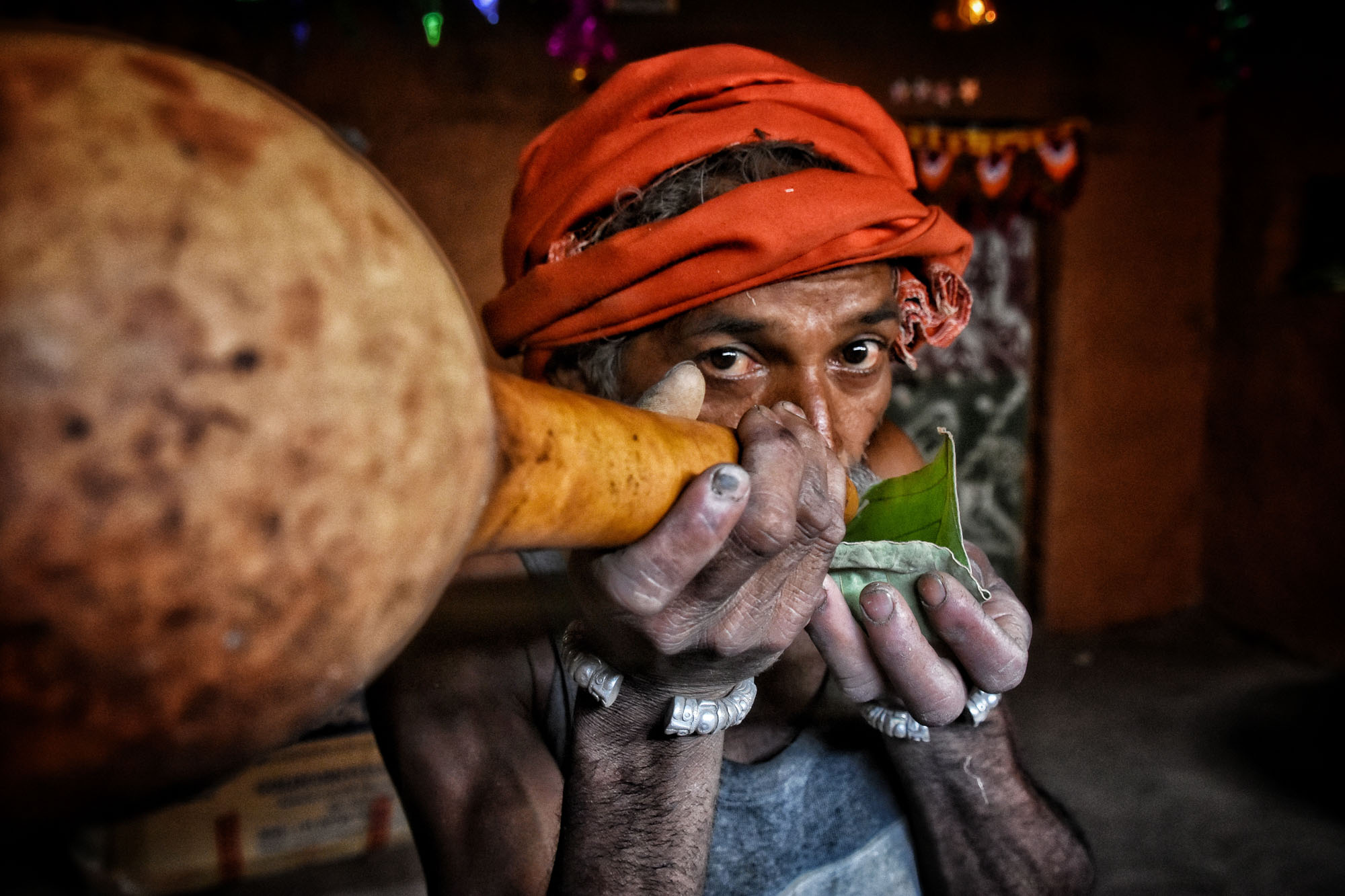
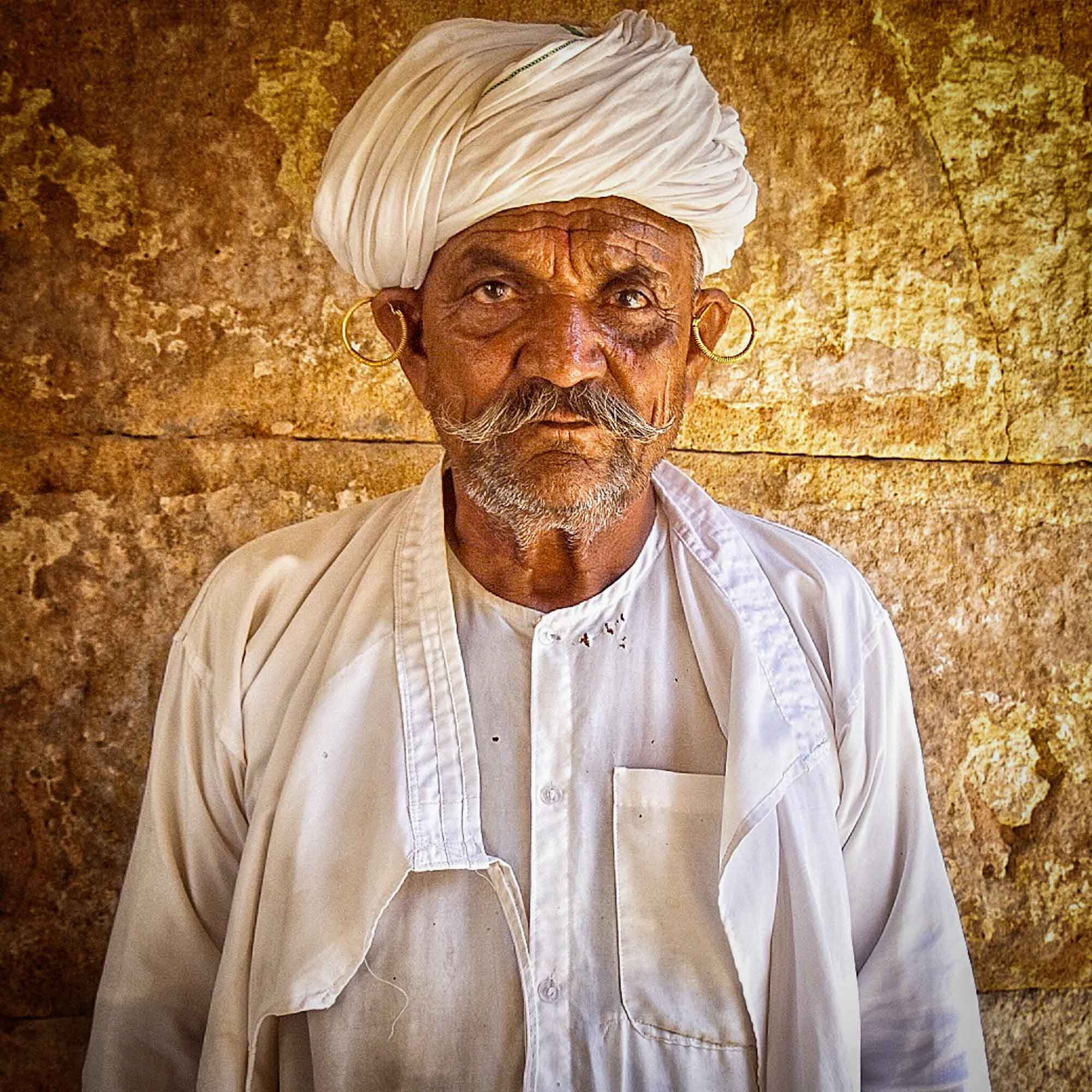
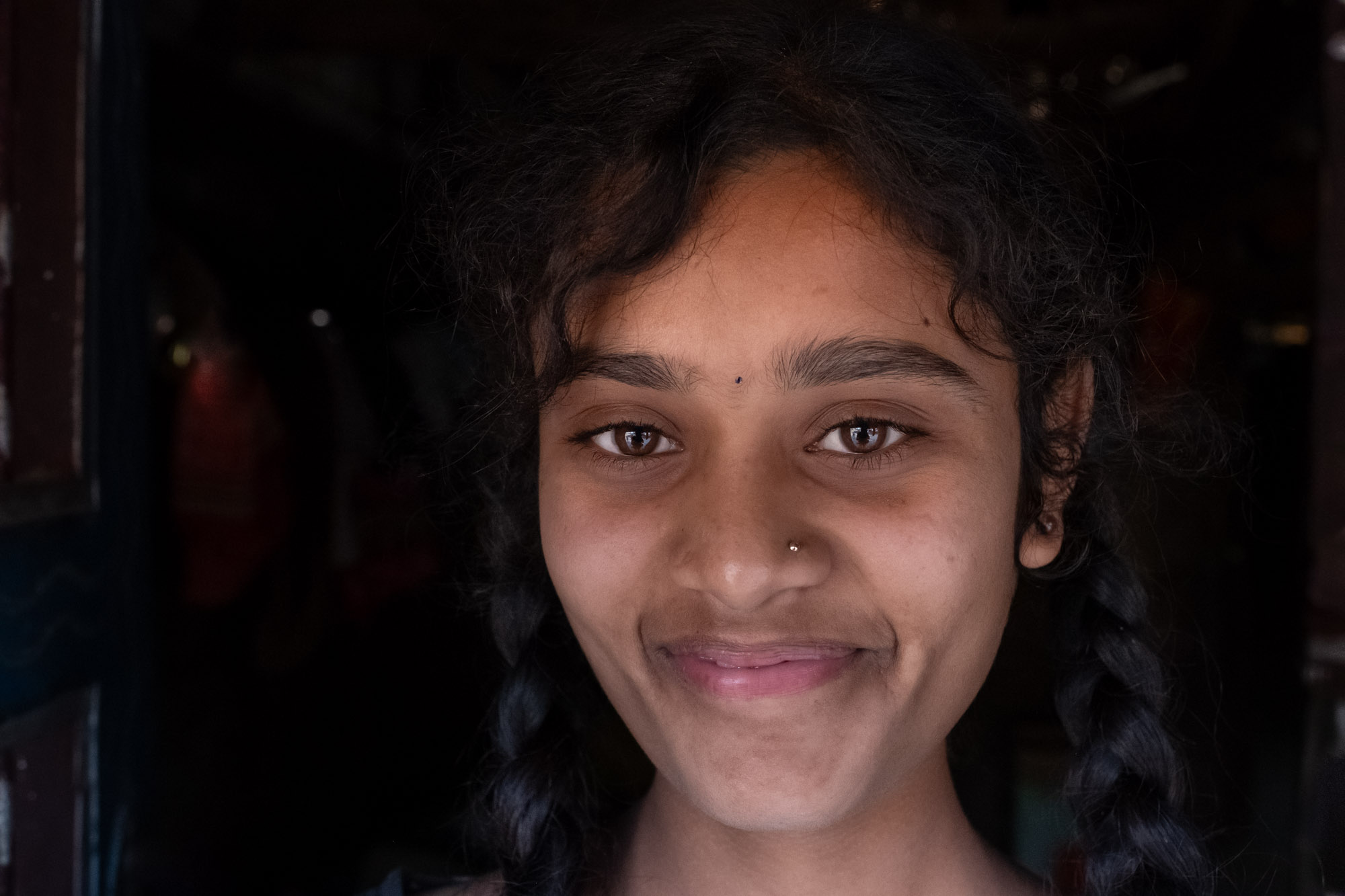
Against the dazzling white backdrop of the Kutch district’s vast salt flats, we’ll photograph members of the Agariya community, whose weathered faces and salt-crusted hands bear witness to generations of labor. The Jat, Mir, and Rabari tribes will also become compelling photographic subjects. Our lenses will focus on their striking facial piercings, intricately embroidered garments, exquisite beadwork, and the symbolic tattoos that tell stories of identity and heritage. We may even have the opportunity to meet members of the Hijra community, whose lives exist beyond conventional social boundaries. Beyond the vibrant colors of their clothing and the energy of their music and celebrations, their faces reveal powerful stories of resilience and life on the margins of India’s complex social structure.
Added Bonus: Following Gujarat, you can extend your adventure with a 3-day / 2-night Mumbai extension. Highlights include the renowned Dharavi Slum, featured in Slumdog Millionaire, the colorful Dadar Flower Market, Dhobi Ghat—the world’s largest open-air laundromat—and the iconic Chhatrapati Shivaji Terminus.
This 10-day photography tour is about far more than creating exceptional images; it is an opportunity to elevate your craft and experience the world through a fresh perspective. Our expert photographer guides will lead you to remarkable locations at the best times of day while helping you develop the art of visual storytelling. Along the way, you’ll refine your technical skills, learn how to navigate the unique challenges of photographing in unfamiliar environments, and discover how to anticipate a scene before capturing the decisive moment. These insights will help transform everyday photographs into compelling works of art.
Join us for spirited discussions, meaningful camaraderie, and countless moments of inspiration. From rural villagers to royalty, and from skilled artisans to urban performers, Gujarat offers an extraordinary tapestry of cultures and experiences. This is truly a once-in-a-lifetime journey. Your visual adventure begins here.
It is often said that “India lives in its villages,” and nowhere is this more evident than in Gujarat. As we journey through this fascinating region, we’ll gain rare insight into traditional ways of life that continue to thrive far from India’s bustling cities. In Jambughoda, we’ll enjoy a private tour, intimate dinner, and exclusive photo session with the royal family at the palace of this former princely state. In contrast, much of our adventure will be devoted to meeting and photographing the many tribes and communities scattered across Gujarat’s diverse landscapes.
Against the dazzling white backdrop of the Kutch district’s vast salt flats, we’ll photograph members of the Agariya community, whose weathered faces and salt-crusted hands bear witness to generations of labor. The Jat, Mir, and Rabari tribes will also become compelling photographic subjects. Our lenses will focus on their striking facial piercings, intricately embroidered garments, exquisite beadwork, and the symbolic tattoos that tell stories of identity and heritage. We may even have the opportunity to meet members of the Hijra community, whose lives exist beyond conventional social boundaries. Beyond the vibrant colors of their clothing and the energy of their music and celebrations, their faces reveal powerful stories of resilience and life on the margins of India’s complex social structure.
Added Bonus: Following Gujarat, you can extend your adventure with a 3-day / 2-night Mumbai extension. Highlights include the renowned Dharavi Slum, featured in Slumdog Millionaire, the colorful Dadar Flower Market, Dhobi Ghat—the world’s largest open-air laundromat—and the iconic Chhatrapati Shivaji Terminus.
This 10-day photography tour is about far more than creating exceptional images; it is an opportunity to elevate your craft and experience the world through a fresh perspective. Our expert photographer guides will lead you to remarkable locations at the best times of day while helping you develop the art of visual storytelling. Along the way, you’ll refine your technical skills, learn how to navigate the unique challenges of photographing in unfamiliar environments, and discover how to anticipate a scene before capturing the decisive moment. These insights will help transform everyday photographs into compelling works of art.
Join us for spirited discussions, meaningful camaraderie, and countless moments of inspiration. From rural villagers to royalty, and from skilled artisans to urban performers, Gujarat offers an extraordinary tapestry of cultures and experiences. This is truly a once-in-a-lifetime journey. Your visual adventure begins here.
Group Size
4-8 Guests
Experience | Difficulty
- Beginner, amateur, enthusiast, and semi-pro photographers
- All cameras and camera phones are welcome
- Moderate schedule
- Travel by private air-conditioned car, train, and minivan
- Minimal elevation changes and lots of walking
- Non-photographers are also welcome
Weather | Sun
February – Temps 87/58 F | 31/15 C Sunrise 7:16 | Sunset 6:32 (18:32)
Includes
- 10 or 13 Days
- Travel, street, people, portrait, cultural, and landscape photography
- Professional photographer | Guide
- Photo walks & discussions
- Small group size (4-7 guests)
- Premium hotels
- Breakfasts
- 4 Meals
- Local guides in every city
- 1 Domestic flight
- Airport transfers
- All entrance fees
- Local transportation
Travel Information
Arrival Airport: Sardar Vallabhai Patel International Airport, Ahmedabad, India (AMD) – Transfer time: 50 minutes.
Arrival & Departure Airports: Mumbai, India (BOM) or Delhi, India (DEL)
Our adventure begins at 11 AM on the first day and ends at noon on the last day.
Travel Visa: A visa may be required depending on your nationality. We suggest you use iVisa.com. They are excellent at providing quick service for obtaining travel visas.
Accommodations
Ahmedabad – Hyatt Regency or similar
Jambughoda – Jambughoda Palace or similar
Dasada – Run Rider or similar
Bhuj – Regenta Resort or similar
Mumbai – Taj Lands End, The Westin Mumbai Garden City, or similar
Optional Airport Hotels – JW Marriott Mumbai Sahar (Mumbai) or JW Marriott Hotel (New Delhi)
Helpful Links
Lost Tribes of Gujarat Prices & Dates
| Adventure | Price | REGISTER |
|---|---|---|
From: $8,495 | ||
From: $8,995 |
Gujarat & Mumbai Prices & Dates
| Adventure | Price | REGISTER |
|---|---|---|
From: $10,895 | ||
From: $11,595 |
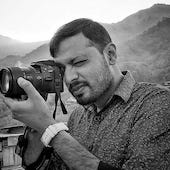
Photographer Leader
PRIYANK TYAGI
February 7-16/19, 2027
February 6-15/18, 2028
*All prices are per person and based on double occupancy. Please select single occupancy for a private room. For your convenience, we offer optional early arrival and late departure accommodations so you can extend your stay before or after the trip. We typically stay in upscale boutique hotels in the 4 and 5-star category. Not all destinations offer these types of properties. We look for unique hotels that offer cultural, historic, and/or authentic features. Depending on the size of the group, smaller boutique hotels may have limited room inventory. In some countries or in remote locations, we may be limited to lodges or branded chain hotels. In Cuba, we stay in upscale family-owned Casas (bread & breakfasts). On all of our tours, breakfast is almost always included, but not guaranteed. Meal categories listed include (B) for breakfast, (L) for lunch, and (D) for dinner.
ITINERARY
GUJARAT PHOTO TOUR – 10 DAYS
Day 1 | Ahmedabad - Adalaj Stepwell
Upon meeting at our hotel in Ahmedabad, we’ll gather for introductions and an overview of the exciting journey ahead. This is an opportunity to discuss our individual photographic styles, favorite subjects, techniques, and levels of experience. We’ll also explore what to expect over the coming days and identify personal goals to help make the most of this unique photographic adventure.
Later in the afternoon, we’ll head out for our first photoshoot at Adalaj Stepwell, a remarkable five-story structure located on the outskirts of Ahmedabad. Widely regarded as one of Gujarat’s finest stepwells, Adalaj was built in 1555 and is celebrated for its series of intricately designed platforms and galleries that descend deep into the earth. This architectural masterpiece is a stunning example of Indo-Islamic design, where delicate Islamic floral motifs blend harmoniously with Hindu and Jain symbolism, reflecting the rich cultural heritage of the era.
The captivating interplay of light and shadow across the stepwell’s elaborate carvings, arches, and ornamentation creates endless photographic possibilities. An opening in the ceiling above the central landing allows light and air to filter into the octagonal well below, while the lower stairways and platforms remain largely untouched by direct sunlight throughout the day. If conditions are favorable, we may witness dramatic beams of light dancing across the walls, creating a mesmerizing tapestry of shadows and patterns that offers the perfect opportunity to capture this historic monument in its most artistic form.
In the evening, we’ll gather to celebrate the start of our adventure with a “Welcome Dinner” at one of our favorite Indian restaurants. (L) (D)
Day 2 | Ahmedabad - Pols - Dada Hari Vav Stepwell - Manek Chowk
The Old City of Ahmedabad is one of India’s best-preserved living cities, with a history stretching back more than six centuries. After breakfast, we’ll embark on a heritage photo walk through its historic streets, beginning at the Swaminarayan Temple and concluding at the bustling Manek Chowk Book Market. Prepare for a sensory-rich experience and an abundance of photographic opportunities. This remarkable city is home to some of India’s finest Indo-Islamic monuments, exquisite Hindu and Jain temples, and beautifully carved wooden houses that stand as architectural treasures. Its diverse architecture, vibrant culture, religious landmarks, and enduring traditions offer a compelling testament to India’s rich heritage and multicultural spirit.
Ahmedabad is made up of numerous “Pols,” self-contained neighborhoods that have historically sheltered generations of residents. Many of these Pols resemble small villages, connected by narrow lanes that often open into communal squares, or chowks, featuring shared wells and traditional bird-feeding towers known as chabutras. Designed for both community living and security, these neighborhoods were once protected by gates, cul-de-sacs, and hidden passageways, creating a fascinating urban landscape that remains highly photogenic today.
After lunch, we’ll visit the stunning Dada Hari Vav Stepwell, an iconic 15th-century structure built during the reign of Mehmud Begda. Its breathtaking design provides exceptional opportunities to photograph the intricate carvings and ornate details that are hallmarks of medieval Gujarati architecture. This architectural masterpiece also attracts a steady flow of local visitors, adding a human element to our compositions. As is often the case at India’s historic stepwells, we may also encounter young couples spending time together, creating candid and authentic storytelling moments.
In the evening, our attention turns to Manek Chowk. A bustling vegetable market in the early morning and a thriving jewelry marketplace during the day, it undergoes yet another transformation after dark, becoming one of Ahmedabad’s most vibrant street food destinations. Here, we’ll sample some of the city’s delicious local specialties while photographing the lively atmosphere of food vendors, customers, and families enjoying an evening out. The market is filled with colorful characters and fascinating scenes, providing excellent opportunities to practice photographing people and street life under the glow of neon lights. (B)
Day 3 | Ahmedabad - Jambughoda - Jambughoda Palace
We’ll depart Ahmedabad and journey to Jambughoda, a destination far removed from the typical tourist trail. Once a princely state in its own right, Jambughoda was ruled by a branch of the Parmar Dynasty from Dhar in Madhya Pradesh. The royal family governed the region until its merger with the Indian Union in 1948. Today, HH Maharana Vikramsinhji continues to reside in the palace with his family, preserving the heritage and traditions of this historic estate.
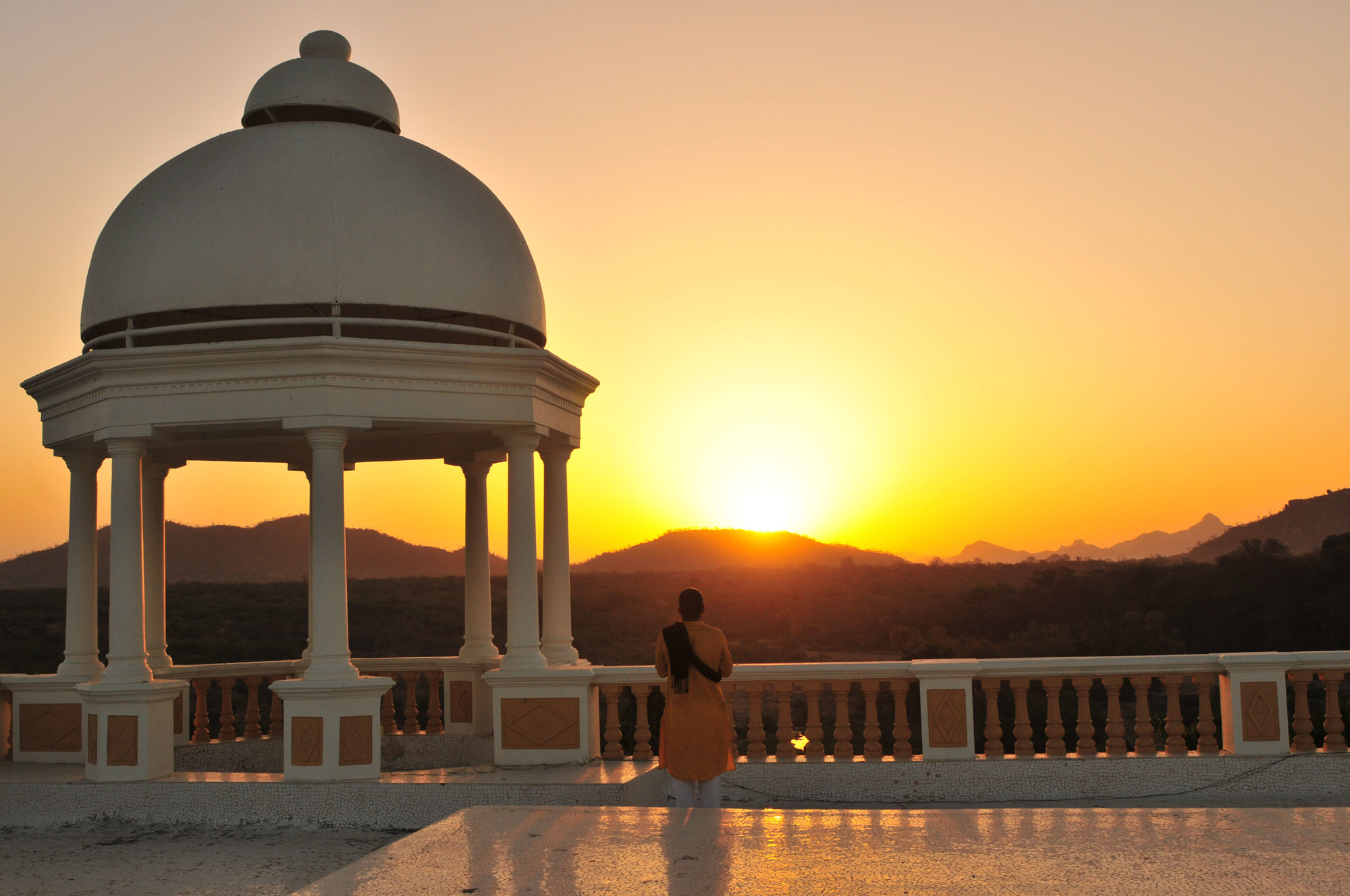
Our home for the night will be the heritage-rich Jambughoda Palace. One section of the property remains the private residence of the royal family, while portions of the palace, former royal kitchens, stables, and staff quarters have been thoughtfully restored into guest accommodations. The atmosphere is steeped in old-world charm, with the Jambughoda crest adorning doorways and intricate latticework and carvings reflecting the region’s distinctive Indo-Saracenic architectural style. Staying here offers a rare opportunity to experience the legacy of a bygone era while enjoying modern comforts.
Located just 20 minutes from the palace, the Jambughoda Wildlife Sanctuary was officially designated a protected area in 1990. Today, Vikramsinhji is actively involved in efforts to preserve the sanctuary and its surrounding communities. He advocates against the expansion of a nearby highway, which could impact local villages as well as the region’s diverse wildlife, including leopards, panthers, four-horned antelope, and more than a hundred species of birds.
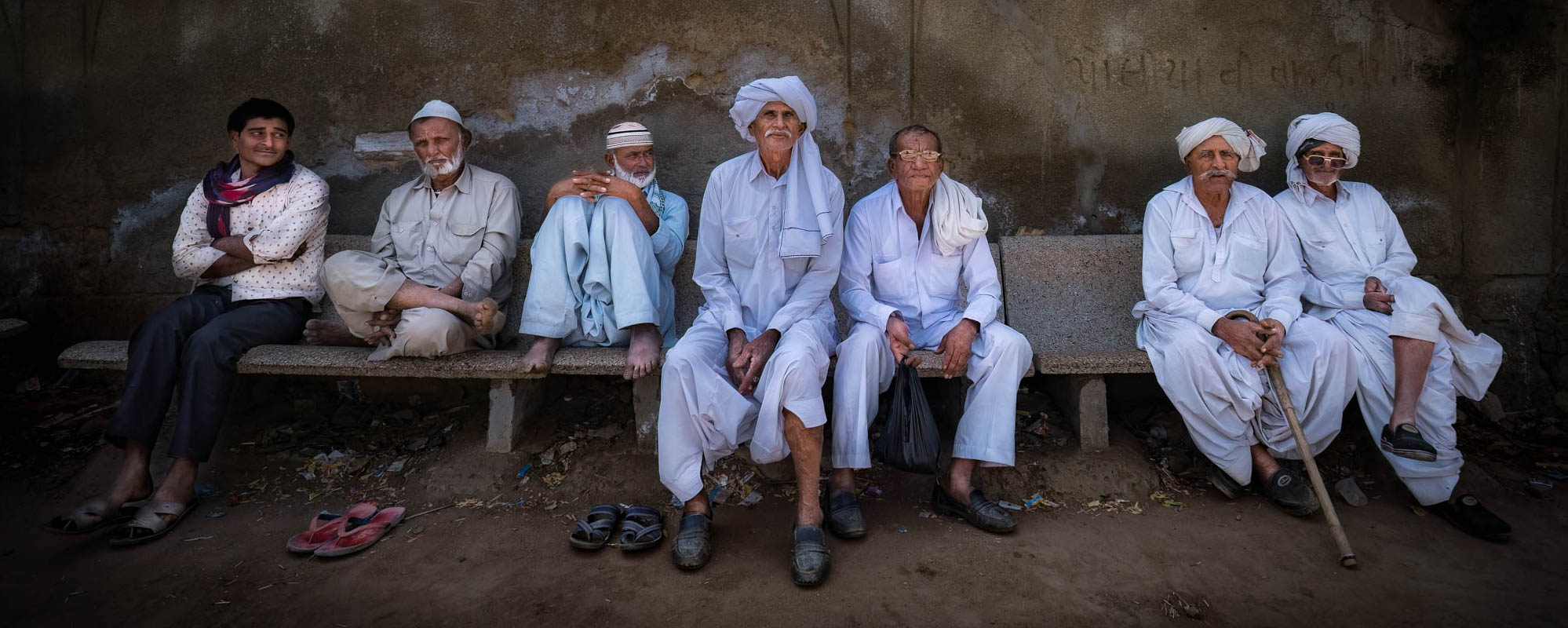
After checking in, we’ll head out to photograph the farming communities that live in the villages surrounding the palace. Their ancestors migrated from the Dhar region of Madhya Pradesh centuries ago, and many continue to maintain traditional ways of life rooted in agriculture and pastoral practices. As they go about their daily routines, we’ll have the opportunity to create authentic documentary-style images and gain insight into a lifestyle that has remained largely unchanged for generations. We may also be welcomed into their homes, offering an intimate glimpse into rural Gujarat and the traditions that continue to shape everyday life.
PWA Exclusive: One of the highlights of our time in Jambughoda is a private photographic experience with members of the royal family within the palace itself. We’ll have the rare opportunity to photograph them amidst their personal collection of royal heirlooms and family memorabilia in areas not generally accessible to visitors. Vikramsinhji will personally guide us through his home, sharing stories of his distinguished ancestors whose portraits line the palace walls. We’ll also have the chance to photograph members of the royal family dressed in traditional attire, creating exceptional opportunities for portraiture and close-up compositions.
In the evening, Vikramsinhji and his son will join us for dinner. Over the course of the evening, they will share stories from their lives, including memories of Vikramsinhji’s years at the prestigious Doon School, as well as fascinating insights into the history of Jambughoda and princely India. Warm, engaging, and deeply passionate about his heritage, Vikramsinhji offers a rare window into a world few visitors ever experience. It is an unforgettable opportunity to hear firsthand accounts of a remarkable era from an Indian Maharaja himself. (B) (D)
Day 4 | Jambughoda - Rathwas and Nayak Tribes
Our focus will be on documenting the unique culture and traditions of the Rathwa and Nayak tribes. We will photograph men, women, and children dressed in their traditional attire at the weekly village markets known as “haats.” These vibrant markets serve as important social and commercial gathering places, offering an exceptional opportunity to photograph multiple tribal communities in a single location as they shop, sell local produce, and trade a variety of household goods. Following our time at the market, we will visit the nearby villages of Rangpur, Gunata, and Surkeda, where we will photograph tribal families in and around their homes.
The traditional attire of Rathwa and Nayak men includes the langoti (loincloth), kachuta, and the distinctive phenta (headgear). Women traditionally wear the ghagaro (lower garment) and cholia (upper garment), often complemented by an array of striking jewelry. Many women wear silver armlets known as kala, along with silver wrist ornaments called fasi, finger rings known as biti, and traditional tattoos that hold cultural significance. Men also wear kala armlets, though theirs are typically crafted from iron rather than silver. These distinctive forms of dress and adornment provide fascinating insights into the identity, heritage, and customs of these tribal communities, while offering compelling opportunities for portrait and documentary photography. (B) (L)
Day 5 | Jambughoda - Dasada - Rabaris, Jat, Mir, and Agariya Tribes
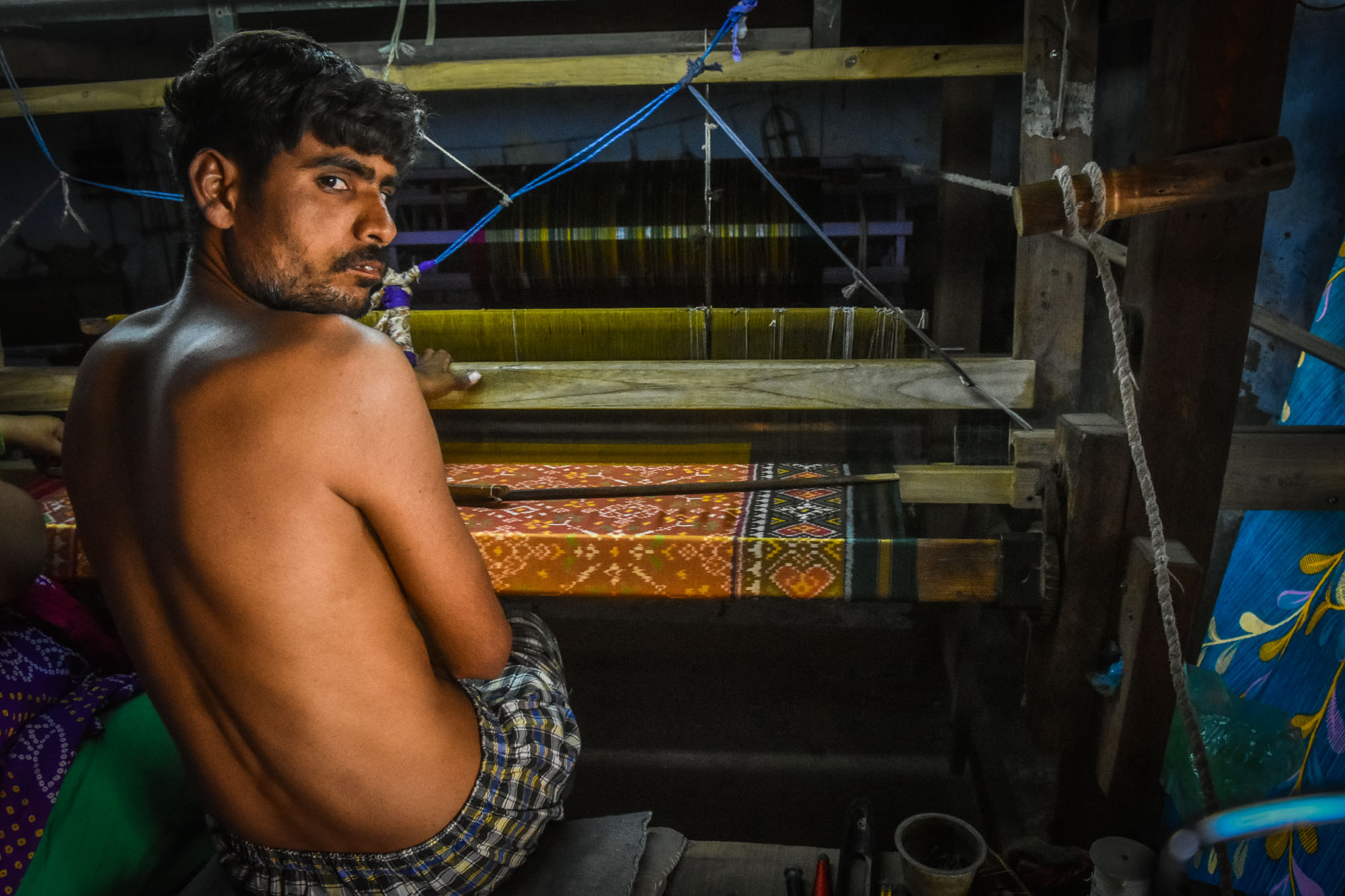
After breakfast, we will depart for Dasada, approximately a five-hour drive from Jambughoda. Situated on the edge of the Little Rann of Kutch, an extension of the larger Rann of Kutch into the Saurashtra region, Dasada is a gateway to one of Gujarat’s most distinctive cultural landscapes. The area is home to several fascinating tribal and ethnic communities, including the Rabari, Jat, Mir, and Agariya peoples, each with their own traditions, customs, and visual identity. The women of these communities are particularly renowned for their mastery of traditional crafts, including intricate embroidery and silk weaving techniques that have been passed down through generations. Beyond its rich cultural heritage, the surrounding region is dotted with remarkable ancient monuments, temples, and historic sites that add depth and context to our photographic journey.
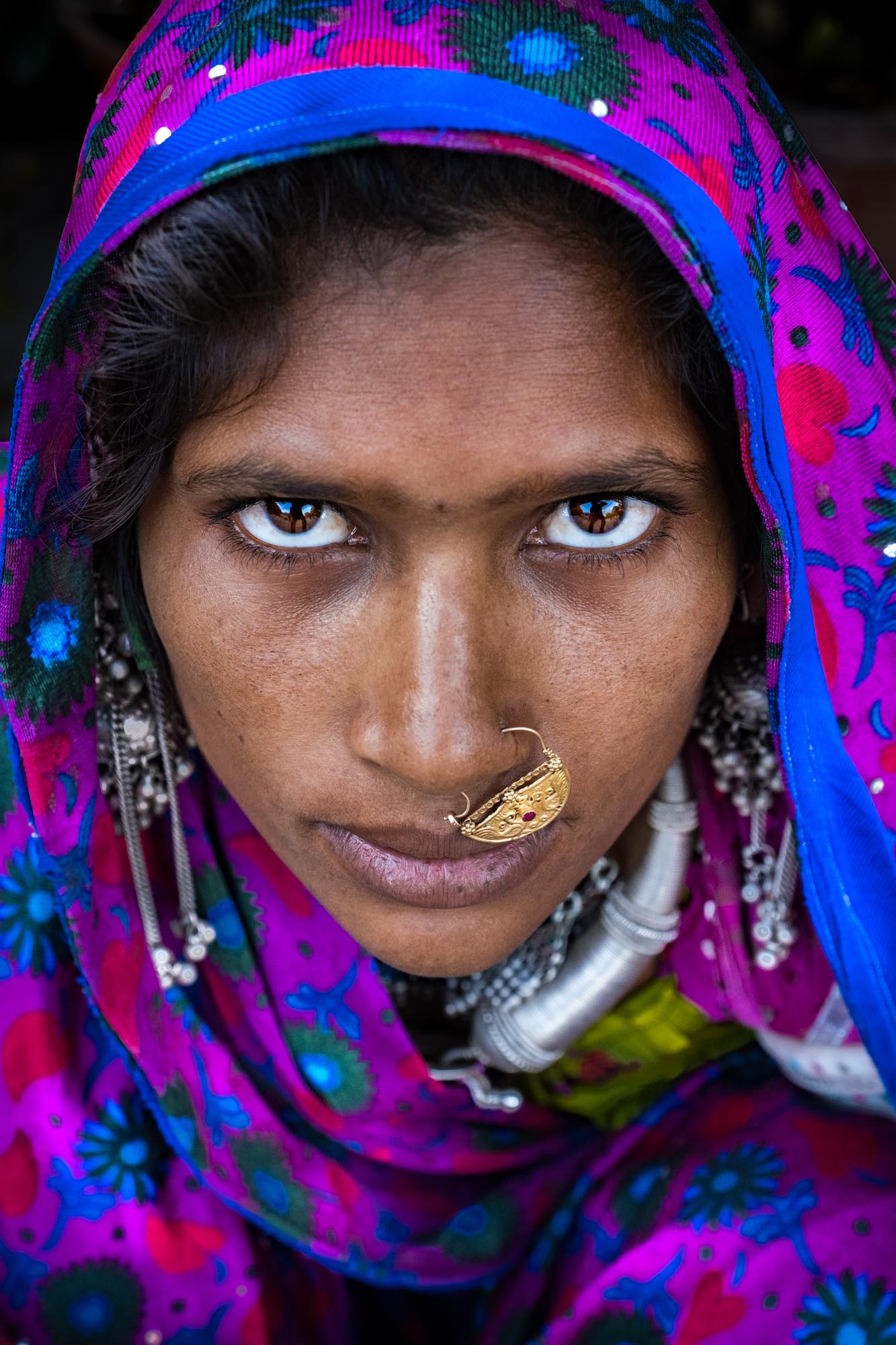
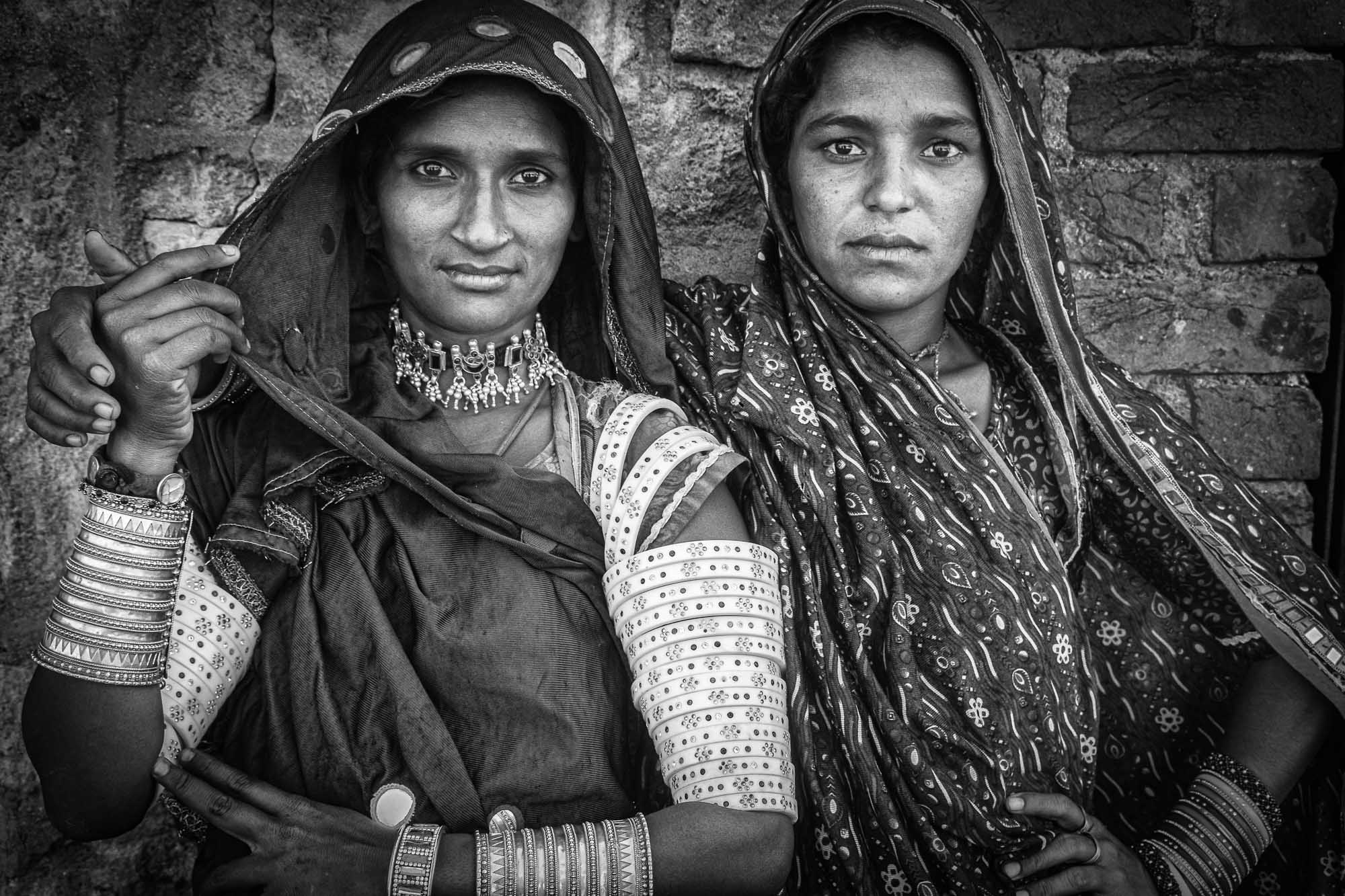
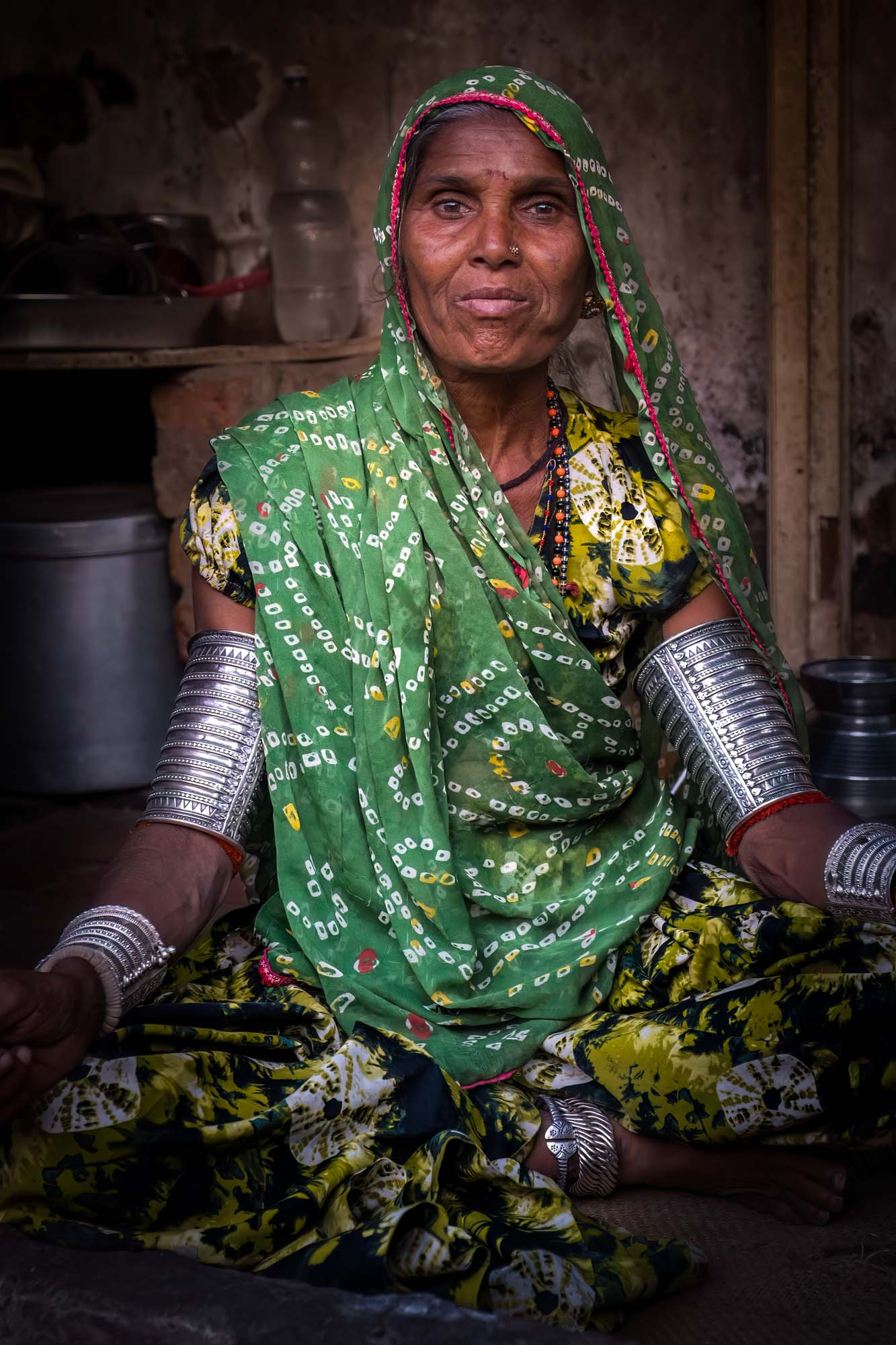
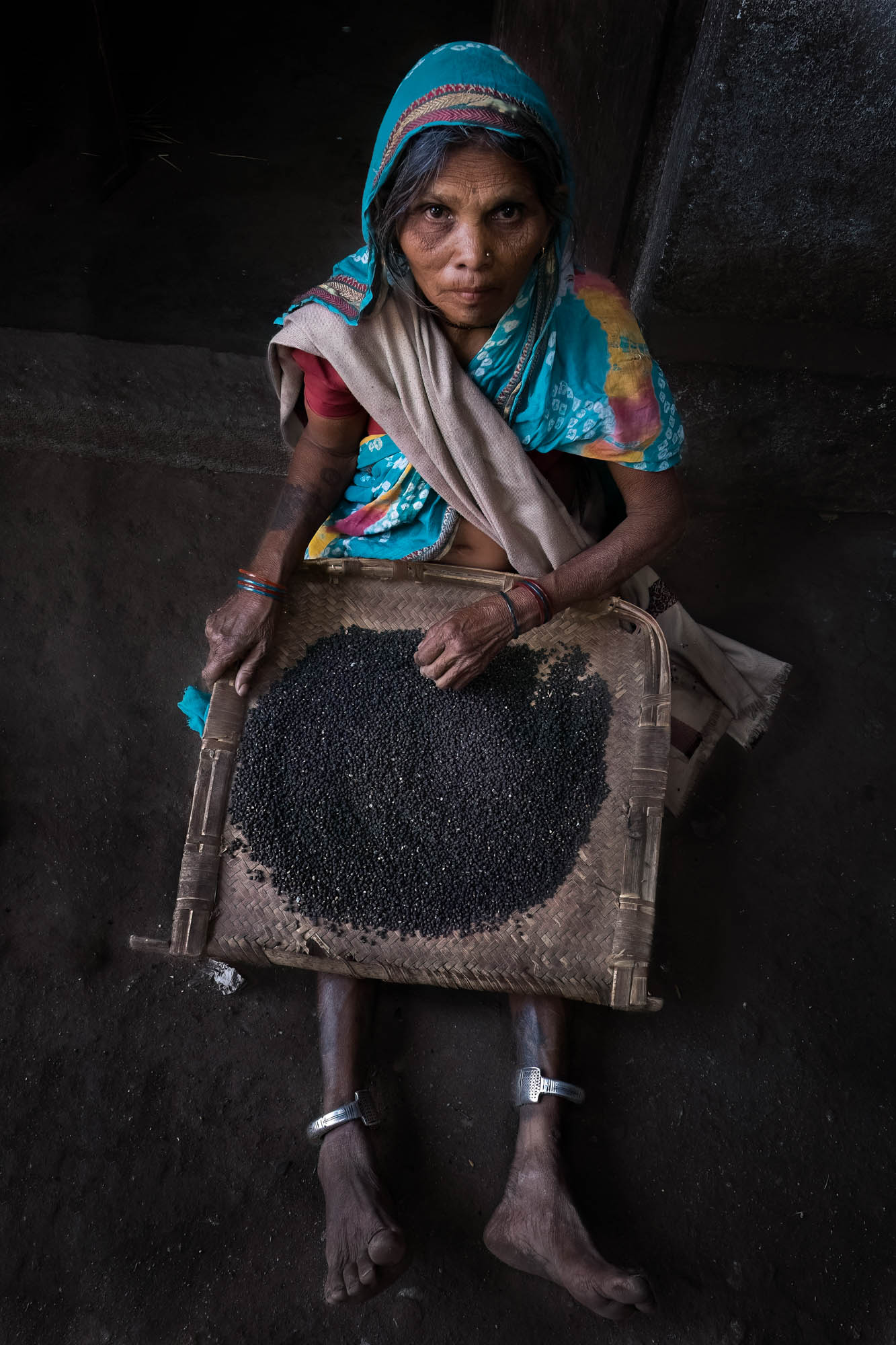
One of Gujarat’s most visually captivating communities is the Mir tribe. Following our arrival and check-in, we will visit nearby villages and rural settlements to photograph Mir tribal women in their everyday environment. Their appearance is instantly recognizable, with heavy silver necklaces, elaborate jewelry, and brilliantly colored garments adorned with intricate embroidery. As a symbol of their marital status, many women wear distinctive hard-plastic bracelets. Known for their warm and outgoing nature, they often make engaging and expressive portrait subjects, providing wonderful opportunities to create intimate and culturally rich images.
In the evening, we’ll gather for dinner before reviewing the day’s work during a post-processing and image-editing session, where we’ll discuss techniques, share insights, and refine our visual storytelling. (B)
Day 6 | Dasada - Sun Temple - Hindu Pilgrims - Agariya
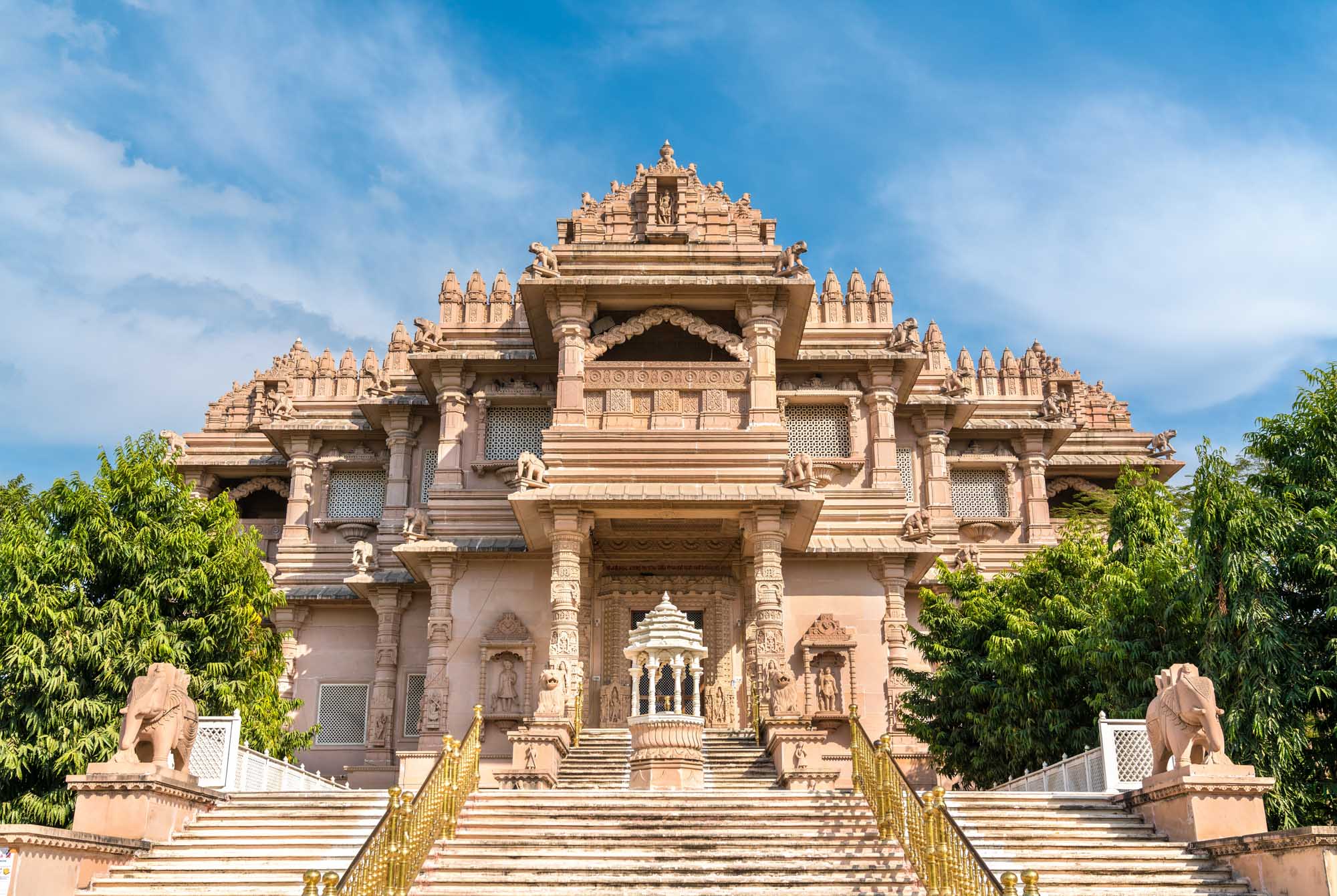
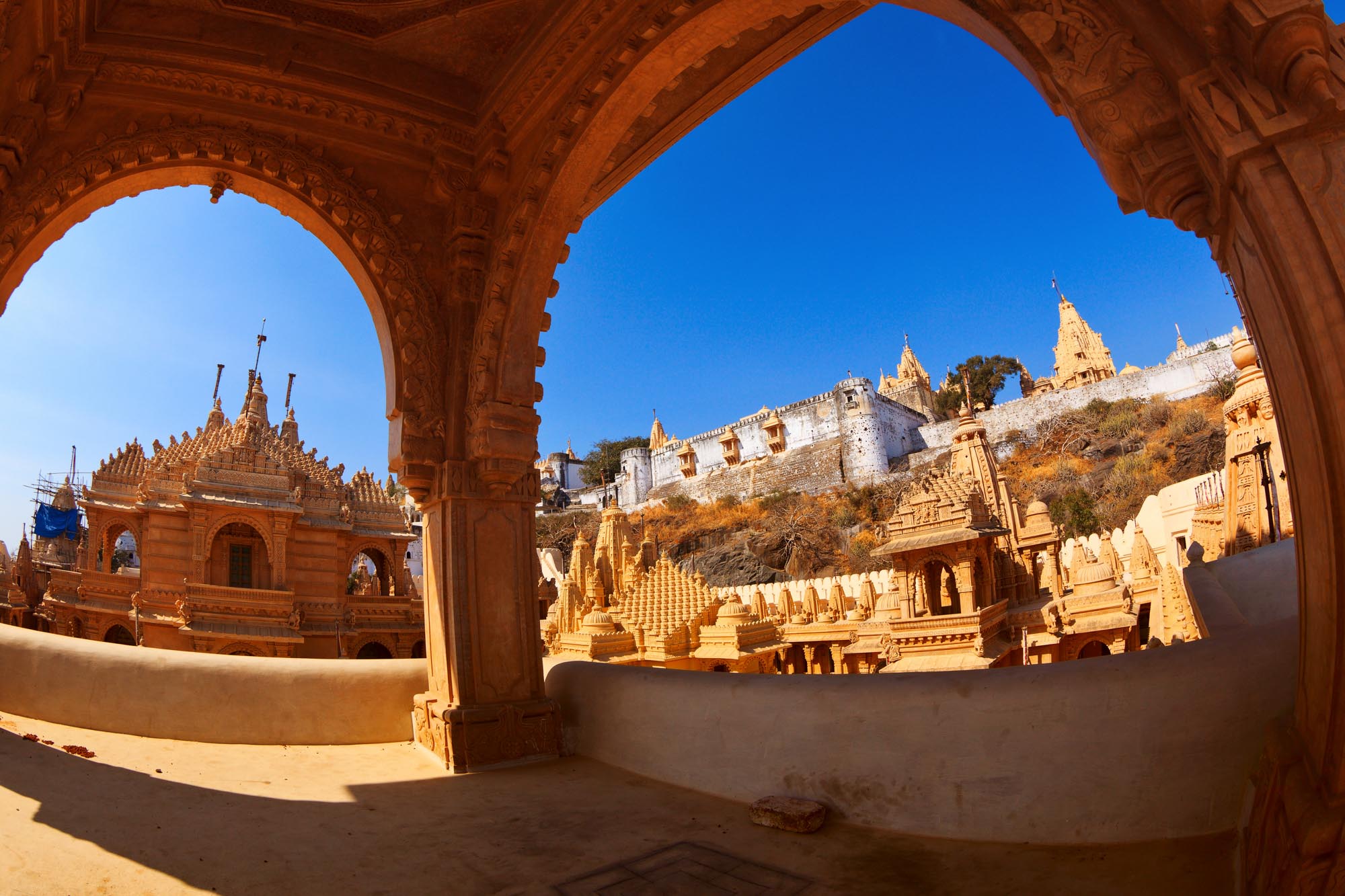
Our focus for the day will be on photographing some of the region’s most spectacular temples and cultural landmarks. Approximately one hour from Dasada lies the magnificent Modhera Sun Temple, often described as “Poetry in Stone” for its extraordinary architectural beauty and intricate craftsmanship. This historic monument offers endless photographic possibilities, from its detailed carvings and geometric patterns to the interplay of light and shadow across its ancient stonework. From there, we will continue to the Bahucharaji Temple, located just 20 minutes away. Dedicated to the Goddess Bahucharaji, this important Hindu pilgrimage site attracts devotees from across the region. Along the way, we will have numerous opportunities to photograph pilgrims engaged in prayer, worship, and moments of quiet devotion, creating powerful images that reflect the spiritual heart of India.
If circumstances permit, we will also attempt to photograph members of the Hijra community. Recognized in India as a third gender, the Hijra community occupies a unique place within the country’s social and cultural landscape. While often marginalized, they maintain a rich cultural identity and long-standing traditions. Should the opportunity arise, we will approach these encounters with respect and sensitivity, seeking to create meaningful images that tell authentic human stories.
Later in the day, we will turn our attention to the Agariya community, the traditional salt harvesters of the vast white expanses of the Rann of Kutch. For generations, Agariya families have worked in some of the region’s most challenging conditions, harvesting salt from the desert landscape. We will photograph men and women engaged in this demanding labor, capturing scenes that speak to perseverance, resilience, and an enduring connection to the land. These powerful visual stories often become some of the most memorable and emotionally compelling images of the entire journey. (B) (L)
Day 7 | Dasada - Bhuj - Kutch - Great Rann and Little Rann
After breakfast, we’ll depart Dasada for Bhuj, a journey of approximately five hours. Along the way, we’ll keep our cameras ready and make stops whenever interesting photographic opportunities present themselves.
The Kutch district boasts more than four thousand years of human habitation, resulting in a rich and complex history, particularly in and around its capital, Bhuj. The name “Kutch” is derived from the classical Sanskrit word for “island,” reflecting a time when the region was effectively isolated by water. In ancient times, the Indus River flowed into the sea through this area, submerging much of what are now the Ranns of Kutch. This created an immense shallow body of water that surrounded the region. In 1819, a major earthquake dramatically altered the landscape, causing the Indus to shift further west. Over time, the waters receded, leaving behind the vast saline deserts known today as the Great Rann and Little Rann of Kutch. During periods of heavy rainfall, portions of these salt flats still flood, creating temporary islands known locally as beyts, including Khadir Island.
Following India’s independence, Kutch became part of India, while neighboring Sindh became part of Pakistan. This geopolitical change separated Kutch from the important port of Karachi, leading to the development of Kandla as a major regional port. Over the years, territorial disputes between India and Pakistan involving sections of Kutch occasionally led to military tensions. Today, however, the region remains peaceful. The international border lies deep within the vast expanse of the Great Rann, where the harsh desert environment makes travel and movement extremely challenging. Despite this, the area continues to be closely monitored due to its strategic location.
After checking into our hotel in Bhuj, we’ll spend the remainder of the day exploring the area and preparing for the next two days of photography in Kutch. This will be an opportunity to familiarize ourselves with the region, discuss photographic goals, and get ready for the remarkable cultural and visual experiences that lie ahead. (B)
Day 8 | Bhuj - Ahir, Rabari, and Meghwal Tribes
Our highlight of the day will be photographing the Ahir, Rabari, and Meghwal tribal communities in their home environments. We will visit the villages of Hodka and Ludia, where we’ll have the opportunity to document traditional lifestyles and distinctive cultural identities that have been preserved across generations. The women of these communities are renowned for their striking appearance, adorning themselves with elaborate gold and silver jewelry, vibrant garments, and intricately embroidered traditional attire. Their rich visual heritage provides exceptional opportunities for portraiture and cultural storytelling.
The Rabari women are particularly recognizable for their heavy brass earrings, black full-length shawls, and traditional tattoos featuring symbolic motifs on their chests, necks, and arms. They are also celebrated for their extraordinary embroidery and beadwork. Rabari artisans create beautifully decorated clothing, bags, household items, and animal adornments, incorporating patterns that reflect important life events, cultural values, rites of passage, and historical stories. These intricate designs serve as a living record of tribal heritage, helping to preserve and pass down knowledge through generations in a community where oral traditions have long played a central role.
The Meghwal women are equally renowned for their artistic skills and exceptional embroidery. Their work features distinctive stitching techniques and decorative motifs, some of which bear similarities to embroidery traditions found in Afghanistan and the Hazara and Kandahar regions of present-day Pakistan. These influences hint at the historical cultural exchanges that have shaped the region over centuries, adding another fascinating dimension to their artistic heritage.
In the early evening, we’ll head out to the vast salt flats of the Rann of Kutch to photograph its shimmering white landscape. As the sun begins to descend, the desert transforms into an ethereal moonscape of light, texture, and reflection. Capturing this extraordinary environment in the soft glow of evening light promises to be one of the most memorable photographic experiences of the journey. (B)
Day 9 | Bhuj - Jat and Rabaria Tribes - Mandvi Beach - Boat Builders
We will have photography sessions that will focus on the Jat and Rabari tribes, followed by sunset photography at Mandvi Beach and the historic wooden boat-building shipyards.
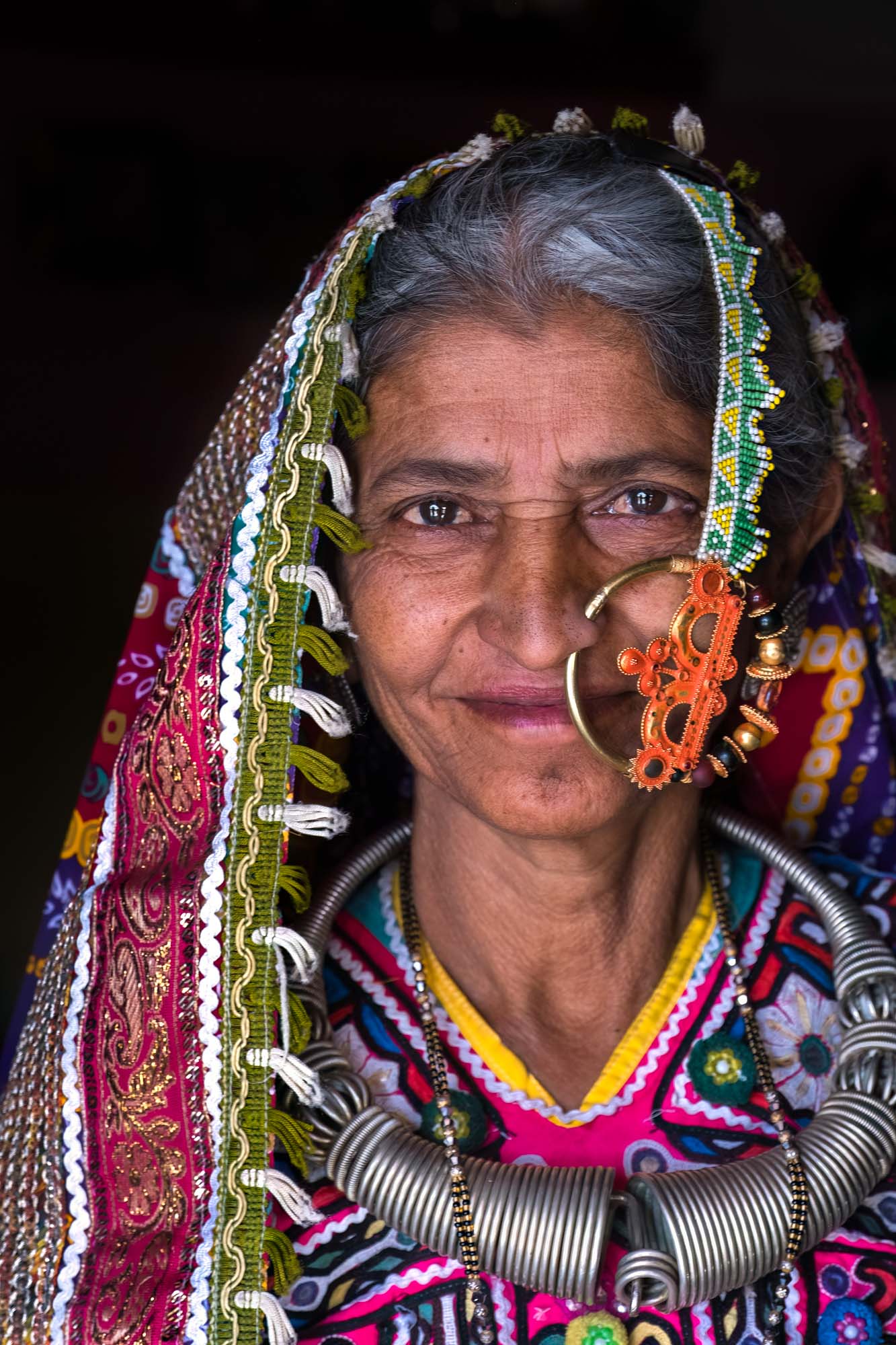
The Jat communities of the Kutch region are among the most visually distinctive tribes in Gujarat, known for their remarkable attire and extraordinary jewelry. A nomadic Muslim community traditionally engaged in cattle breeding, the Jats have traversed these arid landscapes for centuries in search of grazing lands for their herds. We will visit the village of Khowda, where we’ll have the opportunity to photograph Jat women dressed in their vibrant traditional clothing and adorned with stunning jewelry. Married women are especially recognizable for their large nose rings, which are supported by a strand of hair to help balance their weight. These unique adornments, combined with their striking attire, create exceptional portrait opportunities.
The streets of Bhuj will provide additional opportunities to photograph members of these fascinating communities in a more urban setting. If fortune favors us, we may also encounter the moving caravans of Rabari nomads as they travel with their families and livestock, including goats, camels, and cattle. These scenes offer a glimpse into a way of life that has endured for generations. Beyond its people, Bhuj itself possesses a distinctive character and historic charm, making it an excellent location for street photography, environmental portraits, and storytelling images that capture the spirit of the region.
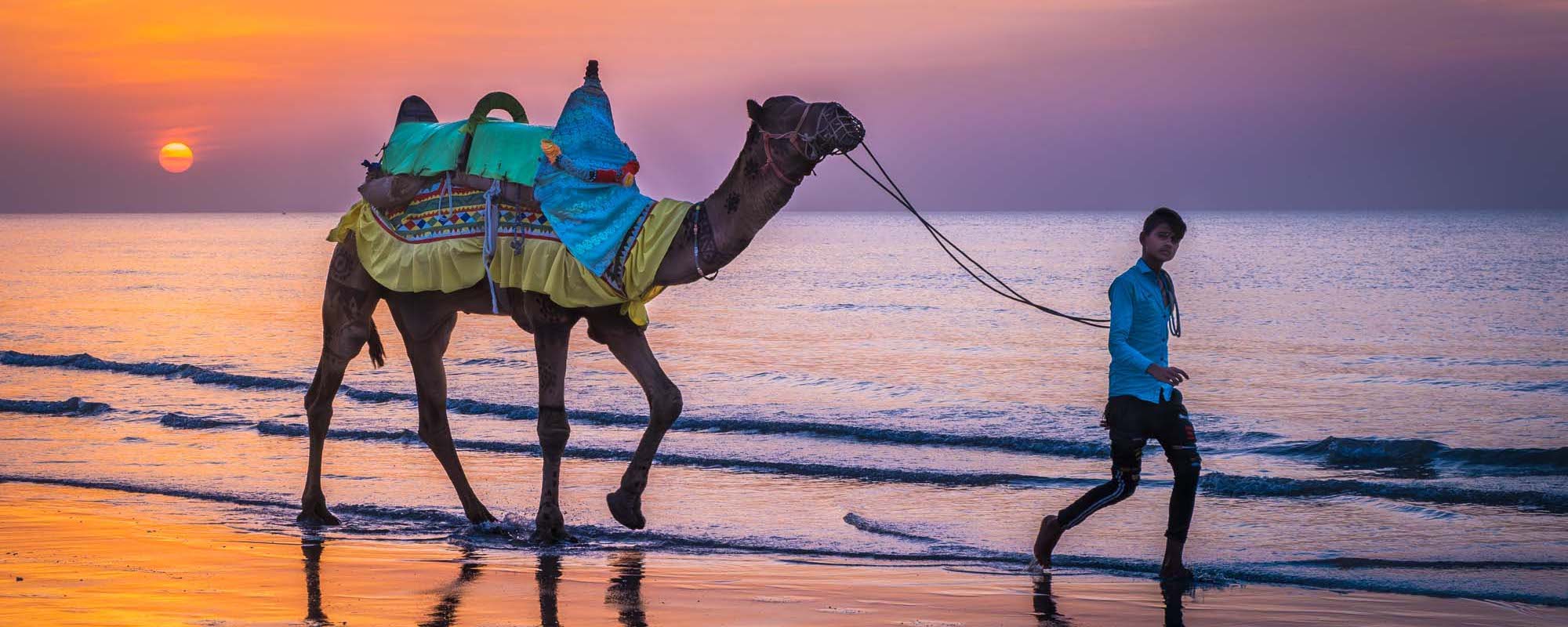
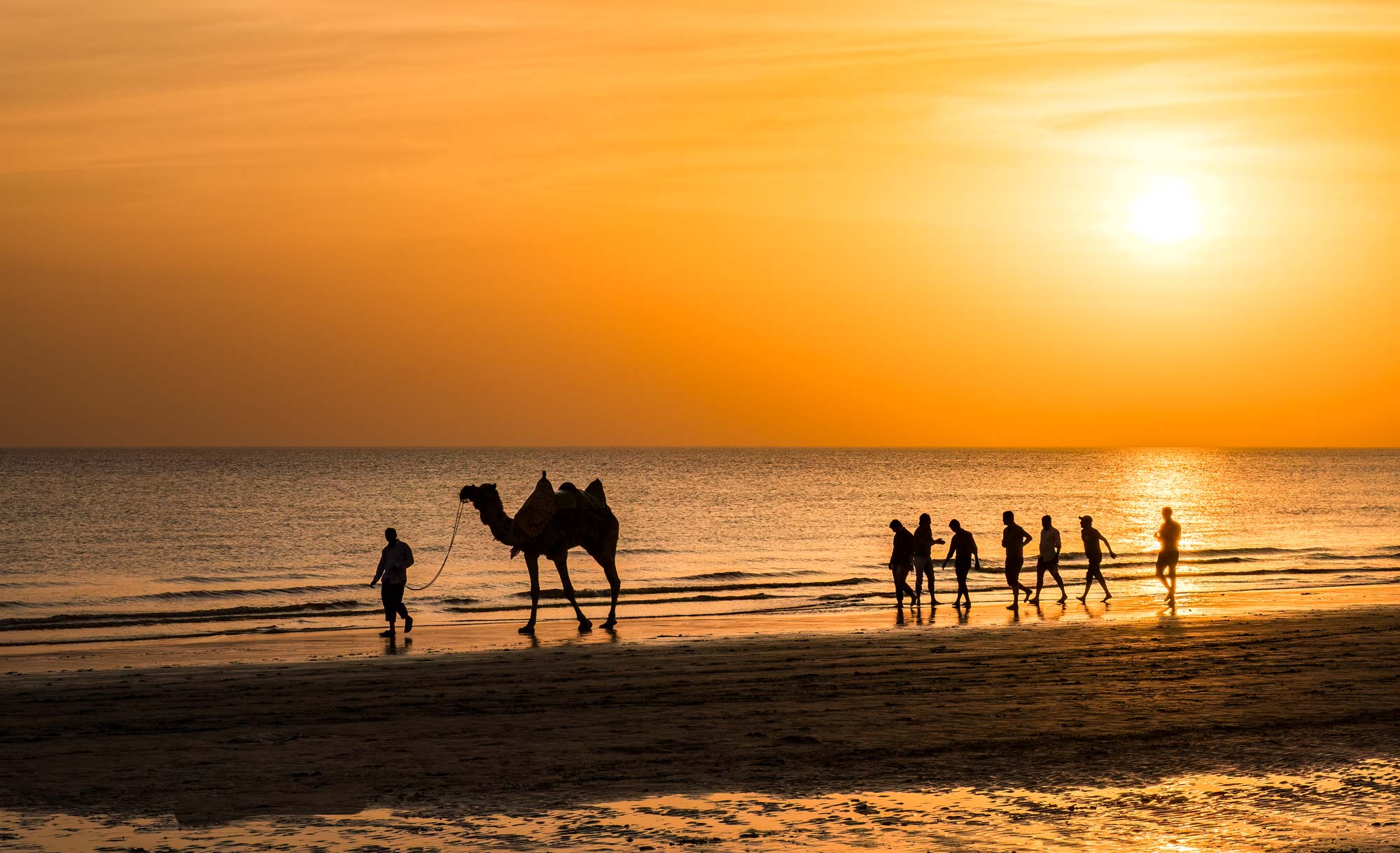
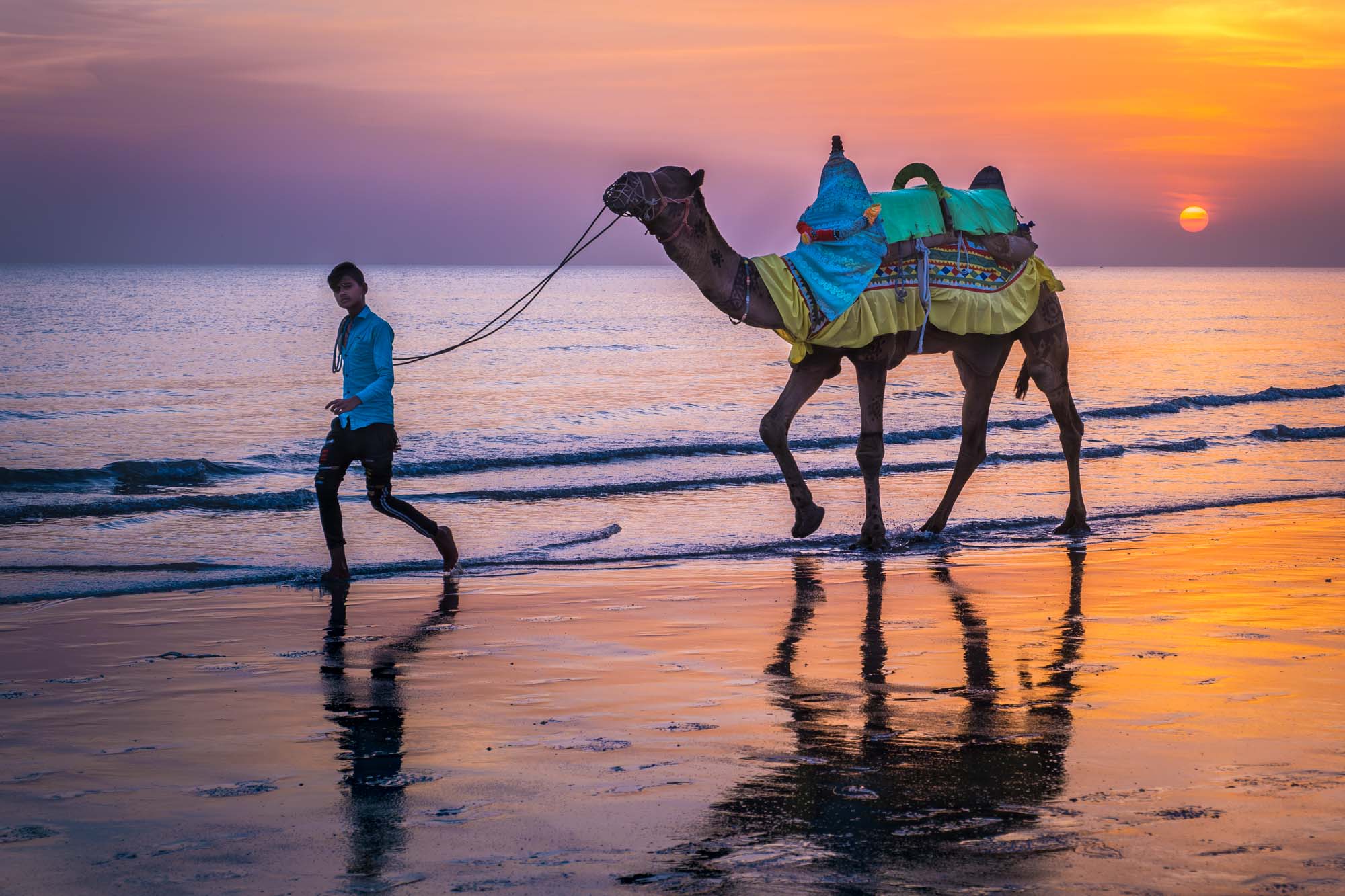
After lunch, we’ll make our way to Mandvi Beach, where we hope to enjoy a spectacular sunset over the Arabian Sea. The warm evening light, expansive shoreline, and ever-changing sky provide a beautiful setting for landscape photography and creative compositions.
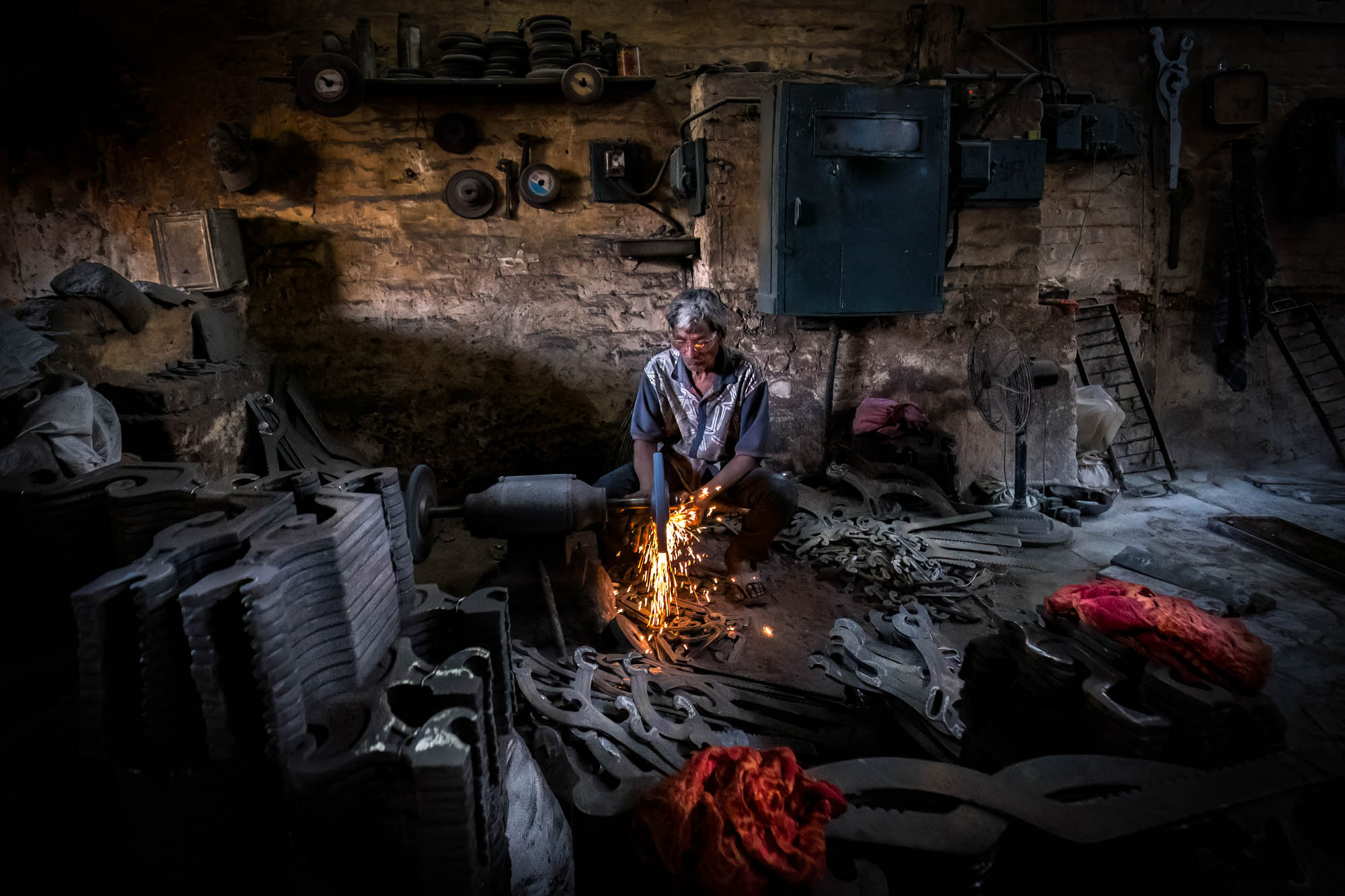
One of the true highlights of our Gujarat photography adventure is a visit to the famous wooden boat-building yards of Mandvi. Home to India’s largest wooden boat-building port, Mandvi has been at the center of maritime craftsmanship for centuries. Here, we will photograph skilled artisans at work constructing enormous wooden vessels using techniques that have been passed down through generations. As maritime trade flourished, members of the seafaring Kharva community—both Hindu and Muslim—developed expertise not only in navigation but also in the construction and repair of the vessels that supported regional commerce.
These traditional ships, known as dhows, continue to be built largely by hand using timber sourced from both local and international forests, including sal wood imported from Southeast Asia. Remarkably, many of the craftsmen responsible for these impressive structures have learned their trade through experience and apprenticeship rather than formal engineering education. Their skill, dedication, and craftsmanship offer compelling photographic opportunities and a fascinating glimpse into a centuries-old tradition that is gradually disappearing in the modern era.
After sunset, we’ll gather in Bhuj for a “Farewell Dinner”, celebrating the experiences, friendships, and photographic achievements of our unforgettable journey through Gujarat. (B) (L) (D)
Day 10 | Bhuj - Mumbai - Delhi (optional)
We will depart early in the morning for our flight to Mumbai, where we will connect onward to Delhi. Depending on your travel plans, you may choose to remain in Mumbai, depart internationally from Mumbai, or continue on to Delhi if your round-trip itinerary begins and ends there. Our guide will be traveling to Delhi and will be available to assist and escort guests making the connection.
If you plan to book a late-departure airport hotel room before your onward journey, please let us know which city (Mumbai or Delhi) you will be departing from so that appropriate arrangements can be made. (B)
EXTENSION: MUMBAI STREETS – 3 DAYS
Day 1 | Mumbai - Chhatrapati Shivaji Terminus, Gateway of India
Mumbai, formerly known as Bombay, is India’s largest city and one of the most dynamic urban centers in the world. A city of striking contrasts, it is home to dreamers and laborers, Bollywood hopefuls and business magnates, artists and artisans, fishermen and financiers. Here, immense wealth exists alongside some of the country’s most densely populated neighborhoods, creating a fascinating tapestry of cultures, communities, and stories. As India’s financial capital and cultural trendsetter, Mumbai is a city of relentless energy, diversity, and visual intrigue.
We’ll begin the day early, immersing ourselves in the rhythm of the city as it comes to life. Our focus will be the iconic Chhatrapati Shivaji Maharaj Terminus, Mumbai’s principal railway station and one of the city’s most recognizable landmarks. Grand, bustling, and perpetually alive with movement, this historic station offers endless opportunities for dynamic photography as commuters stream through its platforms and concourses. Outside, the station’s remarkable architecture commands attention. A masterpiece of Victorian Gothic design infused with Hindu and Islamic influences, it features an extraordinary blend of domes, turrets, spires, stained glass, and intricate stonework. Both architecturally and culturally significant, it stands as a powerful symbol of Mumbai’s colonial heritage and enduring spirit. (B)
Day 2 | Mumbai - Dharavi Slum - Mumbai Train Station
On Day 2, our focus will be on photographing Mumbai’s iconic railway network and the renowned Dharavi neighborhood, with the possibility of exploring additional nearby communities if time permits. Dharavi is often recognized as one of the world’s largest informal settlements, covering less than one square mile while supporting a population of approximately 700,000 residents. With one of the highest population densities anywhere in the world, it presents a fascinating and complex environment that challenges many common perceptions.
Our morning in Dharavi will be an immersive experience filled with powerful photographic and cultural opportunities. As we navigate its narrow lanes and vibrant neighborhoods, we’ll encounter a community defined not only by its density but also by its resilience, industry, and entrepreneurial spirit. The experience can be intense and emotionally impactful, offering moments that are enlightening, thought-provoking, humbling, and deeply human. Through respectful observation and photography, we’ll gain insight into the lives, aspirations, and daily realities of the people who call this remarkable place home. (B)
Day 3 | Mumbai - Departure
After breakfast, we’ll gather for a final review of our photographs and a discussion of the experiences, lessons, and memorable moments from our journey together. This is an opportunity to share favorite images, reflect on the adventure, and celebrate the creative growth achieved throughout the tour before we bid each other farewell.
We encourage you to extend your travels in the Indian subcontinent and continue putting into practice the photographic techniques and storytelling skills developed during this experience. With its extraordinary diversity of cultures, landscapes, and people, the region offers endless opportunities to create compelling images and further refine your craft long after the tour has concluded. (B)
(B) Breakfast, (L) Lunch, (D) Dinner, (E) Excursion
May all who come as guests... leave as friends®





OPTIONS AND BENEFITS
Pricing
All prices are per person and based on double occupancy. Please select single occupancy for a private room. For your convenience, we offer optional early arrival and late departure accommodations so you can extend your stay before or after the trip. We typically stay in boutique hotels in the 4-star category. Not all destinations offer these types of properties. We look for unique hotels which offer cultural, historic and/or authentic features. Depending on the size of the group, smaller boutique hotels may have limited room inventory. In some countries or in remote locations, we may be limited to lodges or branded chain hotels. Breakfast is included only if included in our room rates.
Private Guided Adventures
We offer amazing private guided photo adventures, cultural tours and vacations for individuals, couples, families and groups. We can customize any of our published adventures, as well as others, to meet your individual needs, schedule, budget and interests. This may include the finest 5-star accommodations, business-class travel, and private guides and fixers who are able to make the impossible possible. If you are not interested in a photo-centric vacation, but you love our approach to private travel, we will be happy to design and deliver an amazing adventure focused on travel, culture and cuisine. Click here to request a quote. Feel free to call us at 1-888-834-0288 or contact us for more information.
Travel Insurance
We offer travel insurance through the internationally recognized Travelex Travel Insurance Company, as well as evacuation and medical transportation insurance through MedJet, one of the best in the industry.
The cost for travel insurance can be as low as 4% of the total trip cost, depending upon age and other factors. Knowing you have trip cancellation coverage can make a big difference should you have to cancel for some unforeseen reason. Travelex Insurance Services is a BBB Accredited business with an A+ rating. Click here to learn more about why you should consider travel insurance.
Rewards Program
Start earning points today and SAVE up to $750 off a future trip!
Register for one of our photo adventures and begin earning points today!
How the program works
For every photo tour reservation you make with Photo Workshop Adventures, you earn valuable points, which you can redeem on your next trip. This is a great way to save on future trips. Points may be applied towards balance payments on your next trip, or you may choose to accumulate points for a free trip in the future.
ORANGE REWARDS
On most Photo Tours and Adventures, you earn 4 points for every dollar you spend. You begin earning points immediately with your first trip. A $11,995 spend earns 47,980 points with a value of $480 USD.
VIP GUESTS
VIP Guests (guests who have registered for eight or more trips) begin earning double points, or eight points, for every dollar spent. A $11,995 spend earns 95,960 points with a value of $960 USD.
Additional VIP Benefits:
- Advance notification of upcoming adventures and special offers
- Receive complimentary airport transfers at certain destinations
Redeeming your points
Redeeming your points couldn't be easier. You can always log in to your account to check your points balance. When you are ready to book your next trip (scheduled to depart before your points expire), register and pay your deposit. When you pay your balance, you'll be given the option to apply your points and receive a discount.
*Points may be applied towards balance payments on your next trip, or you may choose to accumulate points for a free trip in the future. Points are awarded only after a trip is completed. Points expire after two years if no new trip is booked and paid for in your account. Points cannot be exchanged for cash and have no cash value. Points cannot be transferred or gifted. Points cannot be applied to any discounted photo adventures, and discounted photo adventures cannot earn points. Points and redeeming points are only available for 5-day or longer photo tours. Points and points redemption are unavailable on private photo tours, photo day tours, low-cost 4-day or less photo tours, online lectures, tutorials, PWA products, and NYC photo tours.
THINK ORANGE Magazine

Subscribe to our Think Orange Magazine and eNews. THINK ORANGE is a wonderful mix of stories and tips related to travel, photography, adventure, culture, art, technology, cuisine, lifestyle, people and more. Our objective is to immerse you in a world you may only fantasize about. Raise your awareness and inspire your creativity. Perhaps even help make you a better photographer. We deliver similar experiential experiences that our guests enjoy on our photo adventures. Like all of our adventures, our blog is “photo-centric”, while also allowing you to experience all the nuances and cultural aspects of travel and adventure. Welcome to our world. We hope you enjoy. Our eNews is a great way to receive information about upcoming photo adventures, exciting new destinations, photography tips, special offers and more. Subscribe today!
Gift Cards
Give someone you know a Gift Card, good toward any of our Photo Adventures, Photo Tours, Private Guided Tours, Online Courses, Prints or Merchandize. Our beautifully personalized eGift Cards and Certificates are delivered to you electronically. They are fully transferable and have a 2 year expiration date. They are available in any amount from $100 to $5000. It makes a great gift for anyone who loves photography, travel or adventure. Order now, or email for more information.