Photograph The Hidden Beauty of Angola
When most people think of Angola, very little comes to mind. That’s because it is not a country that dominates travel conversations, and it rarely finds its way onto the usual lists of must-see destinations. For many, it remains a blank space on the map, somewhere distant, unfamiliar, and easy to overlook.
But that is exactly where the story begins. Because Angola is not a place you visit for what is already known. It is a place you come to discover what still remains unseen, where the experience is shaped not by famous landmarks, but by the people, the land, and the quiet moments in between.
Our Angola Photo Tour (August 26 – September 10, 2027) takes you to the hidden beauty of this incredible country in Africa. Over 16 days, you travel deep into its southern regions in a small group of just 4 to 8 fellow photographers, moving slowly, observing closely, and allowing each day to unfold without expectation.
Where Tradition Is Lived
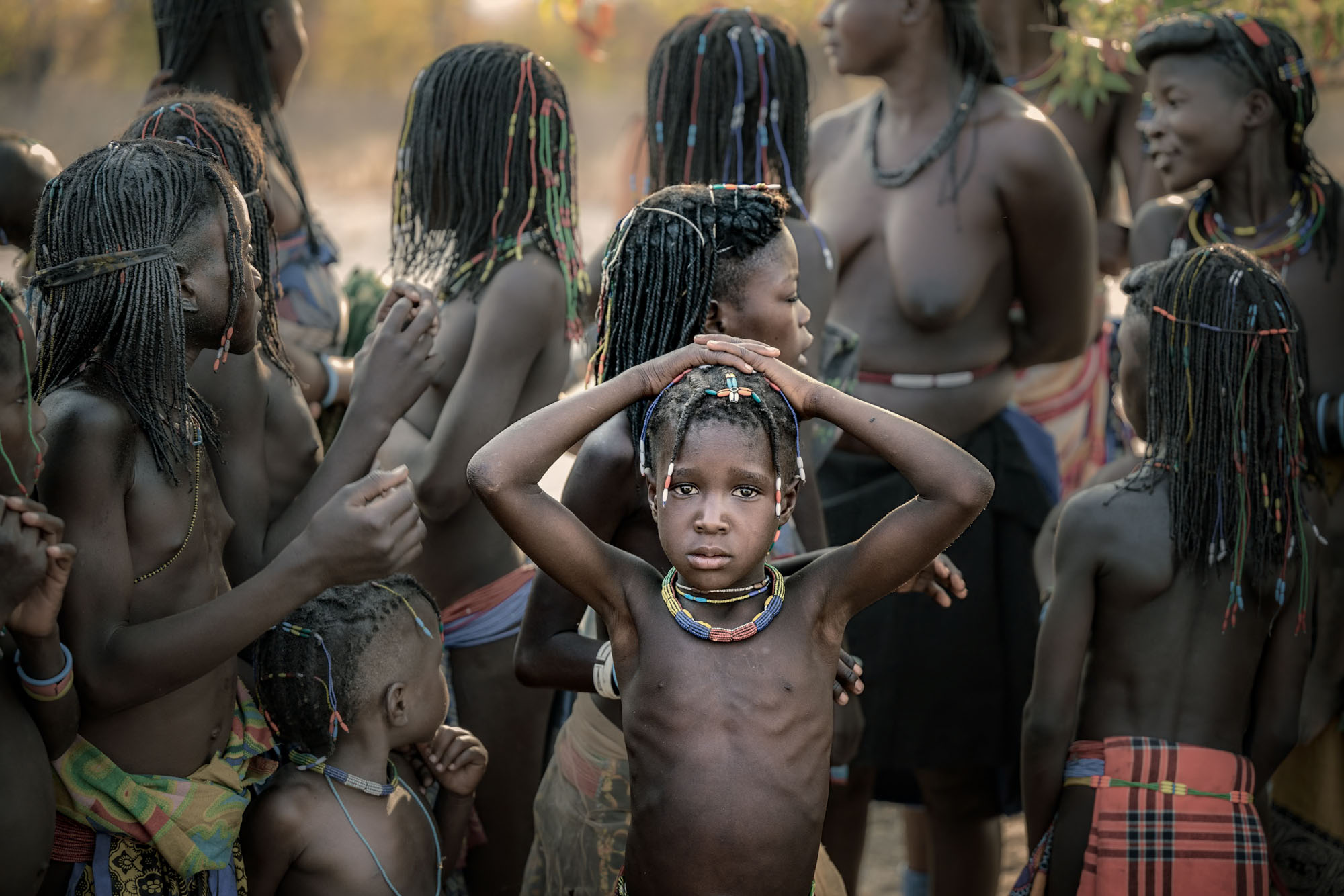
Most places you visit will show you their culture. Angola does not present it in that way. You step into it quietly, without introduction, and begin to notice it in the details. The way people move, the way they gather, the way each day unfolds without interruption. As a photographer, you quickly realise that nothing here is arranged for you, and that changes how you approach every frame.
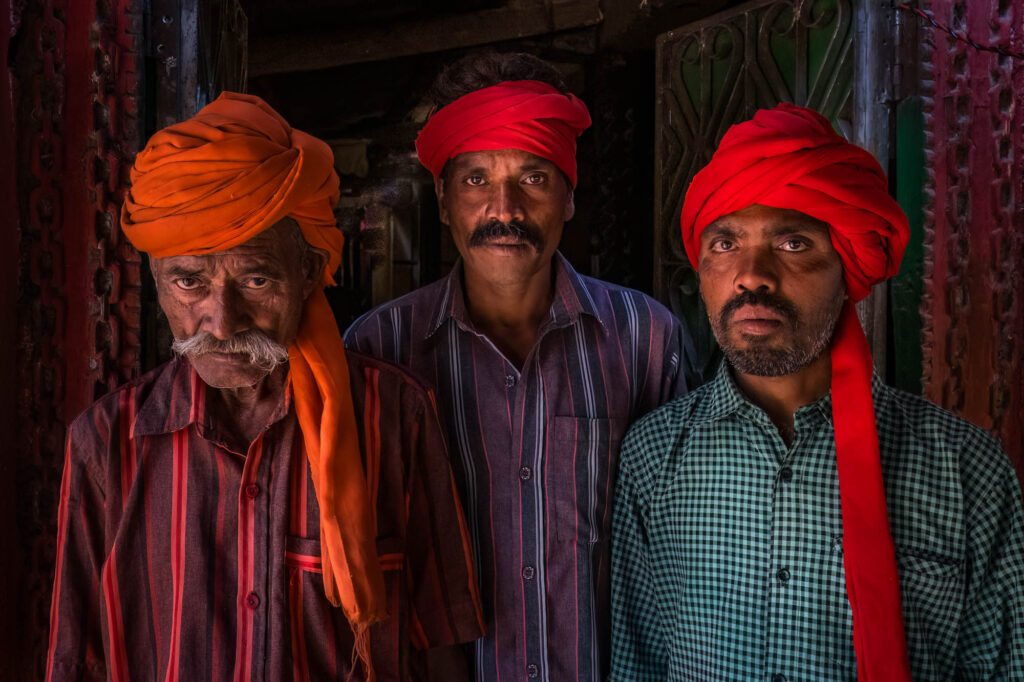
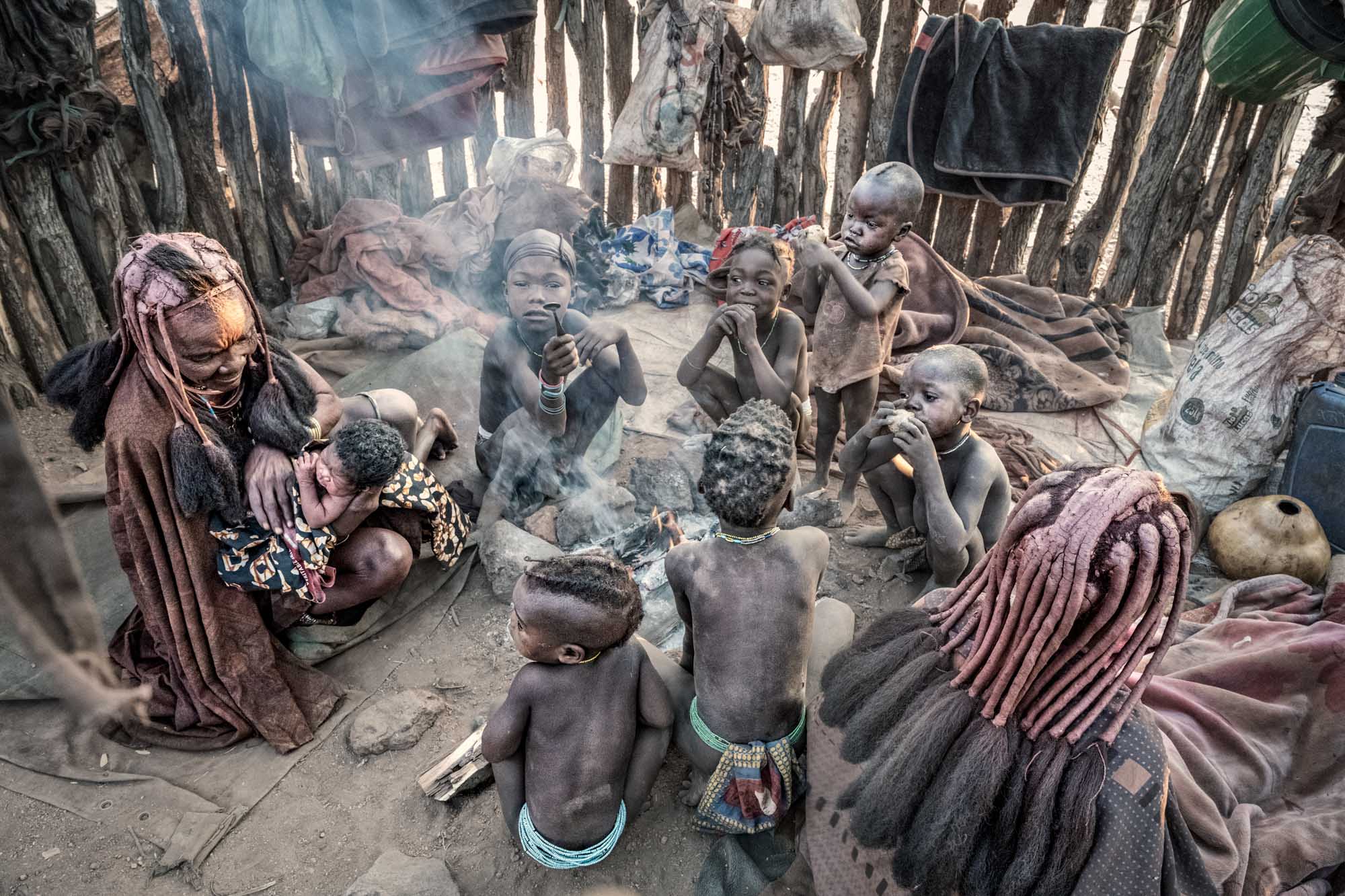
In the southern regions, you spend time with tribal communities such as the Ovahimba, Ovadhimba, Ovahakaona, and Ovamwila, each one carrying traditions that have been passed down over generations and are still visible in everyday life.
You see it in their intricate hairstyles, shaped with care and meaning, in the textures of ochre against skin, and in the adornments that reflect identity, age, and belonging. These are not details you rush through. You take your time, because each one tells a story worth understanding.
What stays with you is not just how they look, but how naturally everything exists. There is no sense of performance, no awareness of being observed. You are simply present, watching moments unfold as they always have. And in that space, you begin to create images that feel honest, images that could not have been taken anywhere else.
Where the Land Changes the Way You See
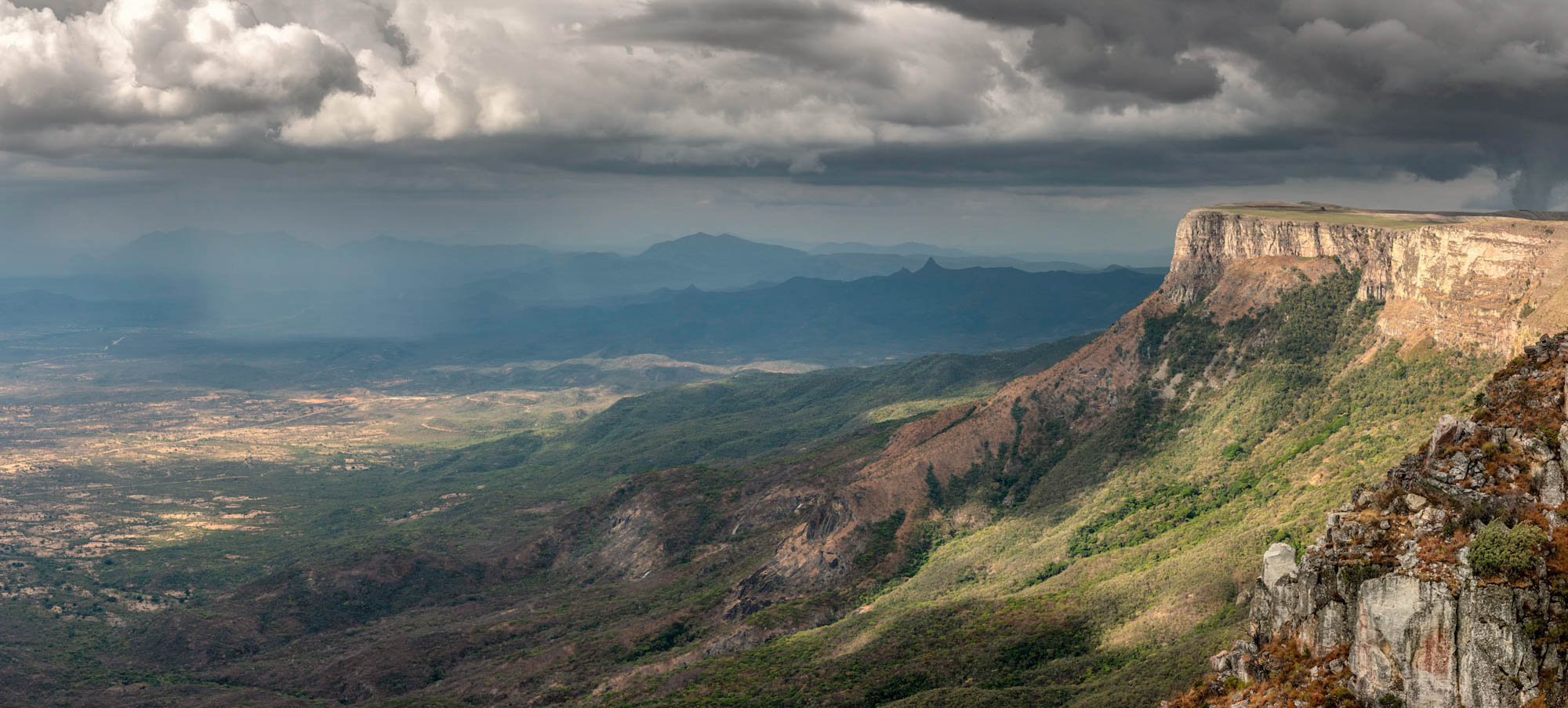
Just as you settle into the rhythm of photographing people, the landscape begins to shift your attention. Angola does not hold a single identity when it comes to its terrain. One moment you are grounded in the presence of a village, and the next you are standing before a vast expanse that feels completely removed from it. This constant change forces you to adapt, to look again, and to approach each scene with a fresh perspective.
The Chela Mountains rise with a quiet strength, shaping the horizon in a way that draws your eye without distraction. You find yourself waking early, watching how the first light moves across the slopes, waiting for that brief moment when shadow and form come together in balance. Then there is the Tundavala escarpment, where the land drops away so dramatically that you pause before even lifting your camera, taking in the scale before deciding how to frame it.
Further along, the coastline of Iona National Park feels almost untouched, where desert meets ocean in a way that strips everything back to its simplest form. Here, you begin to see differently. You focus less on complexity and more on shape, contrast, and space.
Each of these places asks something new from you, and with every shift in the land, you start to refine not just what you photograph, but how you choose to see.
A Journey Built for Those Who Want More from Their Photography
Not every trip gives you the space to work the way you want. Here, everything is shaped around how you experience and photograph each moment. With a group of only 4 to 8 guests, you are not moving through locations in a rush or waiting for your turn to shoot. You have the freedom to take your time, to change your position, and to stay with a scene until it feels right. That alone changes the kind of images you come away with.
You also begin to notice the difference that comes from travelling with people who see the world in a similar way. Conversations are quieter, more focused, often centred around light, composition, or a moment that just passed. You pick up on ideas, adjust your approach, and start to see opportunities you may have overlooked on your own.
Being in such remote parts of Angola removes distraction. There is no pressure to keep moving, no constant noise pulling your attention away. You stay present, you look longer, and you begin to recognise the kind of moments that cannot be repeated.
And somewhere along the way, it becomes less about building a collection of images, and more about reconnecting with why you started photographing in the first place.

A Place Many Will Miss, But You Should Not
Angola is not a destination most people will consider. It asks for time, for patience, and for a willingness to step into the unfamiliar, which is often enough to turn travellers away before they even begin. But if you are someone who looks for meaning in what you photograph, that is exactly what makes this place worth your attention.
Here, you are not chasing what has already been seen. You are stepping into something that still feels honest, where culture continues without interruption and where the land offers scenes that are both quiet and striking at the same time. It is the kind of experience that stays with you long after you leave, not just through the images you capture, but through the way it shifts how you approach your work.
If this is the kind of tour you have been searching for, then it may be time to look a little closer. Take a moment to explore our Angola Photo Tour (August 26 – September 10, 2027) destination page and see if this is a story you want to be part of.