
A Photographer’s Guide to Traveling with Lithium Batteries
For photographers, batteries are every bit as essential as cameras, lenses, and memory cards. Whether you’re powering a mirrorless camera during a sunrise shoot, keeping a drone airborne above a dramatic landscape, or relying on a power bank during a long travel day, lithium batteries have become an indispensable part of modern photography.
However, recent changes to international aviation regulations are introducing new rules for traveling with lithium batteries, including power banks and other portable power devices. While these updates are designed to enhance passenger safety, they may also affect how photographers pack and travel with their gear.
The good news is that most photographers will still be able to travel with their camera batteries, drone batteries, laptops, and charging equipment without major disruption. The key is understanding the latest requirements before arriving at the airport. A little preparation can help you avoid delays, prevent confiscated equipment, and ensure you’re ready to focus on what matters most—capturing incredible images on your next adventure.
Here’s what every traveling photographer should know about the latest lithium battery regulations and how they may impact your future travels.

What Has Changed? Understanding the New Lithium Battery Rules
In response to growing concerns about lithium battery incidents onboard aircraft, international aviation authorities have introduced updated guidelines designed to improve passenger safety. While lithium batteries remain safe for everyday use, damaged or improperly handled batteries can overheat and, in rare cases, catch fire. Because of this risk, regulators and airlines around the world are taking a closer look at how these devices are transported.
One of the most significant changes affects power banks, which many photographers rely on while traveling. Under the new international guidance, passengers are generally limited to carrying a maximum of two power banks, and these devices must be transported in carry-on luggage rather than checked baggage. In addition, passengers are no longer permitted to recharge power banks during flights, a measure intended to further reduce potential safety risks.
These changes are part of a broader effort to standardize lithium battery safety across the aviation industry. However, it’s important to remember that individual airlines may adopt additional restrictions or implement the rules slightly differently. As a result, photographers should always review their airline’s battery policy before departure, especially when traveling internationally or with multiple electronic devices.
While the new regulations may require a bit more planning, they are not intended to prevent travelers from bringing essential photography equipment. Instead, they encourage safer transport practices that help protect passengers, crew members, and valuable gear alike.
What Do These Rules Mean for Photographers?
For most photographers, the new regulations won’t require major changes, but they do make it more important to understand how your equipment should be packed and transported. The good news is that standard camera batteries, laptop batteries, and many drone batteries remain permitted on flights when carried correctly.
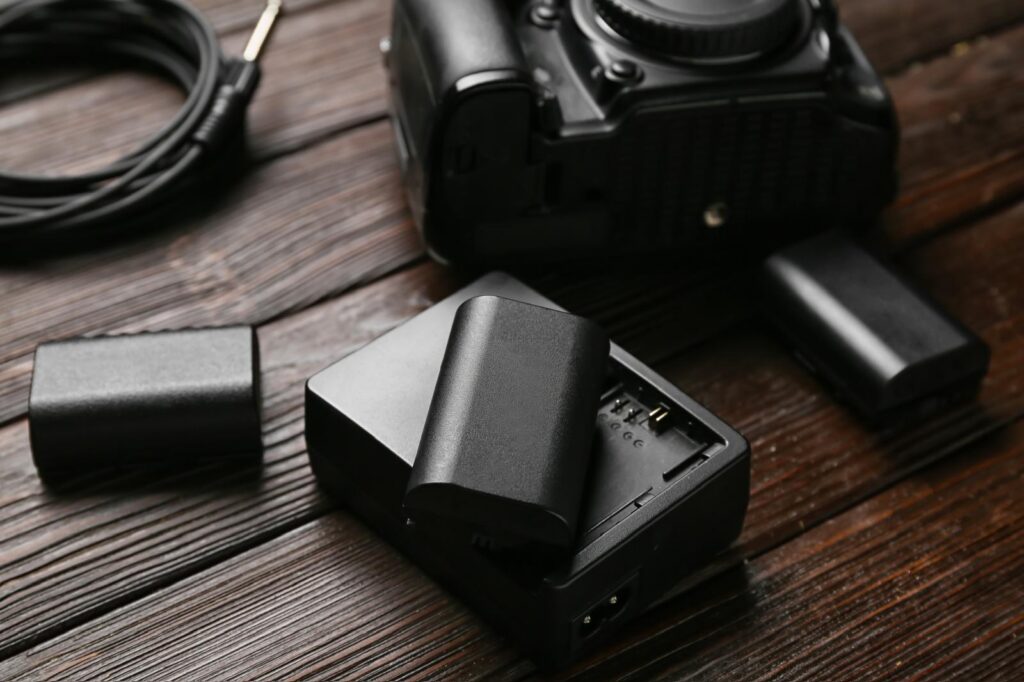
Spare camera batteries should always be packed in your carry-on luggage and protected from damage or accidental short circuits. Using battery cases or protective covers is a simple way to keep them safe while traveling. Fortunately, most batteries used in mirrorless and DSLR cameras fall comfortably within the limits accepted by airlines.
Drone photographers should pay particular attention to battery specifications before departure. While many recreational drone batteries are allowed, larger batteries may be subject to additional restrictions or require airline approval. Taking a few minutes to check the watt-hour (Wh) rating on your batteries can help prevent unexpected issues at the airport.
Power banks deserve special consideration. Many photographers rely on them to keep phones, tablets, cameras, and other devices charged throughout the day. Under the updated guidance, these devices must remain in carry-on luggage and may be subject to quantity limits depending on the airline. If you typically travel with multiple power banks, it is worth reviewing your airline’s policy well in advance of your trip.
Ultimately, the safest approach is to think of lithium batteries as an important part of your travel preparation. Knowing where they should be packed, how many you can carry, and whether any approvals are required can help ensure a smooth journey from check-in to arrival.
Five Simple Ways to Avoid Problems at the Airport
A little preparation before your trip can go a long way toward ensuring a smooth travel experience. Rather than scrambling to understand battery regulations at the check-in counter or security checkpoint, photographers can take a few simple steps to avoid unnecessary delays and complications.
First, always check your airline’s battery policy before departure. While international guidelines provide a general framework, individual airlines may have their own requirements regarding power banks, spare batteries, and larger battery packs.
Second, keep all spare lithium batteries and power banks in your carry-on luggage. These items should never be packed in checked baggage unless specifically permitted by the airline. Keeping them with you also allows airline staff to respond quickly in the unlikely event of a battery-related incident.
Third, protect your batteries during transport. Battery cases, terminal covers, or even a small piece of tape over exposed contacts can help prevent accidental short circuits and reduce the risk of damage while traveling.
Fourth, familiarize yourself with the watt-hour (Wh) rating of your camera, drone, and power bank batteries. This information is usually printed on the battery itself and can help you quickly determine whether your equipment falls within airline limits.
Finally, if your carry-on bag is unexpectedly gate-checked, remember to remove any spare batteries and power banks before handing it over. This simple step is often overlooked and can save significant inconvenience later.
By following these practical guidelines, photographers can travel with confidence, knowing their equipment is packed safely and in accordance with the latest regulations.

Travel Smart and Focus on the Photography
While the new lithium battery regulations may require a little extra planning, they shouldn’t discourage photographers from exploring the world with their cameras. Most travelers will still be able to carry their essential photography gear, including camera batteries, drone batteries, laptops, and power banks, provided they follow the latest guidelines and airline requirements.
The key is preparation. Taking a few moments to review your airline’s battery policy, check your battery ratings, and pack your equipment correctly can help prevent unnecessary delays and ensure a smoother travel experience from departure to arrival.
At the end of the day, these regulations are designed to make air travel safer for everyone. With the right knowledge and a little planning, you can spend less time worrying about airport procedures and more time focusing on what truly matters—capturing memorable images, discovering new destinations, and enjoying the journey.
Ready for your next photography adventure? Explore our upcoming photo tours and find the destination that inspires you most. Whether you’re drawn to vibrant cultures, dramatic landscapes, wildlife encounters, or street photography experiences, there’s a photographic journey waiting for you. Browse our tour schedule and choose the adventure that best suits your interests and travel dreams.