The Lavender Fields of Provence – Origins in Antiquity
Story by Laurie Cohen
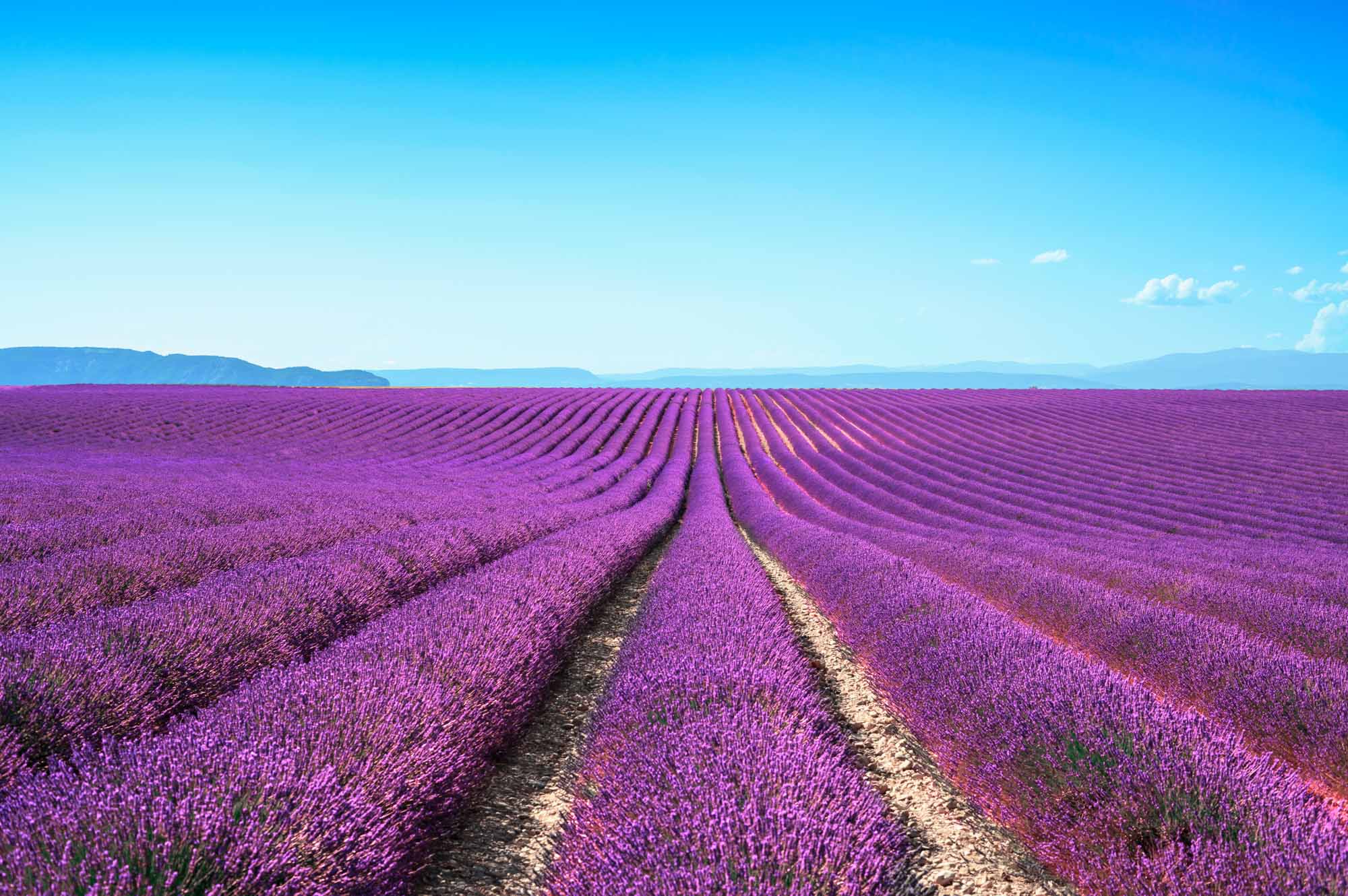
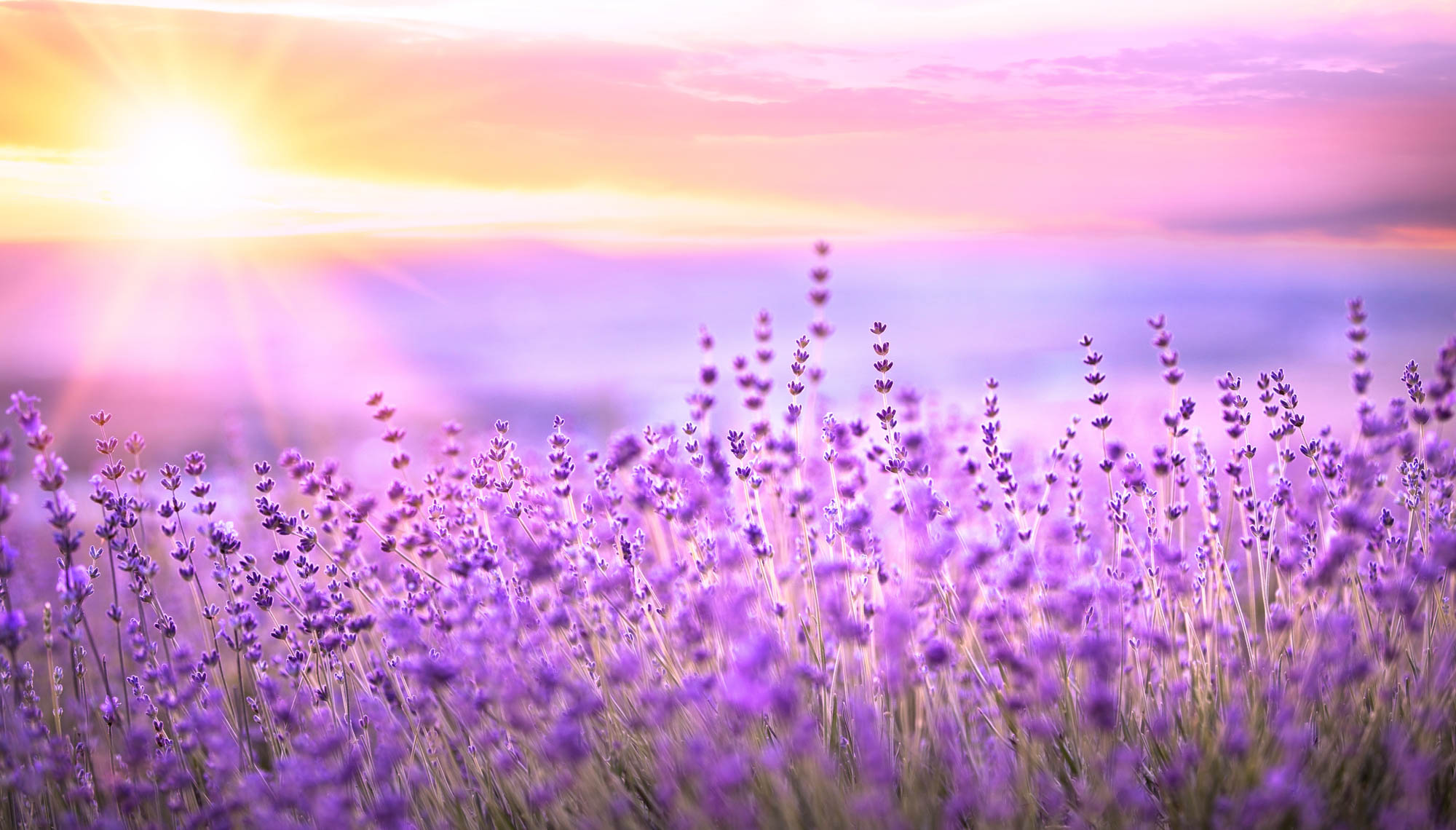
Even before you arrive at the spectacular lavender fields of Provence, you will know you are getting close. The unmistakable fragrant scent of lavender head down the rolling hills and valleys wash over you like a purple wave.
Beyond the sheer beauty and soothing scent, the lavender fields of Provence are woven into the fabric of traditions, culture and the economy of this region of Southern France, and is an iconic treasure synonymous with Provence. We trace its origins, rise in popularity, and its lasting significance to this day.
Roots in Antiquity – Lavender’s Early Beginnings
Stretching back thousands of years, the lavender plant of Provence is native to the Mediterranean basin, but was cultivated extensively by the Romans that conquered the region. The Romans prized the lavender for its aromatic and medicinal properties.
Used in baths, for healing wounds and to scent their homes, the word lavender comes from the Latin word “lavare”, meaning “to wash”, such was its importance when used in cleansing rituals.
Following Roman times, lavender continued to grow wild across the rocky hills and plateaus in the region. However, it wasn’t yet the cultivated crop that we associate with Provence today. That transformation came much later.
The Middle Ages to the Renaissance – From Wild Flowers to Cultivated Crop
During the Middle Ages, lavender was embraced by monks and herbalists who recognized its healing properties. Used to ward off disease, repel insects, and as an ingredient in potions and perfumes. Cultivation became more prominent, although still modest in comparison to the vast purple fields we see today.
During the Renaissance Period, lavender began to gain social and economic importance. Now trade began to develop, compared to its original personal use. The essential oils extracted from the plant found their way to perfumeries and medical remedies across Europe. This period marked the beginnings of lavender as a commercial crop to the region.
The 19th Century – The Lavender Boom
The real turning point for lavender in Provence came in the 19th Century. The advance of distillation techniques allowed farmers to efficiently extract high quality essential oils. This innovation sparked a boom in lavender farming, particularly in the high regions of the Luberon and Valensole Plateau, where the plants thrive in the dry, sunny climate.
During the 19th Century, lavender fields spread rapidly, becoming a vital part of the economy. Demand for lavender oil surged well outside the borders of France, driven by its use in perfumery, cosmetics and household products. Towns like Sault and Valensole grew famous for their breathtaking purple fields, attracting visitors and traders alike.

Lavender in Culture and Tradition – An Inspiration in the Art World
Today, lavender is more than just a crop. It’s a cultural emblem of Provence. The plant’s deep purple blossoms and sweet scent have inspired countless artists and writers, embedding themselves in the region’s identity. Festivals dedicated to lavender celebrate the harvest and the heritage surrounding it, with traditional music, crafts, and an abundance of lavender products.
Locals often use lavender in cooking, infusing dishes with its delicate floral notes. It is also a staple ingredient in “herbs de Provence”, the famous herb blend that captures the essence of the countryside.
Modern day – Lavender as a Global Symbol
Today, lavender remains a cornerstone of Provencal agriculture and tourism. Sustainable farming practices are increasingly common, ensuring the preservation of these beautiful landscapes for future generations. Lavender tourism flourishes, while travelers flock to see the fields in full bloom, typically from late June to early August.
Provence lavender products, including essential oils, soaps, sachets, honey and more, are renowned worldwide. Provence has successfully protected it’s lavender heritage through geographic indications, guaranteeing authenticity and quality. The combination of a unique climate, rich soil and centuries of tradition, results in a region and flower that are inseparable.
Join Us in the South of France!
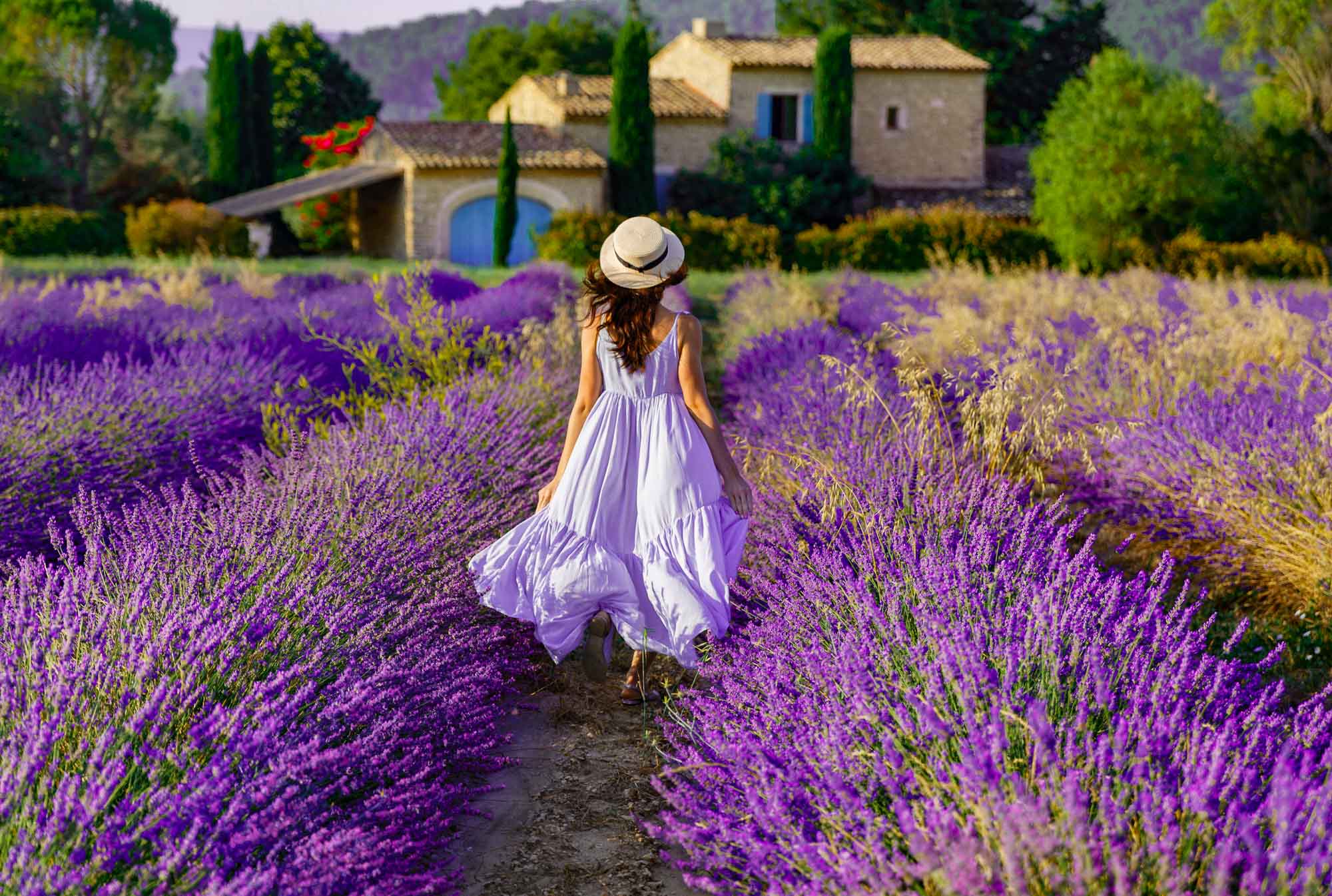
Our PWA Provence Photo Workshop takes us to the heart of this emblematic region during the height of the lavender blooms. Our next Provence Workshop runs from July 10-16, 2026, and spaces are limited. For guests that wish to extend their stay in the South of France, we will be running add-on workshops to the Cote d’Azur and the Horses of the Camargue. For more information, please click on the links below.