Traveling to Europe Soon? Expect a Change at the Border
If you’re planning a trip to Europe, there’s an important change you should know about before you arrive.
The European Union has introduced a new digital border system called the Entry/Exit System (EES). It replaces traditional passport stamping with biometric registration. While this is designed to make travel more efficient in the long run, the rollout phase is currently causing longer wait times at major airports.
Understanding how it works, and what to expect, can help you avoid unnecessary stress and delays.
The Reality Right Now
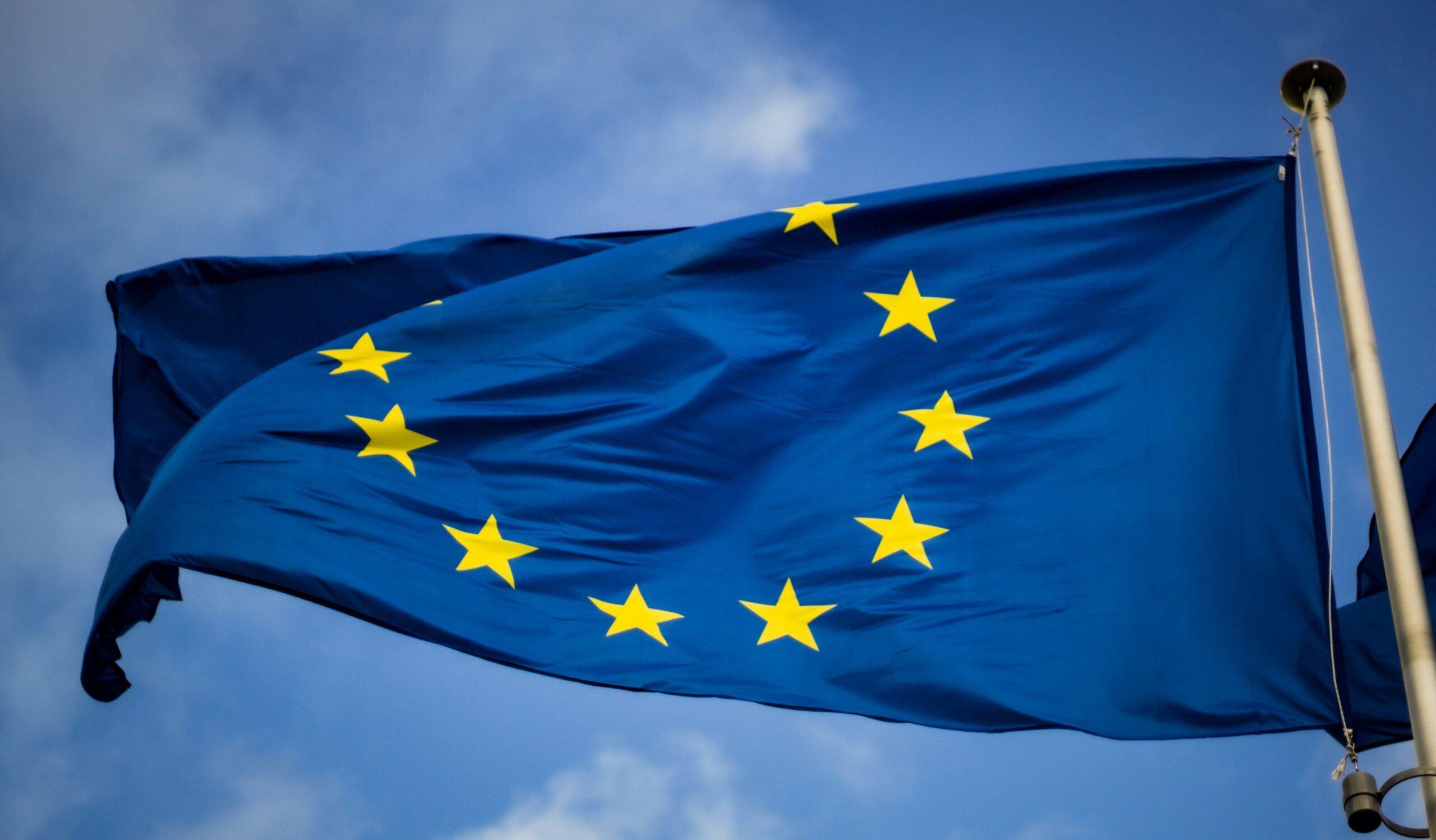
Since April 10, 2026, the European Union (EU) has begun rolling out its new biometric border system, known as the Entry/Exit System (EES). It’s designed to modernize travel into Europe, but in these early weeks, the experience hasn’t been seamless.
At major airports like Charles de Gaulle Airport, Frankfurt Airport, Amsterdam Airport Schiphol, and Adolfo Suárez Madrid–Barajas Airport, queues have stretched to three or even four hours.
Some travelers have already missed flights. In one case, over 100 passengers were left behind in Milan. In another, dozens missed a UK-bound departure while still in line.
This isn’t meant to alarm you, but to prepare you. Because with a bit of awareness, you can move through it far more smoothly.
What is the EES?
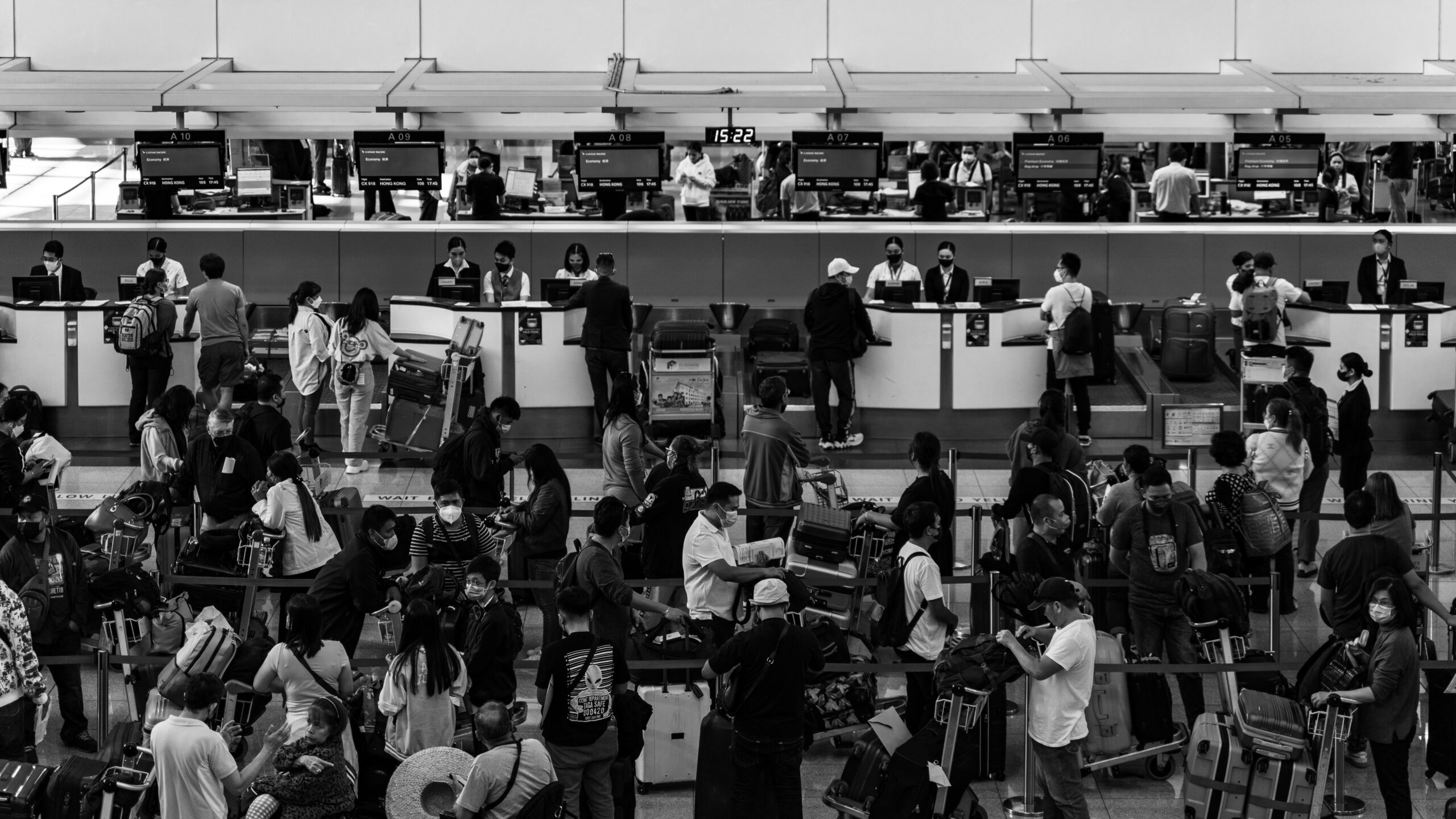
The Entry/Exit System (EES) is the EU’s new digital border control process for non-EU travelers entering the Schengen Area.
Instead of traditional passport stamps, the system records:
- Your biometric data (facial image and fingerprints)
- Your passport details
- The time and place of entry and exit
It’s a shift toward a more secure, automated system, and once you’re registered, your future entries into Europe become significantly faster.
But that first interaction? That’s where most delays are happening right now. If you’re joining one of our photo tours in Europe, your focus should be on light, landscapes, and the quiet unfolding of a place—not standing in an airport queue wondering if you’ll make your flight.
So, here’s what actually helps.
How to Prepare (and Travel Smarter)
1. Arrive Earlier Than You Think
For any flight departing from the Schengen Area, plan to arrive at least three hours in advance. And if you’re flying out of cities like Lisbon, Porto, Faro, Milan, or Brussels, give yourself four hours. It may feel excessive, but right now, it’s the difference between calm and chaos.
2. Pre-Register Using the App
If you’re traveling through Sweden or Portugal, you have an advantage. The official Travel to Europe app allows you to pre-register your passport details and facial image before arrival. This can reduce the time spent at the border.
You can download it here:
- For Apple users, click here.
- For Android users, click here.
A small but important detail: you can only submit your travel information within 7 days of your arrival.
3. Look for the Self-Service Kiosks
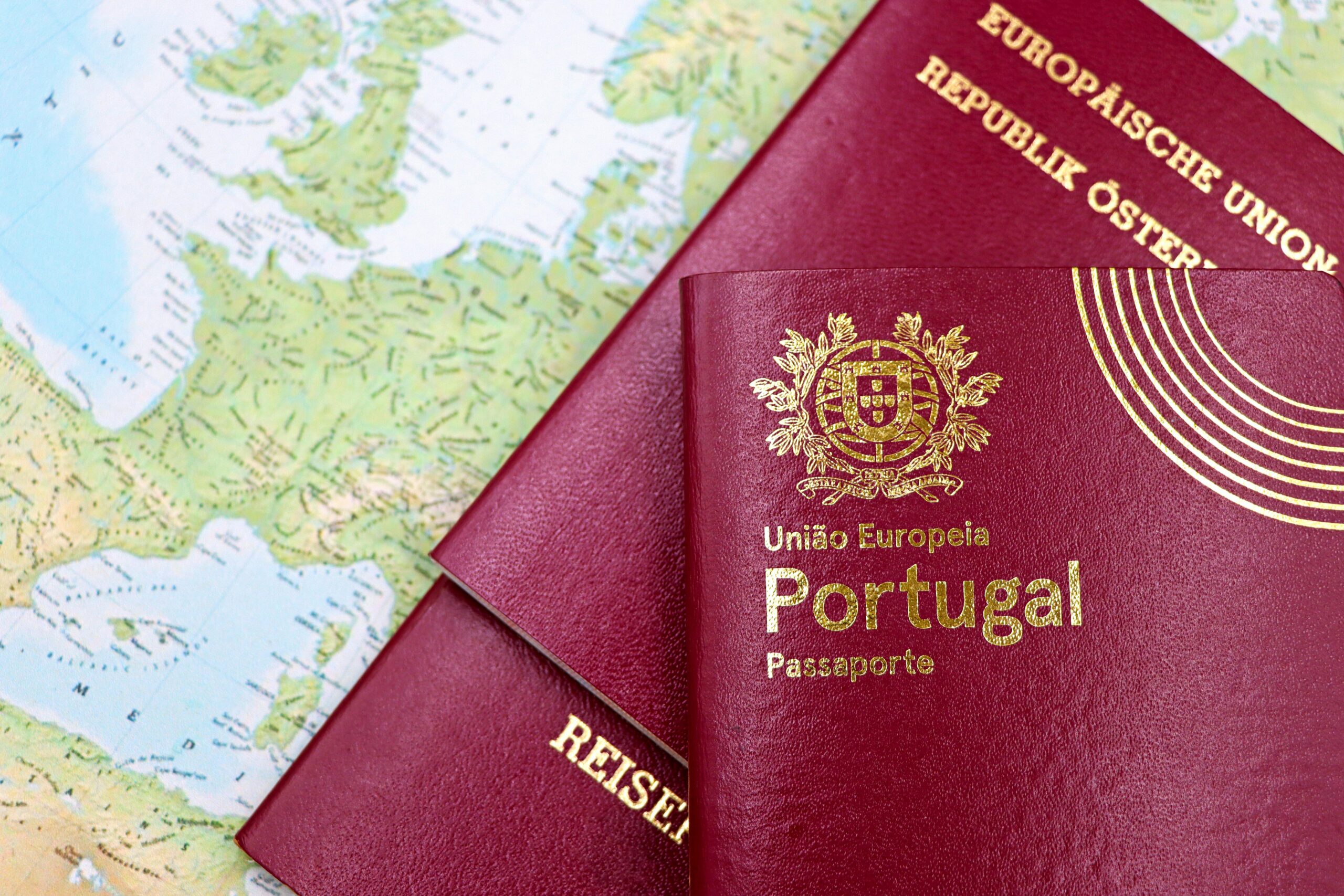
If you have a biometric passport (the small gold camera symbol on the cover), you’ll be eligible to use automated kiosks. Use them whenever they’re available. Why? Because manual processing, especially for first-time registration, can take up to four times longer.
4. Build in Buffer Time
Tight connections are risky right now. If your itinerary includes multiple flights within Europe, consider leaving more time between them. A rushed connection can quickly become a missed one under the current conditions.
5. Know This One Important Rule
Here’s something most travelers don’t realize: If you miss your flight due to immigration delays, the airline is not required to compensate or rebook you. This falls outside airline responsibility. It’s considered a border control delay, not an airline issue. So, planning ahead is your best safeguard.
The Bottom Line
The EES is a long-term upgrade to Europe’s border management system. While it is expected to improve efficiency in the future, the current rollout phase is still stabilizing.
For now, the best approach is simple: allow extra time, stay informed, and plan accordingly with flexibility in mind.
Once you’ve cleared immigration, travel across Europe continues as usual.
For official updates and detailed information on the EES, you can explore more here: Entry/Exit System (EES).