Dressed in History: How Traditional Costumes Carry Culture Forward
The world, with its many nations, cultures, and traditions, remains a constant source of inspiration for travellers. Every country carries its own story, inviting us to slow down and discover its depth and richness. Even in a fast-moving, fashion-driven world where styles often feel universal, the charm and meaning of traditional clothing continue to hold a special place.
One of the most rewarding aspects of experiential travel is the way it leads you back to a place’s roots. Through daily life, rituals, and attire, cultures quietly reveal who they are and where they come from. Travel becomes a shared space where we connect, not only with people, but with their history.
Seeing travellers try on local attire is now a familiar sight, but clothing and fabric go far beyond photographs. Textiles carry stories of ancient trade, evolving craftsmanship, and time-honored weaving techniques. These threads of history remind us how deeply culture is woven into what we wear, and how travel allows us to experience those stories firsthand.

There are many places where artisans continue to practise age-old art forms, preserving them with care and pride. Traditional costumes often survive through art, performance, and festivals. A beautiful example is the traje de flamenco from Andalusia. While Spain is known for its modern fashion and contemporary style, the flamenco dress—alive with bold colours, ruffles, and movement, has become one of its most recognisable cultural symbols. Originating in Andalusia and rising to prominence in the early 20th century, this attire gives flamenco its unmistakable visual identity and keeps regional heritage vividly alive.
Similarly, in Japan, traditional clothing is kept alive through carefully preserved showcases of art and culture that visitors are invited to experience. In places like the teahouses of Gion in Kyoto, the presence of a Geisha or Maiko instantly transforms the space. Their kimono, with its refined colours, seasonal patterns, and precise layering, does more than catch the eye; it sets the mood and gives meaning to the moment. In a world where fashion often looks the same everywhere, this becomes a quiet reminder of how traditions can remain distinct, and how clothing continues to hold the power to preserve identity in a modern, globalised world.


Festivals bring traditional costumes to life in their most extravagant and expressive forms. During the Venice Carnival, elaborate gowns, flowing ball dresses, and iconic masks are inseparable from history. Originating in the Middle Ages and flourishing during the Renaissance, these costumes were worn at masquerade balls to blur social boundaries, allowing nobles and commoners to mingle anonymously. Luxurious fabrics like silk, velvet, and brocade, paired with intricate lace and embroidery, reflected Venice’s wealth as a powerful trading republic. Masks were more than decoration—they symbolised freedom, secrecy, and temporary equality.
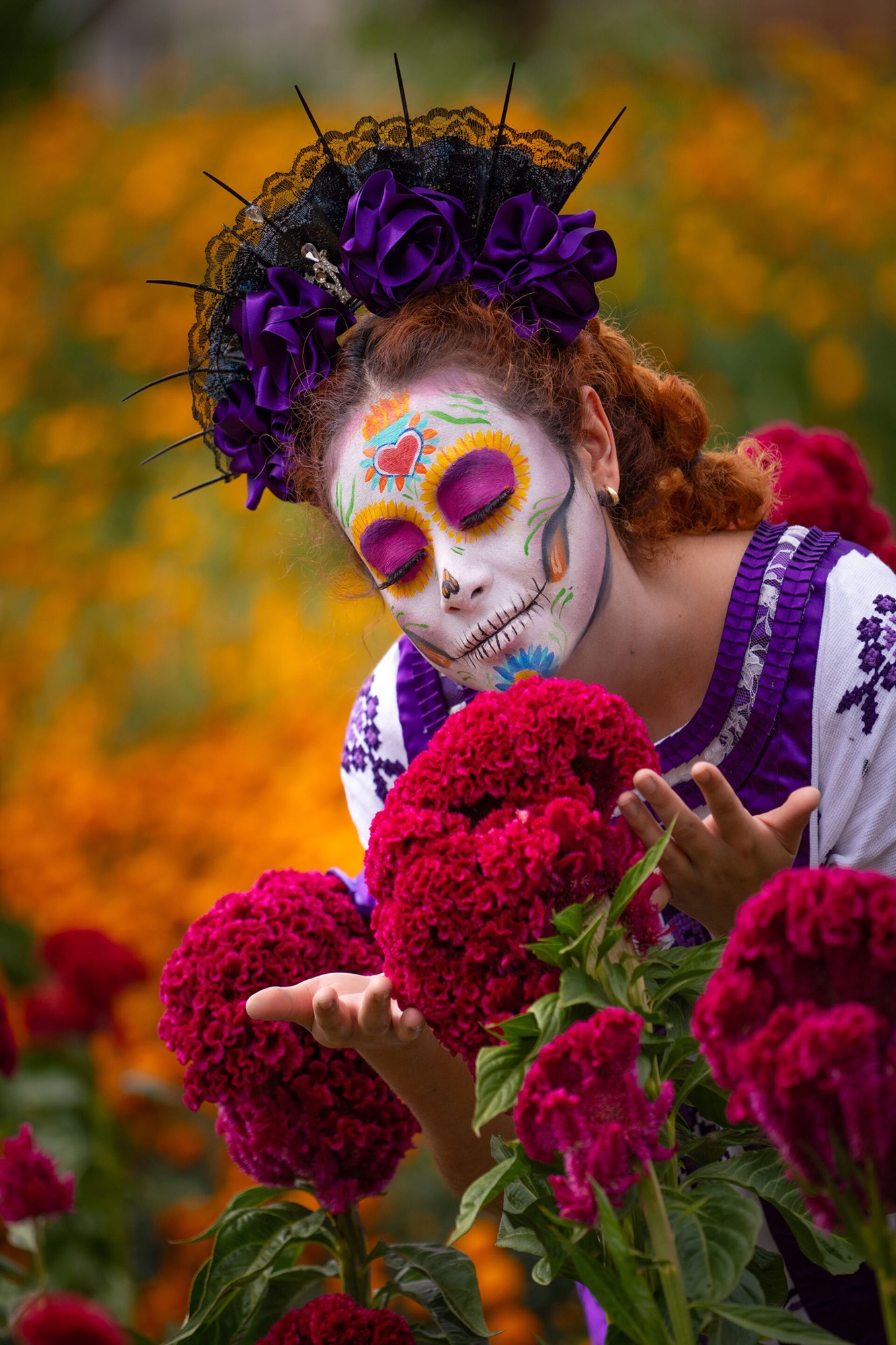
On the other hand, Day of the Dead in Mexico offers a very different yet equally powerful expression of tradition. Through symbolic costumes, skeletal imagery, and ceremonial dress, the past is brought vividly into the present as ancestors are honoured and celebrated. In moments like these, festivals revive cultural memory, showing how clothing becomes a powerful expression of identity and a living way to keep tradition alive.

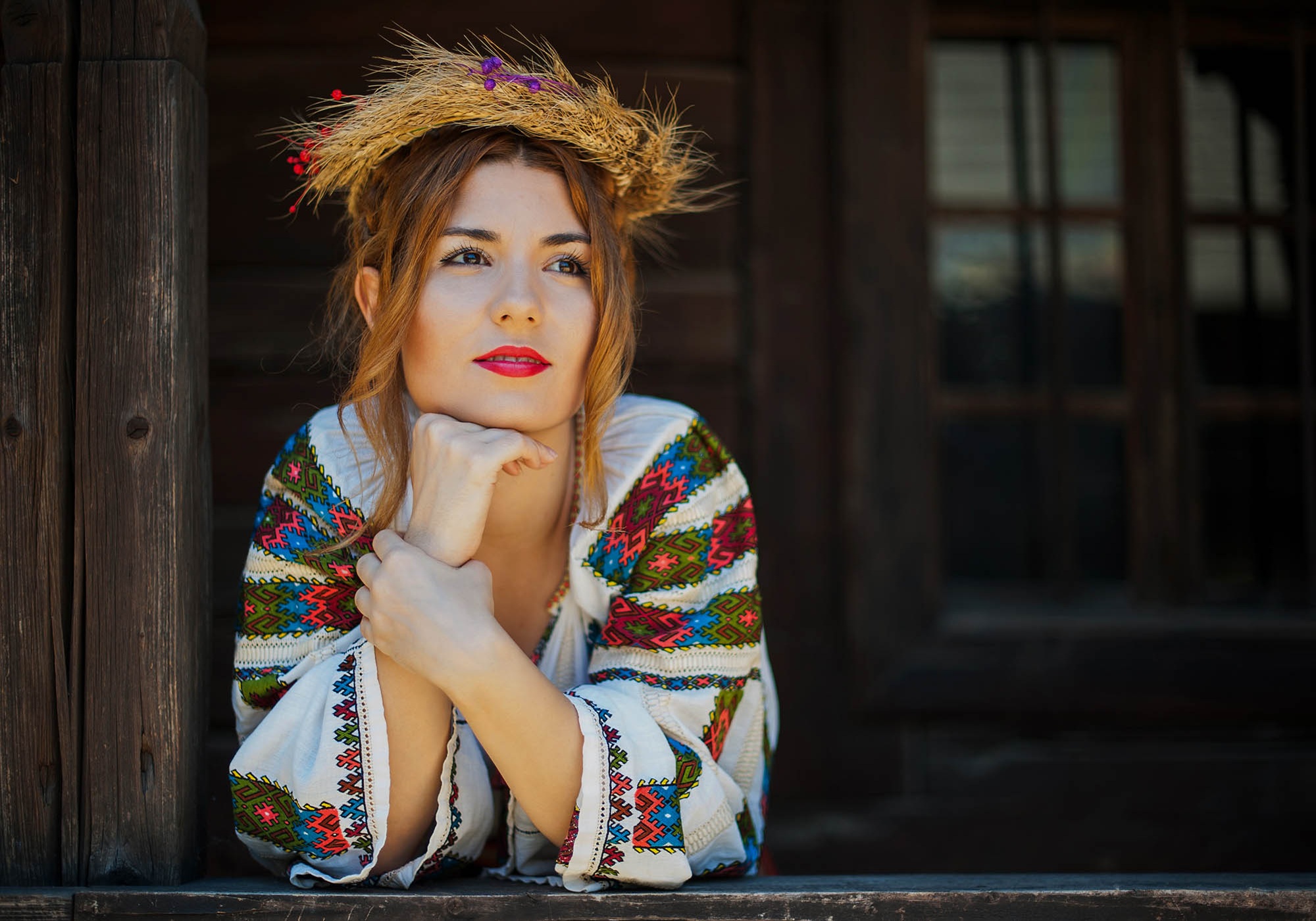
When you visit Romania, you may meet elderly women in quiet villages who still wear traditional folk dresses and headscarves in their daily lives. In places like Maramureș, hand-woven garments, embroidered blouses, and layered skirts feel like stepping back in time. Clothing here has long been a reflection of identity, faith, and belonging. History is lived and worn here. During village festivals or church days, the sight is deeply moving. Entire communities come together in beautifully preserved traditional attire, worn with pride. The embroidery draws from nature—flowers, fields, trees, and landscapes, turning each garment into a quiet celebration of Romania’s land and heritage.
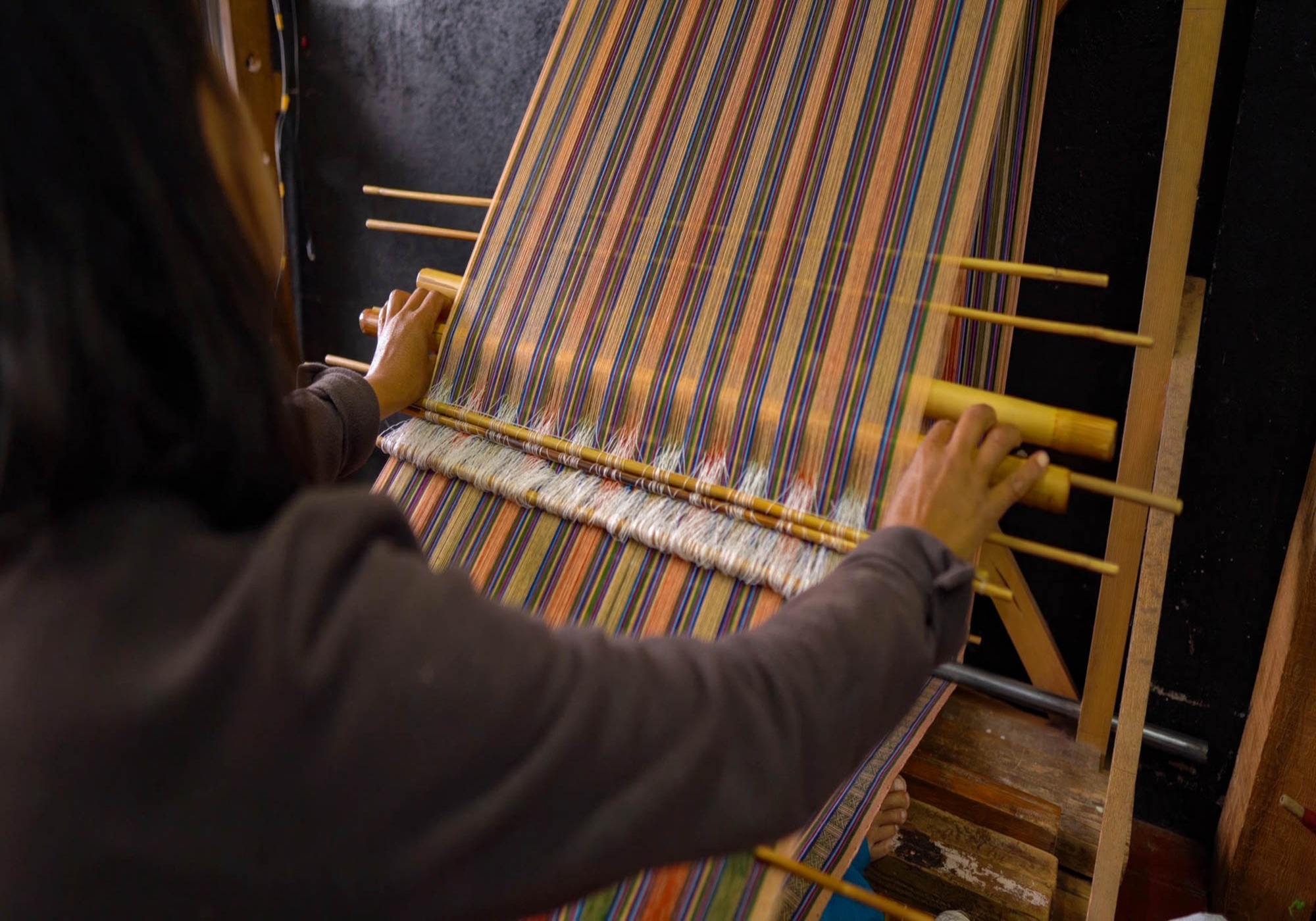
Similarly, Bhutan is a nation where traditional attire is not only respected but truly lived every day. The Gho, a knee-length robe worn by men, and the Kira, an elegant, ankle-length woven dress worn by women, are seen everywhere. They are worn daily by government officials, teachers, students, guides, drivers, and anyone representing the country in a formal or public role, mandated by law and embraced with deep cultural pride. Each garment is defined by intricate patterns, careful pleats, and layered silhouettes, often handwoven by artisans who spend days, sometimes weeks, completing a single piece on traditional looms. In Bhutan, clothing is a visible commitment to preserving identity, heritage, and history through what people wear.

Travel through India, and you’ll quickly notice how tradition and modern life exist side by side. While many women in cities dress in contemporary styles, traditional clothing continues to hold a strong and visible presence. From fabric-filled markets in Jaipur, Rajasthan, overflowing with embroidered textiles, block prints, linens, and scarves, to the timeless Benarasi silk sarees of Varanasi and the richly woven Kanchipuram silks of South India, the range spans from everyday wear to treasured heirlooms, affordable to high-end, each telling its own story.
In tribal settlements and among nomadic communities of Gujarat, women are often seen in traditional ghagra choli, rustic yet strikingly intricate. The bold colours, mirror work, and hand embroidery reflect generations of craftsmanship and artistic expression. In India, fabric carries history, identity, and the quiet brilliance of the artisans who create it.
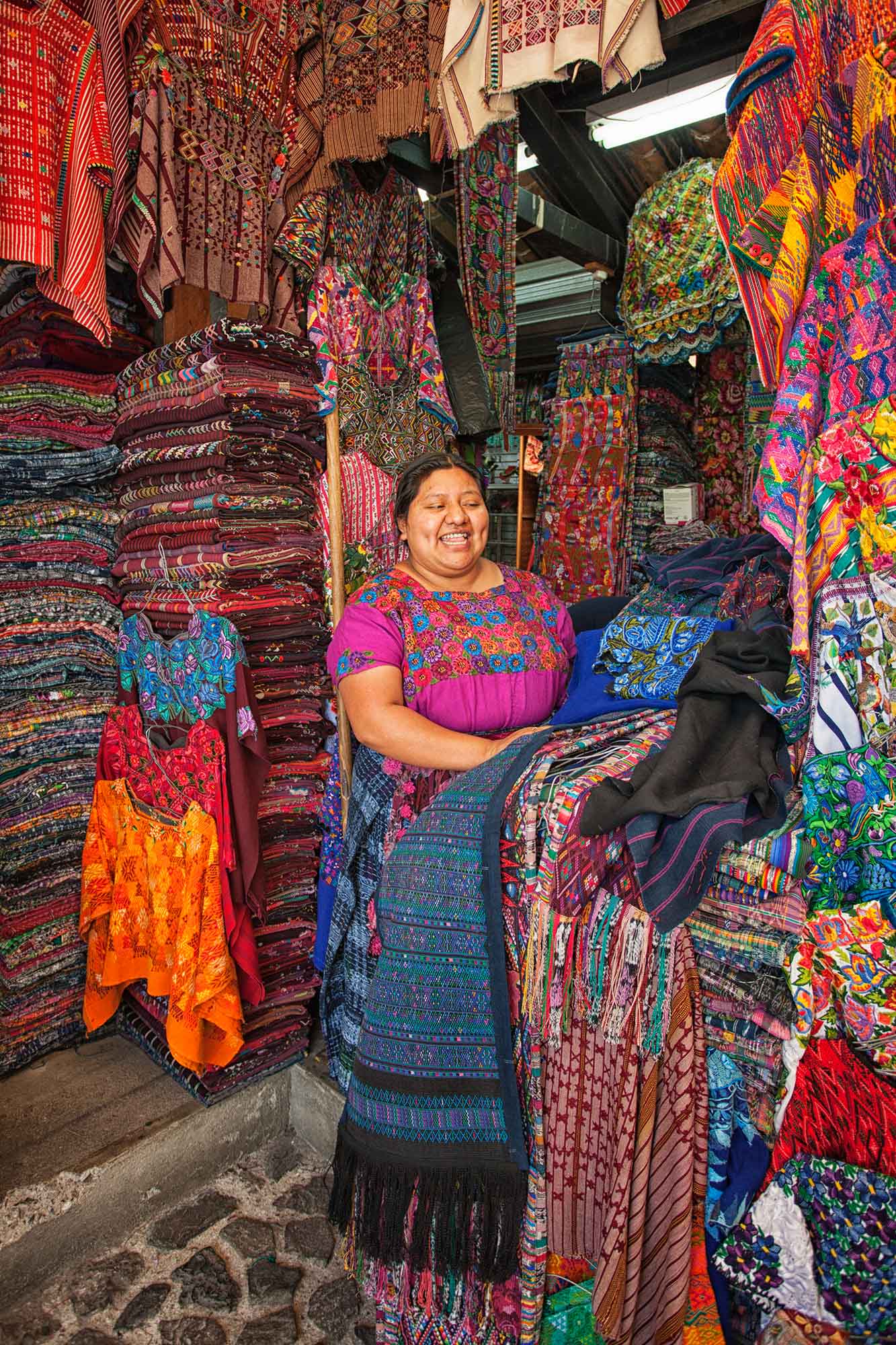
As you move through Guatemala, it becomes clear that art here isn’t confined to galleries, it lives in everyday life. In villages and markets, you see it woven into textiles and worn with quiet pride by local women. Elderly women sit patiently at backstrap looms, weaving as they have for generations, while others carry their fabrics through village paths as part of daily routine. They wear the huipil, a handwoven traditional blouse, paired with richly patterned skirts known as cortes. Every colour, motif, and thread carries meaning tied to place, ancestry, and belief. In Guatemala, clothing becomes a living expression of history, one that moves, works, and breathes alongside the people who wear it.

Across the world, clothing plays a quiet yet powerful role in keeping traditions alive. In some places, it is worn every day as a natural part of life; in others, it comes alive during festivals and ceremonies; and sometimes, it travels home with us as a cherished souvenir. In every form, traditional attire becomes a vessel for survival of skills, stories, and cultural identity.
Each garment, fabric, and pattern is unique, shaped by landscape, history, and generations of artisans. Culture is woven into these textiles; into the colours, the motifs, and the intricate designs that carry legacy forward. To witness and value this is to understand that clothing is never just what we wear; it is who we are, and how we remember where we come from.
At Photo Workshop Adventures, these are the moments we seek out. Through thoughtfully designed journeys into places like Bhutan, Romania, India, and beyond, we create opportunities to photograph not just beautiful attire, but the living culture behind it — the artisans, the rituals, the landscapes, and the stories that give every thread meaning. Because when you travel with intention, you don’t just capture images — you carry culture forward.